

The focus is on producing more from existing assets. Kazakhstan’s national oil and gas company KazMunayGas is discussing technologies with Saudi Arabia’s TAQA that could improve oil recovery, intensify production and help unlock hard-to-recover reserves, DKNews.kz reports.
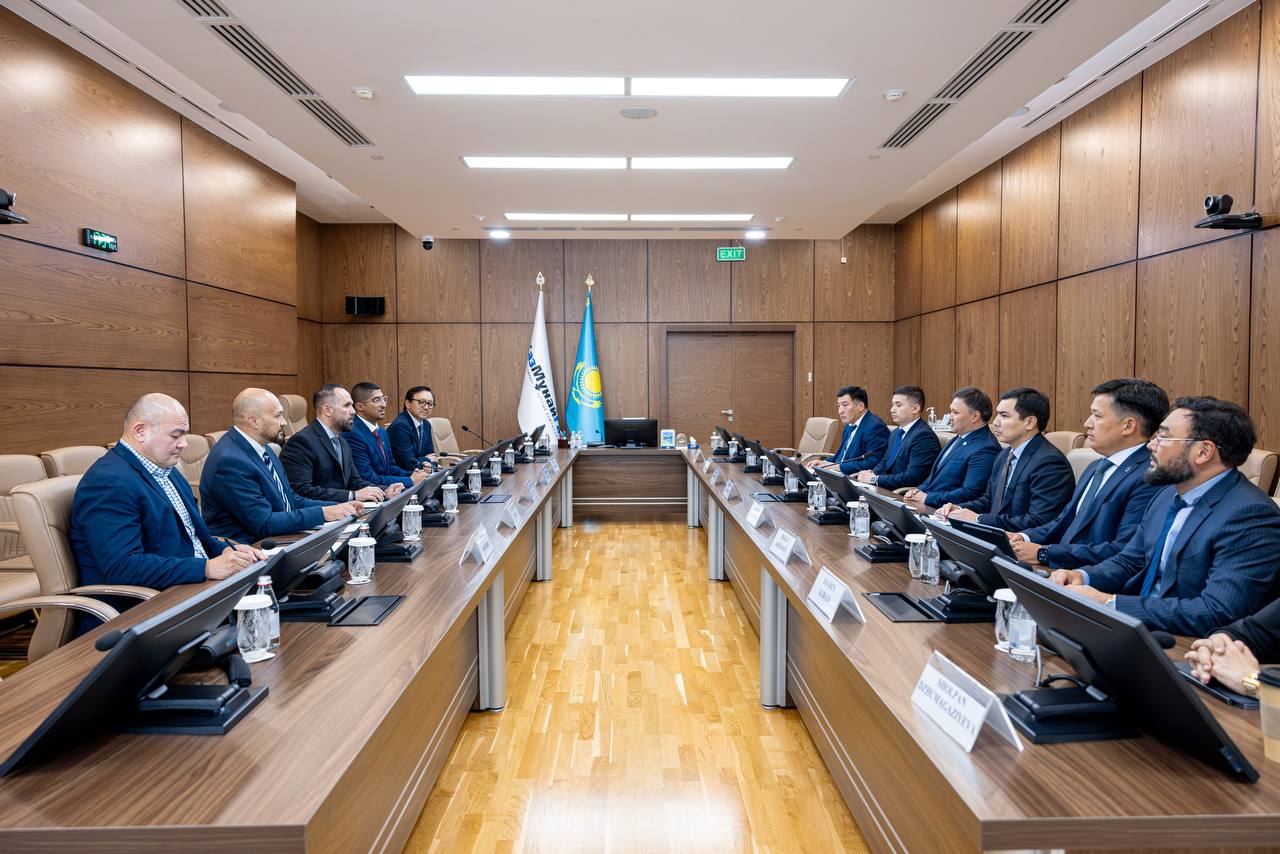
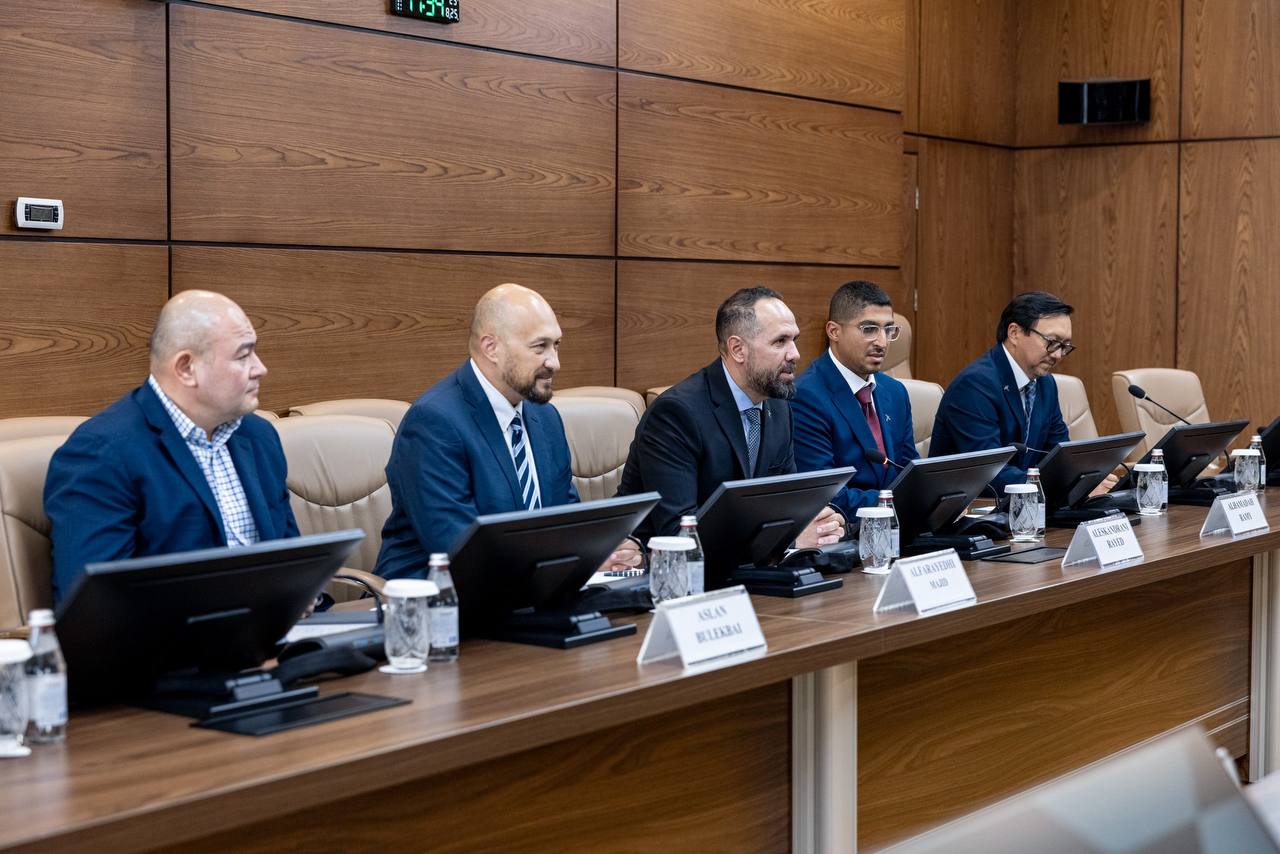
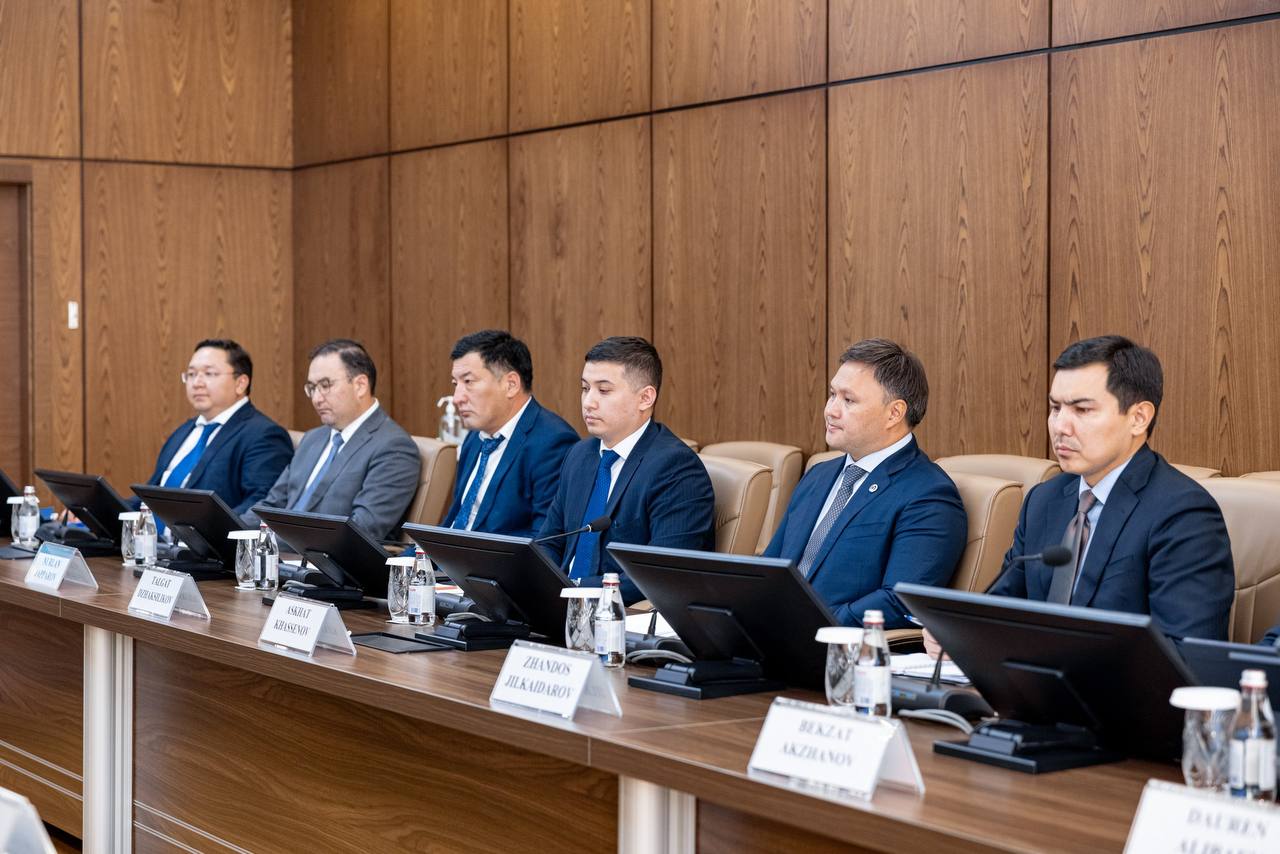
In Astana, KazMunayGas Chairman Askhat Khassenov met with Raed Al Eskandrani, Acting Chief Operating Officer of TAQA. His position is listed as Acting Chief Operating Officer on TAQA’s official website.
KMG announced the meeting on August 27. The companies have not disclosed any signed contract, investment amount or specific new project at this stage. According to KazMunayGas’ official statement, the discussions covered geological exploration, oilfield services and the deployment of advanced technologies.
KMG is looking for solutions for fields that have been producing for years
One of the central topics was mature oilfields.
KMG and TAQA discussed ways to improve development efficiency and increase oil recovery from these assets. They also considered production stimulation, higher well productivity at carbonate and gas fields, and technologies for extracting hard-to-recover reserves.
The practical challenge is straightforward. As an oilfield ages, maintaining production with conventional methods becomes increasingly difficult.
Declining well rates, rising water cuts and more complex remaining reserves can require additional technologies targeting both the reservoir and individual wells.
For Kazakhstan, this issue extends far beyond a single corporate meeting.
A one-point increase in oil recovery could mean 33 million tonnes
The KMG-TAQA talks come as Kazakhstan is placing greater emphasis on extracting more from fields already in production.
A national forum on enhanced oil recovery is being held in Astana from August 26 to 28 under the auspices of Kazakhstan’s Ministry of Energy.
According to the Ministry of Energy, a significant share of Kazakhstan’s fields has already reached a mature stage of development. The ministry estimates that increasing the country’s oil recovery factor by just one percentage point could potentially add around 33 million tonnes of recoverable oil.
That figure helps explain why the KMG-TAQA talks were not limited to the search for new deposits.
Kazakhstan’s oil industry is effectively pursuing two objectives at once: discovering new resources and extracting more from fields that have already been producing for decades.
Technologies are being screened for 11 oilfields
The Ministry of Energy is also trying to move enhanced oil recovery from discussion into field-level application.
As part of the industry forum, specialists are conducting rapid technology screening across 11 oilfields. Priority solutions are expected to undergo further assessment and potentially move into pilot testing between 2027 and 2030.
The technologies under consideration include gas, chemical, thermal and combined recovery methods, polymer flooding, digital modelling and solutions for hard-to-recover reserves.
This gives international oilfield service expertise a particularly practical role.
The key question is no longer simply which equipment Kazakhstan can import. It is which technologies can actually work under the geological conditions of specific Kazakh fields.
TAQA operates in 20 countries and manufactures oilfield equipment
Saudi Arabia’s Industrialization & Energy Services Company (TAQA) was established in 2003 and is headquartered in Dhahran. Some of its underlying businesses trace their history back to the 1960s.
TAQA provides a broad range of oilfield services and manufactures equipment and chemicals used in well drilling and development.
According to KMG, the company employs more than 5,500 people and operates across 20 countries in the Middle East, Africa and Asia.
Raed Al Eskandrani has more than two decades of experience in oilfield services and energy. According to his official TAQA profile, he previously led several business areas within the group, including well services and well construction and evaluation, and earlier worked for Baker Hughes and Schlumberger.
That background closely matches the areas raised by KMG: drilling, well productivity and the more efficient development of technically challenging assets.
KMG wants localization, not just imported technology
Another part of the meeting may prove just as significant as oil recovery itself.
KMG identified localization of production and the development of domestic oilfield service capabilities as priority areas.
That suggests potential cooperation is being considered more broadly than the traditional model in which a foreign contractor brings in technology, performs the work and leaves.
The national company is also interested in projects that could develop part of the manufacturing, service chain or technical expertise inside Kazakhstan.
This is consistent with the wider direction of the country’s oil and gas policy.
The enhanced oil recovery forum programme includes localization of oilfield equipment and chemical reagents alongside recovery technologies and digitalization.
Kazakhstan has also been pursuing other localization agreements. On August 27, a memorandum was signed with SNF SA concerning the localization of polymer products and equipment for the oil and gas sector.
No new project has been announced yet
The outcome of the KMG-TAQA meeting should not be overstated.
The companies have not announced a joint venture, a new field-development project or a specific technology contract.
For now, the official language refers to cooperation potential and the parties’ readiness to develop ties in key areas.
The significance of the meeting therefore lies not in an investment figure or a new asset on Kazakhstan’s map, but in the list of technical problems the two companies may work on together.
Those problems sit at the centre of Kazakhstan’s current oil agenda: mature fields, hard-to-recover reserves, well productivity and localization of oilfield services.
We recently reported on how Kazakhstan began selecting enhanced oil recovery technologies for 11 oilfields. Saudi Arabia’s TAQA has now emerged as another potential international partner in that effort, although the companies have yet to identify which technologies could move from discussion to implementation.