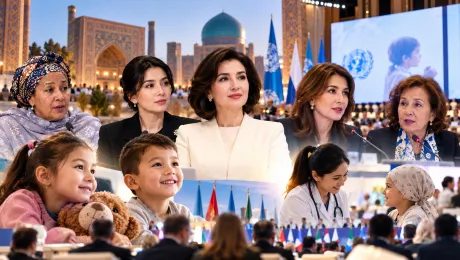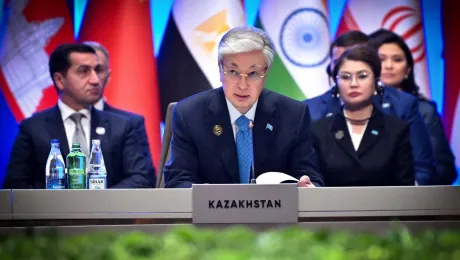

Kazakhstan has joined an international effort to improve childhood cancer care. Healthcare leaders and medical experts from six countries are participating in the Second International Congress on Childhood Cancer in Samarkand, Uzbekistan, held under the theme "From Recovery to Wellbeing" as part of the World Summit on Investing in Children's Wellbeing, DKNews.kz reports.
The congress brings together representatives from Uzbekistan, Azerbaijan, Kazakhstan, Kyrgyzstan, Tajikistan and Russia, alongside international medical organizations, research institutions and civil society.
The central focus extends beyond treating cancer. Participants are examining how children can receive comprehensive support throughout treatment, recovery and their return to everyday life.
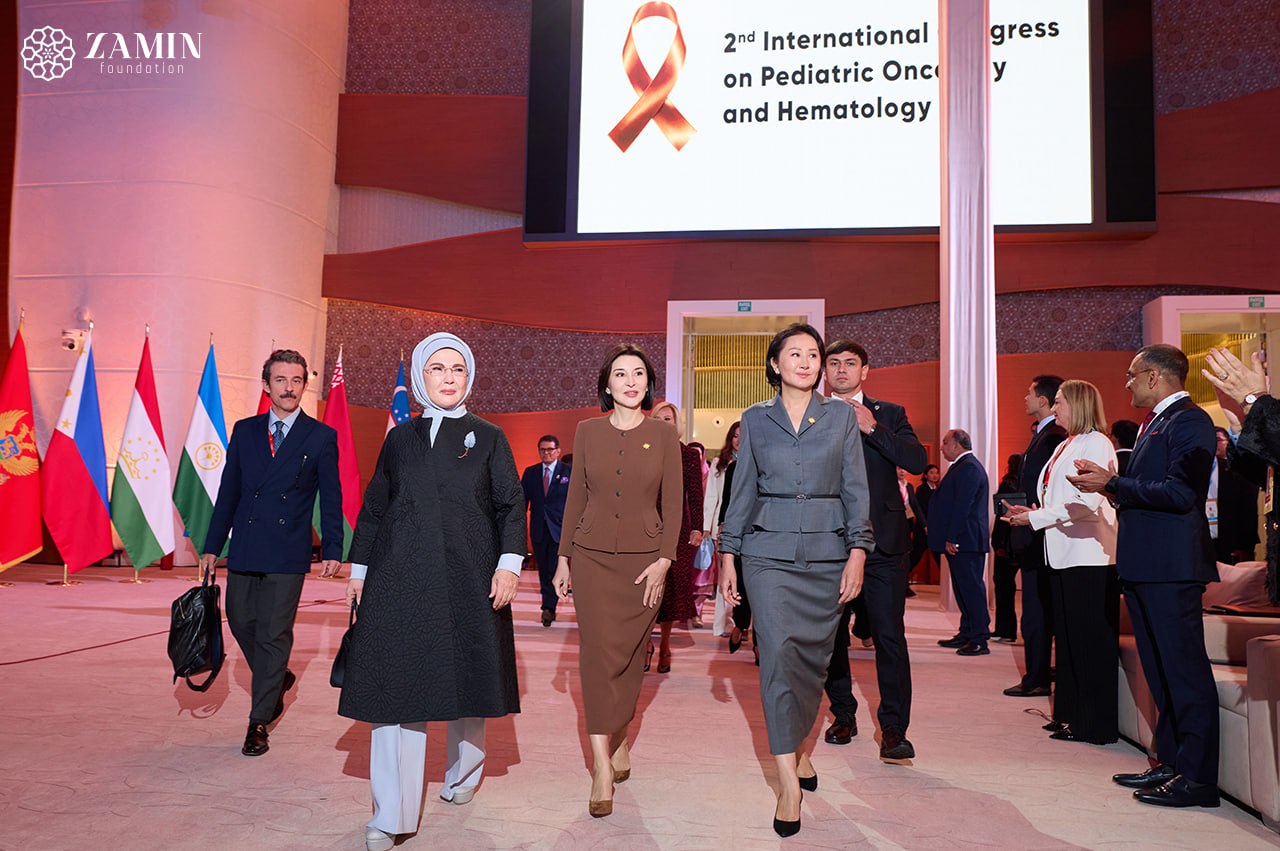
Six countries unite to improve childhood cancer care
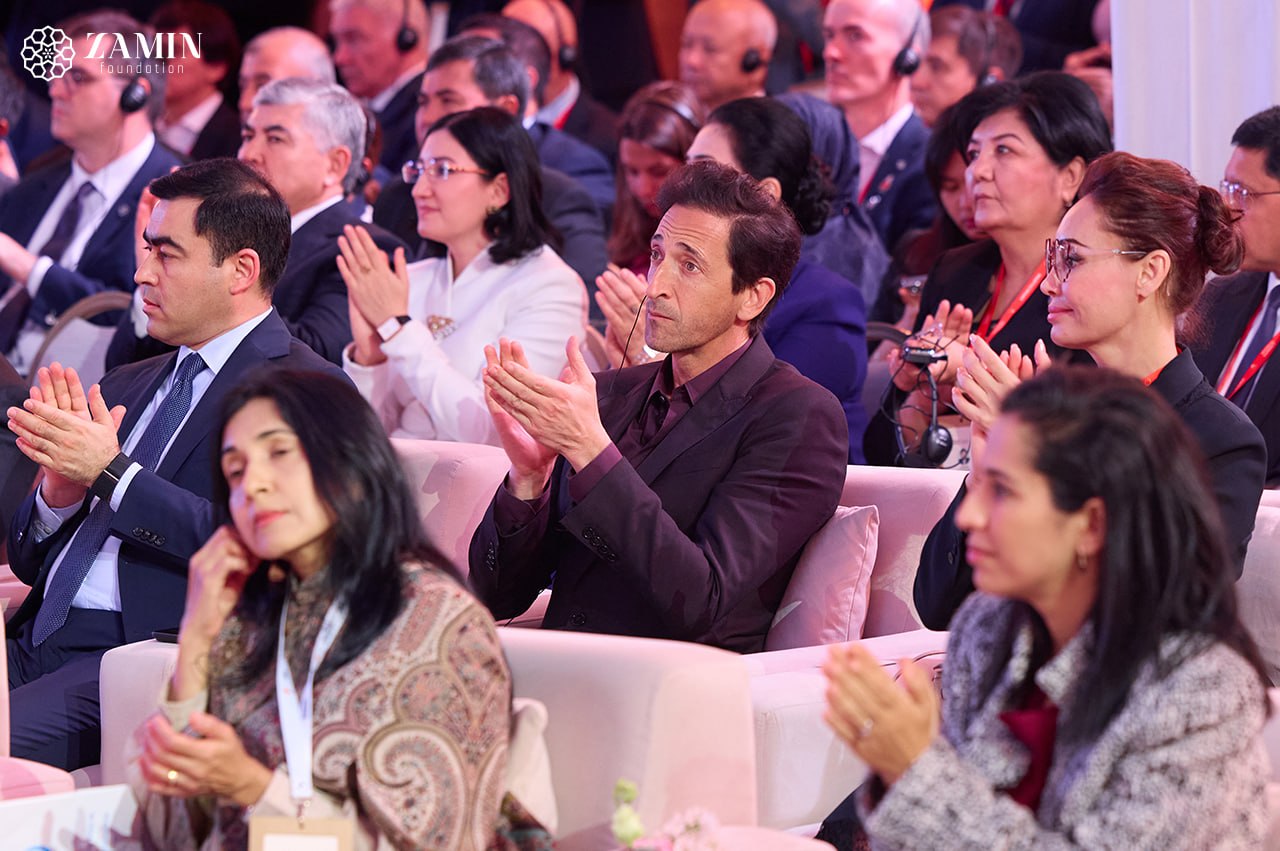
The international congress has brought together healthcare leaders, pediatric oncology specialists, researchers and representatives of major medical institutions.
Participants include representatives of the World Health Organization, the International Society of Paediatric Oncology, the European School of Oncology, international university hospitals and leading medical centres.
The involvement of medical professionals and policymakers creates opportunities to discuss both clinical challenges and the organization of healthcare services.
For Central Asian countries, regional cooperation is particularly relevant because childhood cancer treatment often requires specialized equipment, experienced medical teams and access to complex diagnostic procedures.
International partnerships can support the exchange of medical knowledge and help specialists develop coordinated approaches to diagnosis, treatment and rehabilitation.
Ziroat Mirziyoyeva calls for urgent international action
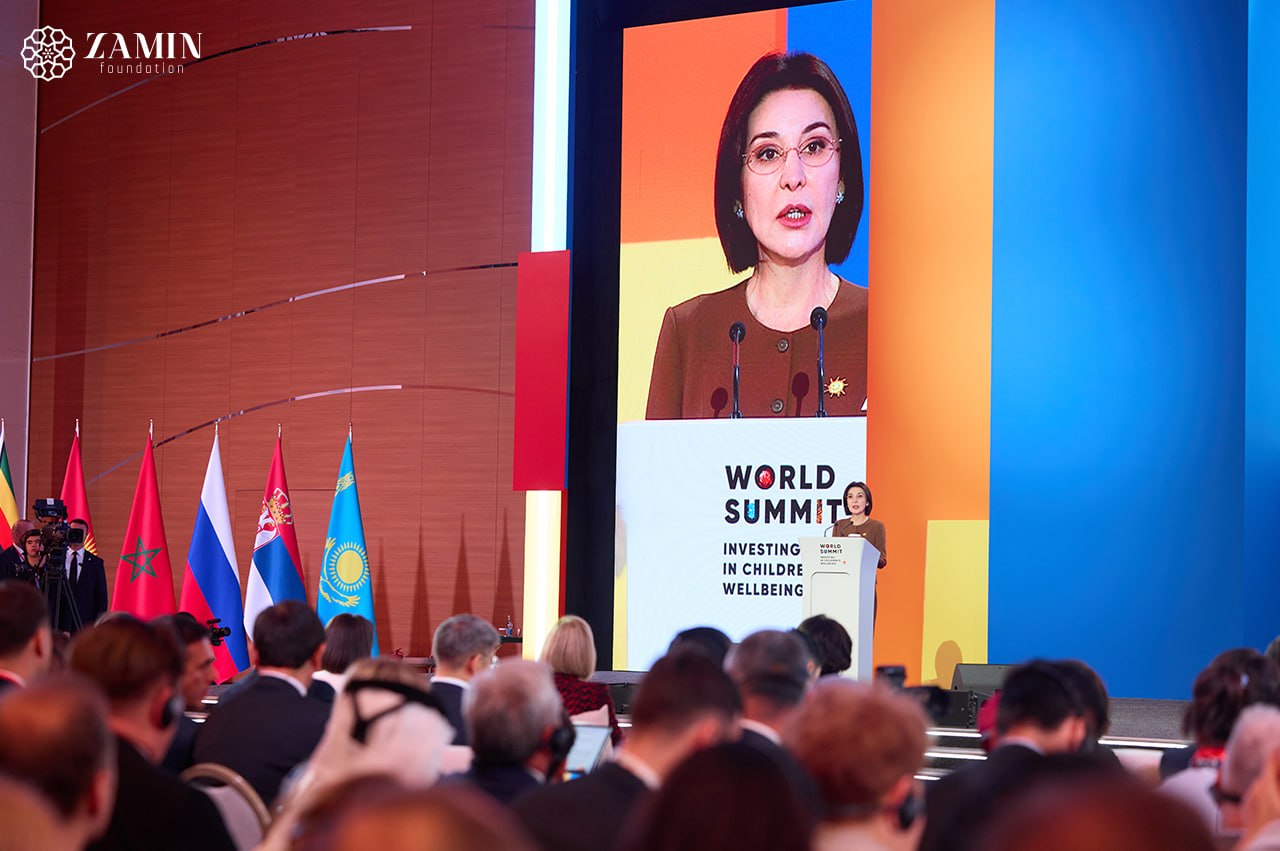
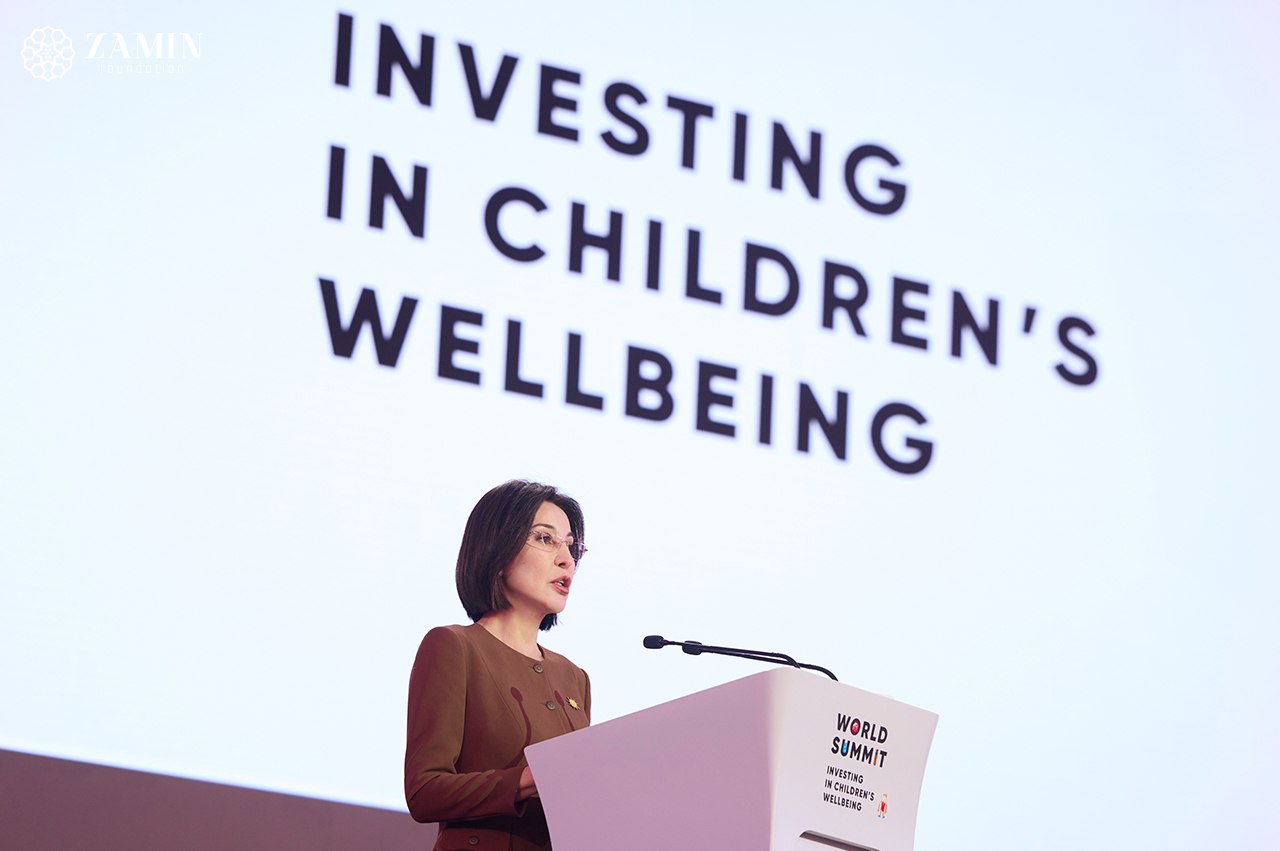
Addressing congress participants, Uzbekistan's First Lady Ziroat Mirziyoyeva urged governments, scientists, humanitarian organizations and the international community to unite around concrete and urgent action.
Her message emphasized that serious illness does not distinguish between countries, nationalities or income levels.
The appeal highlighted the need to ensure that children and their families are not left to face cancer alone.
For families dealing with a childhood cancer diagnosis, access to treatment is only one part of the challenge. Long hospital stays, emotional stress, interrupted education and the financial burden of caring for a sick child can affect the entire household.
Mirziyoyeva's remarks placed these human consequences at the centre of the international discussion.
Why recovery is only the beginning
The congress theme, "From Recovery to Wellbeing", reflects an important principle in pediatric oncology: successful treatment should be followed by support that allows children to resume their lives as fully as possible.
Medical recovery may involve rehabilitation, psychological assistance, continued education and long-term monitoring of a child's health.
Children who undergo prolonged treatment can face difficulties returning to school, rebuilding social connections and adapting to everyday activities.
Families may also require assistance in managing the emotional and practical consequences of illness.
The broader approach discussed at the congress therefore connects medical care with social, educational and psychological support.
Mehrli Maktab students share their experiences
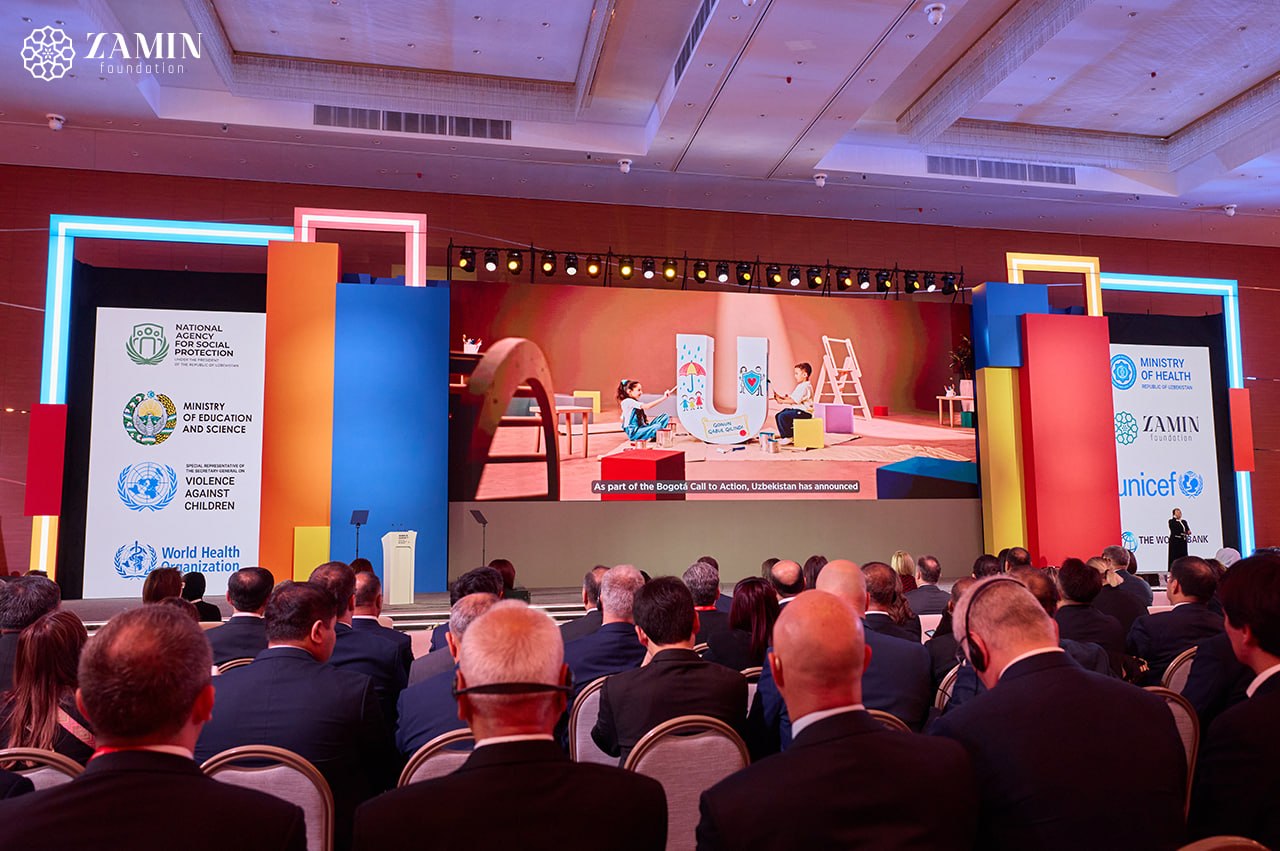
One of the most moving moments of the congress came from students of Mehrli Maktab, an educational initiative supporting children undergoing prolonged medical treatment.
The children presented personal stories that reflected not only their own experiences but also the hopes of young patients around the world.
Their performance invited participants to consider the results of cancer treatment from the perspective of a child rather than solely through medical statistics.
Behind every diagnosis and treatment outcome is a young person with ambitions, relationships and a desire to continue learning and participating in everyday life.
The students' stories highlighted the determination of children facing serious illness and the importance of supporting their emotional wellbeing throughout treatment.
Education remains essential during cancer treatment
Long-term medical treatment can interrupt a child's education for months or longer.
Hospital-based educational programmes such as Mehrli Maktab aim to reduce this disruption by allowing children to continue learning while receiving medical care.
Such programmes can also help children maintain a connection with school life and prepare for returning to regular classes after treatment.
Education during illness is not simply about academic progress. It can provide structure, social interaction and a sense of continuity during an otherwise uncertain period.
For parents, access to coordinated educational and medical support can reduce the difficulty of balancing treatment schedules with a child's developmental needs.
What international cooperation could mean for Kazakhstan
Kazakhstan's participation places the country within a wider regional discussion on improving pediatric oncology services.
Cooperation between national healthcare systems could support several important areas:
- Early diagnosis: sharing expertise to improve the timely detection of childhood cancers.
- Specialist training: strengthening professional exchanges between pediatric oncologists and medical institutions.
- Advanced treatment: exchanging knowledge about modern therapies and specialized medical procedures.
- Rehabilitation: supporting children during recovery and their return to education and social life.
- Family assistance: improving psychological and social support for parents and caregivers.
These are potential areas for cooperation rather than newly announced binding commitments. The congress announcement does not specify additional funding, joint treatment programmes or implementation deadlines.
Childhood cancer care becomes part of a wider global agenda
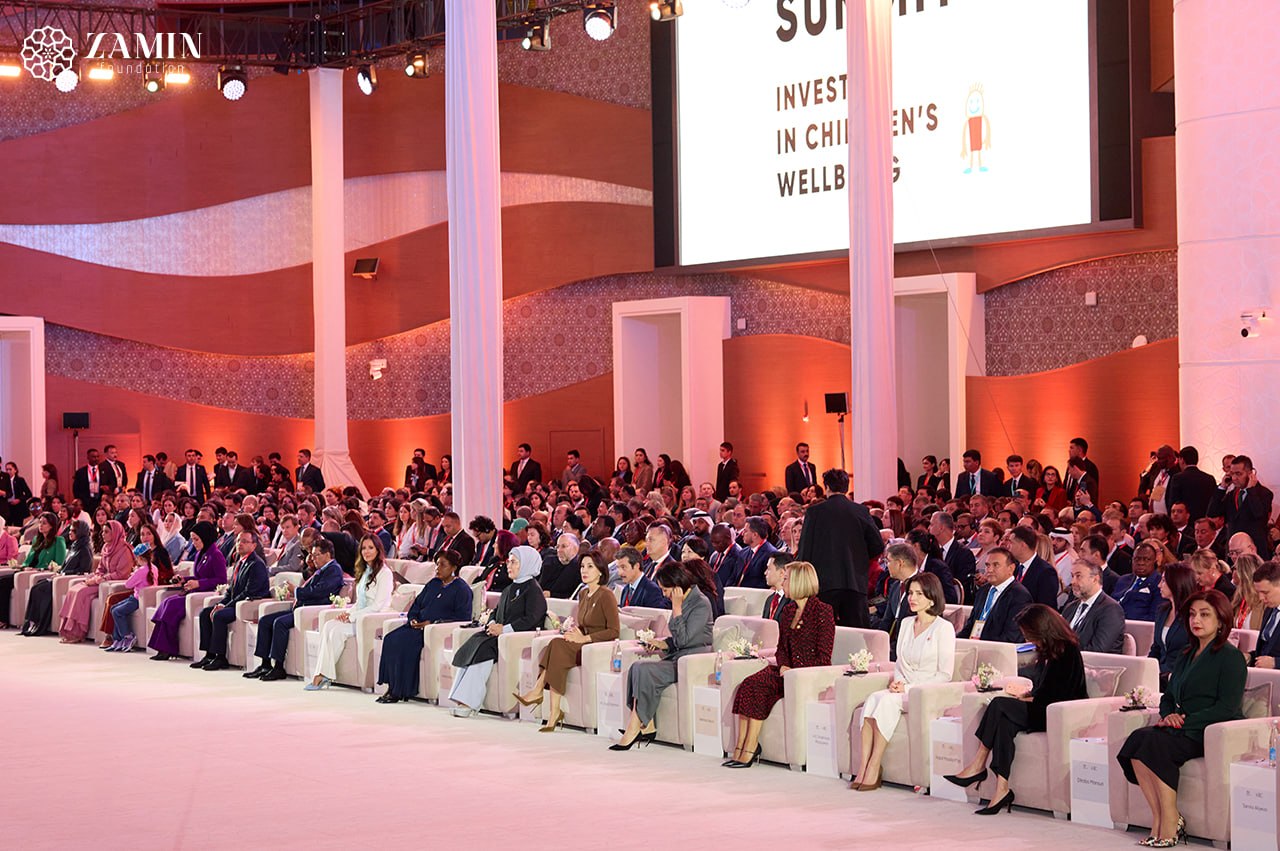
The congress is taking place alongside the World Summit on Investing in Children's Wellbeing in Samarkand.
Bringing the two events together reflects the connection between healthcare, education, social protection and children's rights.
Improving cancer treatment requires medical expertise, but supporting children throughout illness also depends on accessible public services and cooperation between institutions.
The discussions in Samarkand underline the importance of considering a child's entire experience, from diagnosis and treatment to rehabilitation, education and family life.
The broader objective is to ensure that children who survive serious illnesses have opportunities to continue their education, develop their abilities and participate fully in society.
Earlier, we reported on Kazakhstan's progress in childhood cancer treatment. Health Minister Akmaral Alnazarova announced at the Samarkand congress that five-year survival among children with blood cancers had exceeded 70%, while survival for acute lymphoblastic leukaemia had reached 85%. Kazakhstan has also performed more than 630 stem cell transplants since 2013, highlighting the country's growing capacity to provide specialized pediatric care.