

Active diplomacy by President Kassym-Jomart Tokayev, Kazakhstan’s multi-vector foreign policy and the intensity of high-level contacts have significantly increased global interest in the country. This opinion was shared by Azerbaijani expert and Chairman of the Baku Political Scientists Club, Zaur Mamedov. In his interview summing up the results of 2025 for Kazakhstan, he explained why interest in the country is growing and what role Astana plays in international processes.
– One of the main political developments in Kazakhstan in 2025 was the initiative to reform Parliament. In your view, what goals does President Tokayev pursue, and how may this reform affect the political system?
– I believe the parliamentary reform proposed by Kassym-Jomart Tokayev is timely. Times change, circumstances change. In the early 1990s, during independence, Kazakhstan needed a political model where a bicameral parliament was optimal. Today, however, the country faces different challenges and a new governance reality. For effective management and rapid decision-making, a unicameral parliament today appears both timely and important.
If we look globally, bicameral systems are more typical for federations, while unitary states usually prefer unicameral legislatures.
 Akorda
Moreover, in a presidential system where key issues must be resolved quickly, parliament must be capable of reacting promptly and adequately. As I understand it, the reform will increase the role of parliament and expand its legislative and representative functions. This means that powers and responsibilities between the president, parliament, executive and judiciary will become clearer - an important step for governance.
– In March, the UN General Assembly approved the establishment of a Regional SDG Center for Central Asia and Afghanistan in Almaty. What does this mean for Kazakhstan and the region?
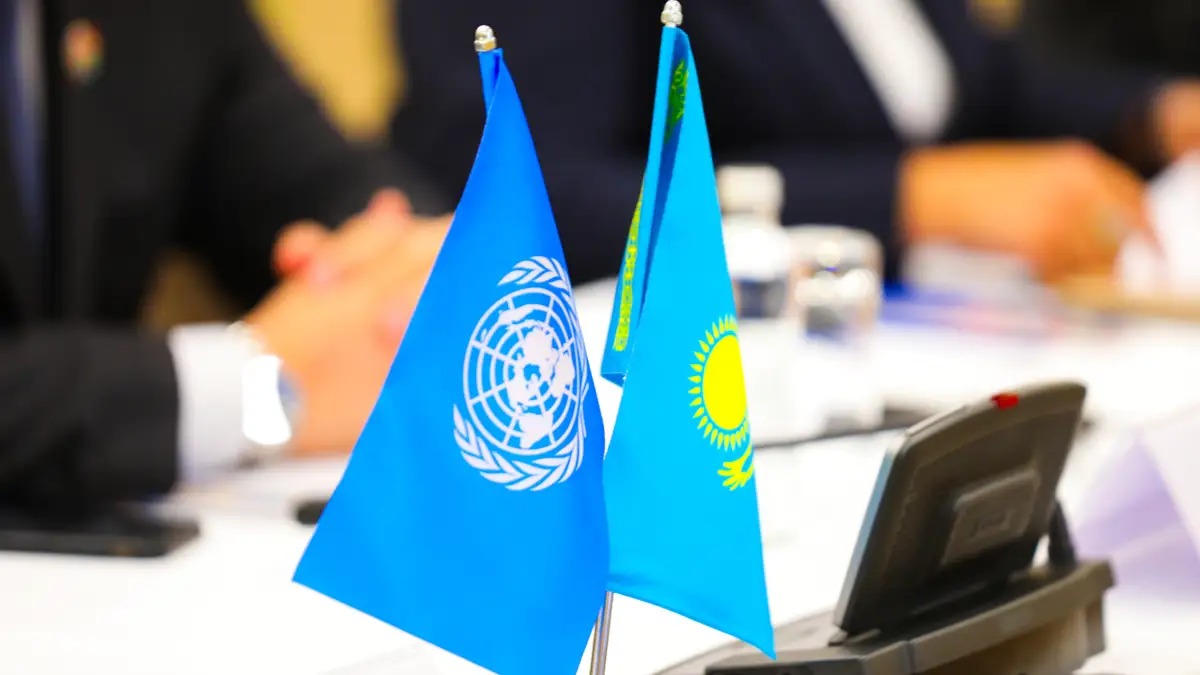
– The UN Regional SDG Center for Central Asia and Afghanistan opened in Almaty in 2025. This is a major event and clearly shows that Kazakhstan has become one of the central players in Greater Turkestan and Central Asia.
 Adlet Beremkulov/ Kazinform
Developments in Afghanistan and along Central Asia’s borders remain crucial to stability. Kazakhstan can play a key mediating role. We know that the country works with neighbors through multiple regional platforms, including the “Central Asia+” format.
In 2025, the very concept of Central Asia expanded. Previously it referred to Kazakhstan, Turkmenistan, Uzbekistan, Kyrgyzstan and Tajikistan. Today it increasingly includes Afghanistan and Azerbaijan. We see regions drawing closer and a new geo-economic axis forming across Greater Eurasia - where transport corridors, energy and green energy are becoming vital. The corridor between China and the EU is widening, and Kazakhstan will clearly play a key role.
– What defined Kazakhstan–Azerbaijan relations in 2025?
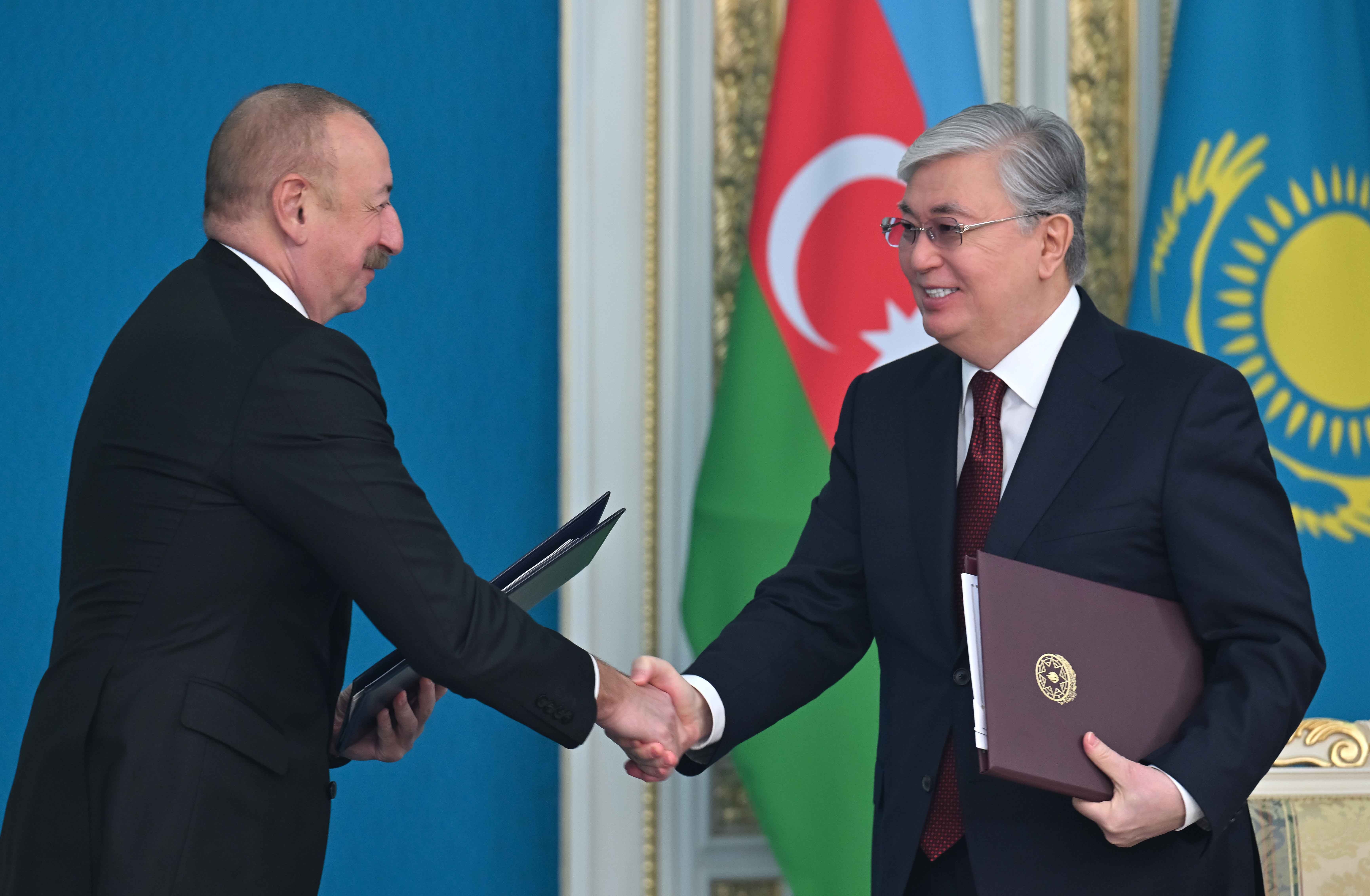
– 2025 became an important milestone. Cooperation between Astana and Baku has moved to an almost allied level. Positions on key regional and global issues were closely aligned, and high-level contacts became regular.
 Akorda
Both leaders demonstrated similar approaches to sovereignty, non-interference and regional security, reinforcing mutual trust.
Transport and logistics became a priority. Agreements on Caspian transit expanded, cooperation between the ports of Aktau and Alat intensified, and new deals were signed across rail and logistics sectors.
The Middle Corridor (Trans-Caspian route) was increasingly viewed not as an alternative, but as an independent geo-economic axis linking China, Central Asia, the Caucasus and Europe.
– President Tokayev made 23 foreign visits in 2025, while Kazakhstan hosted 30 world leaders, held 186 high-level meetings and 43 phone conversations. Deals exceeded $70 billion. Your assessment?
– The president’s diplomatic activity remains consistently high. Kazakhstan is confidently pursuing a balanced foreign policy. Tokayev himself is a professional diplomat with strong theoretical and practical experience - and the results are visible.
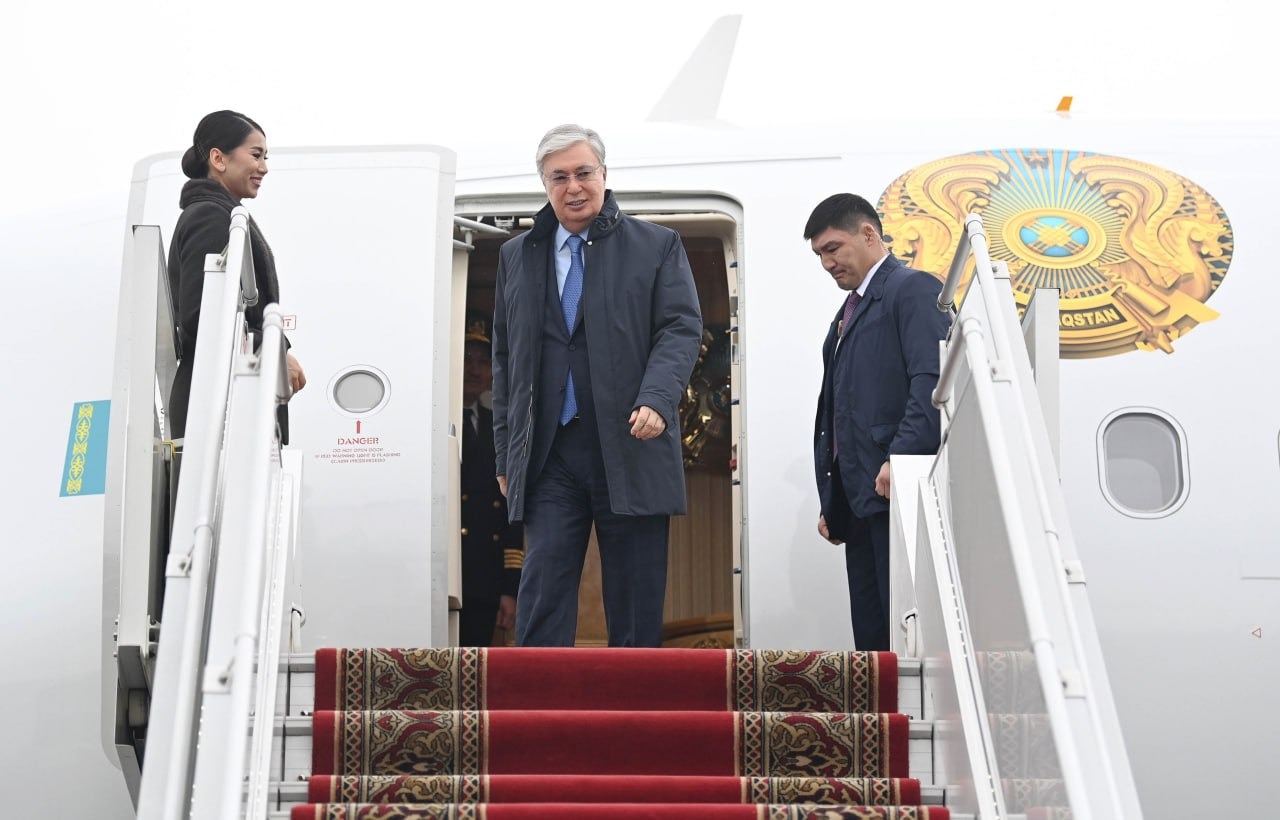 Akorda
Agreements signed with partners, including the Middle East, and visits to the US and other countries reflect both current and future projects. This proves Kazakhstan occupies an increasingly important place in the interests of global geopolitical players.
More than $70 billion in commercial agreements is a significant achievement under today’s economic conditions - and crucial for stability and public welfare.