

Central Asia today is experiencing a moment of strategic rethinking of its role in the world - moving from a mere transit space to a full-fledged center of growth, cooperation and dialogue of civilizations. In this transformation, the “China – Central Asia” format occupies a special place. In a short period of time, it has evolved from a diplomatic initiative into a sustainable architecture of political trust, economic mutual benefit and humanitarian rapprochement.
How the new “Spirit of China – Central Asia” is taking shape, what tangible results it has already delivered, and why this partnership is becoming a pillar of stability and development for the entire Eurasian space - Extraordinary and Plenipotentiary Ambassador of the People’s Republic of China to the Republic of Kazakhstan Han Chunlin explains in an exclusive article for DKNews.kz.
“The Spirit of China – Central Asia” Opens a New Chapter of Mutual Benefit and Shared Development
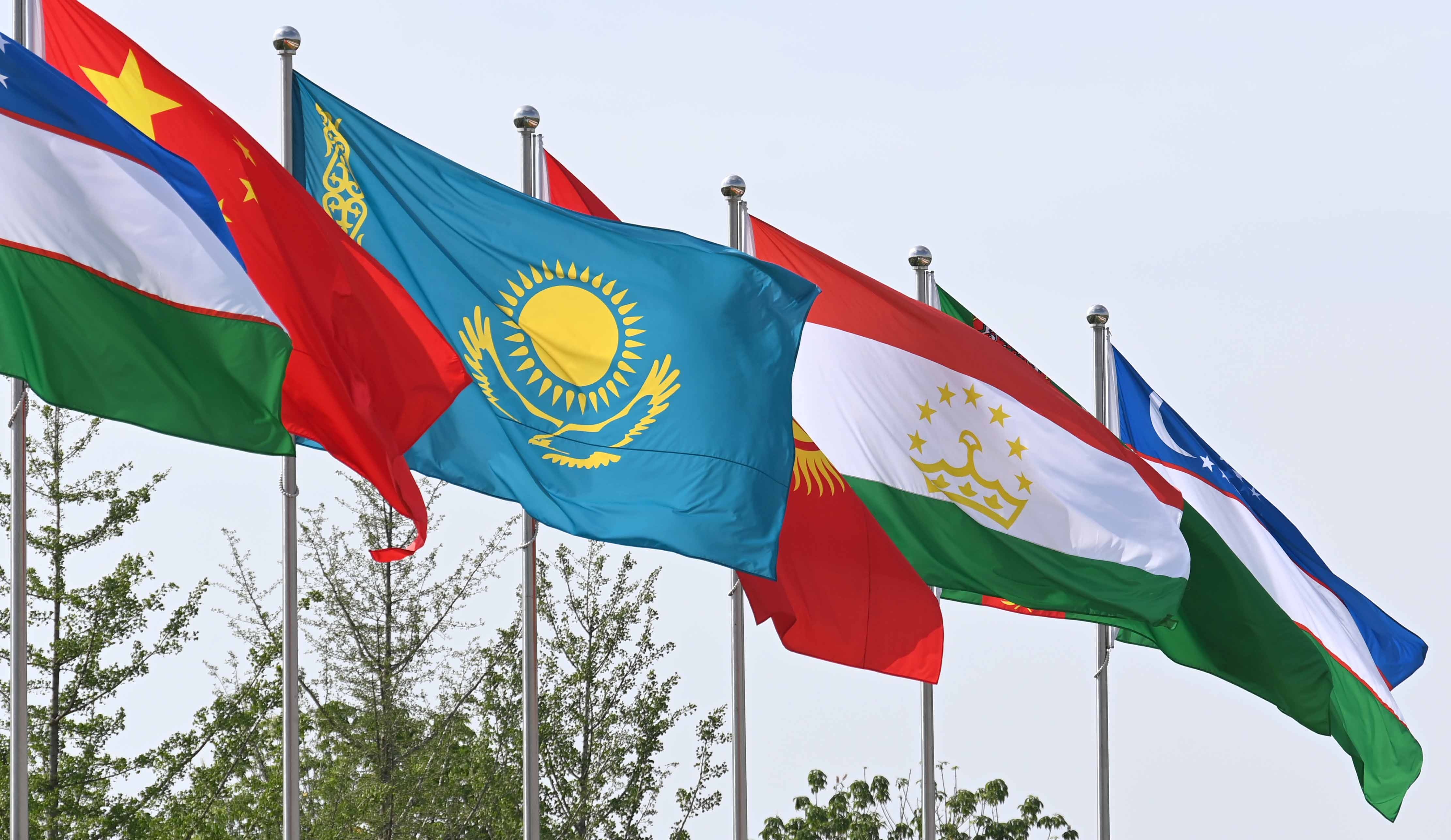
Central Asia is a key region of the ancient Silk Road and the birthplace of the Belt and Road Initiative. Guided by the concept of building a community with a shared future for mankind, and with joint construction of the Belt and Road as the main line, practical cooperation between China and the countries of Central Asia has yielded abundant results, vividly embodying the contemporary essence of good-neighborliness, friendship and shared development.
 Gov
Gov
First, strengthening political mutual trust and laying a solid foundation for cooperation.
Political mutual trust is the cornerstone of interstate relations and the most important support for the high-level development of relations between China and the countries of Central Asia. In recent years, high-level exchanges have become increasingly frequent, strategic coordination has been carried out on a regular and well-coordinated basis, political relations have continued to deepen, and strategic trust has been steadily strengthened - providing reliable political guarantees for expanding cooperation in all areas.
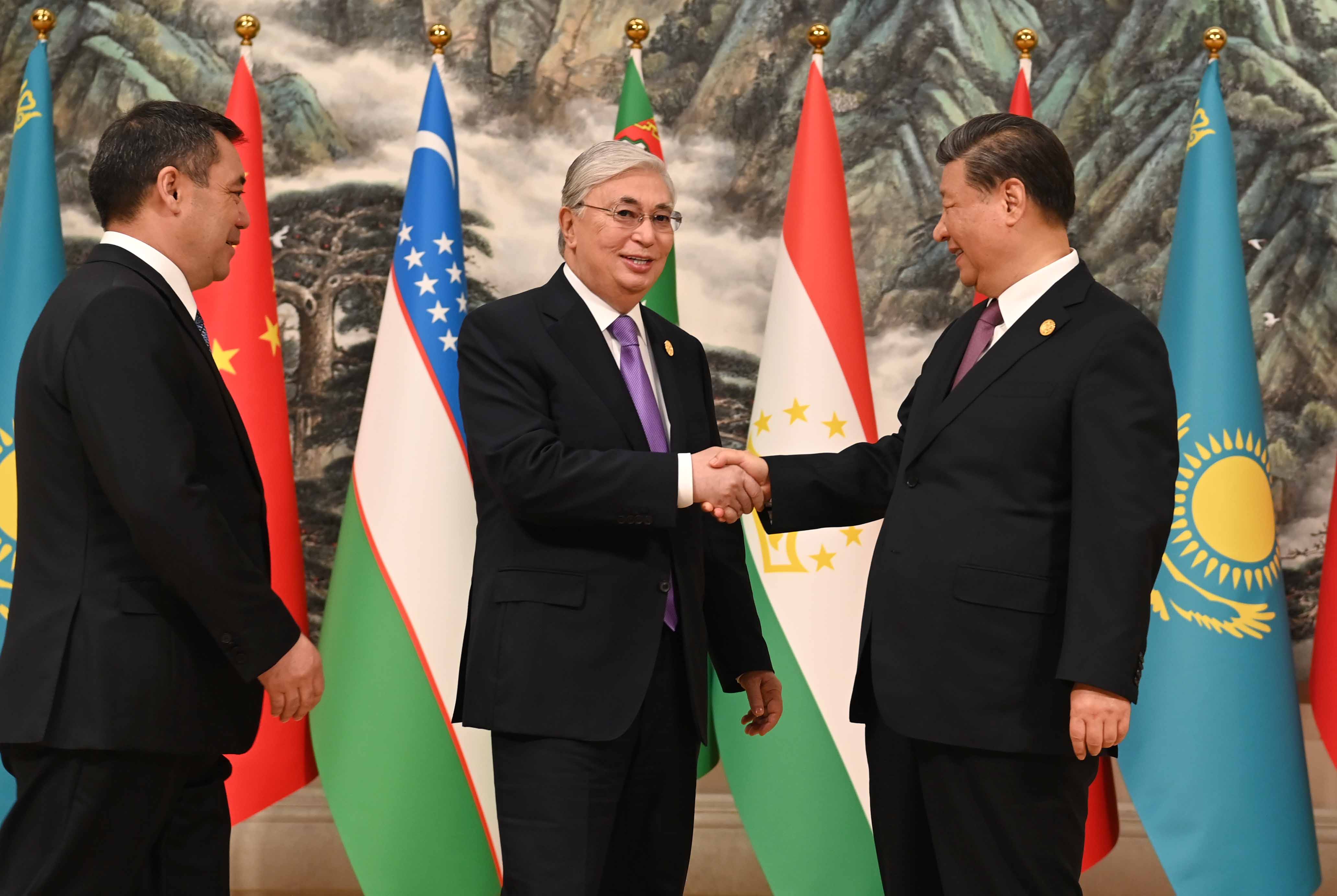
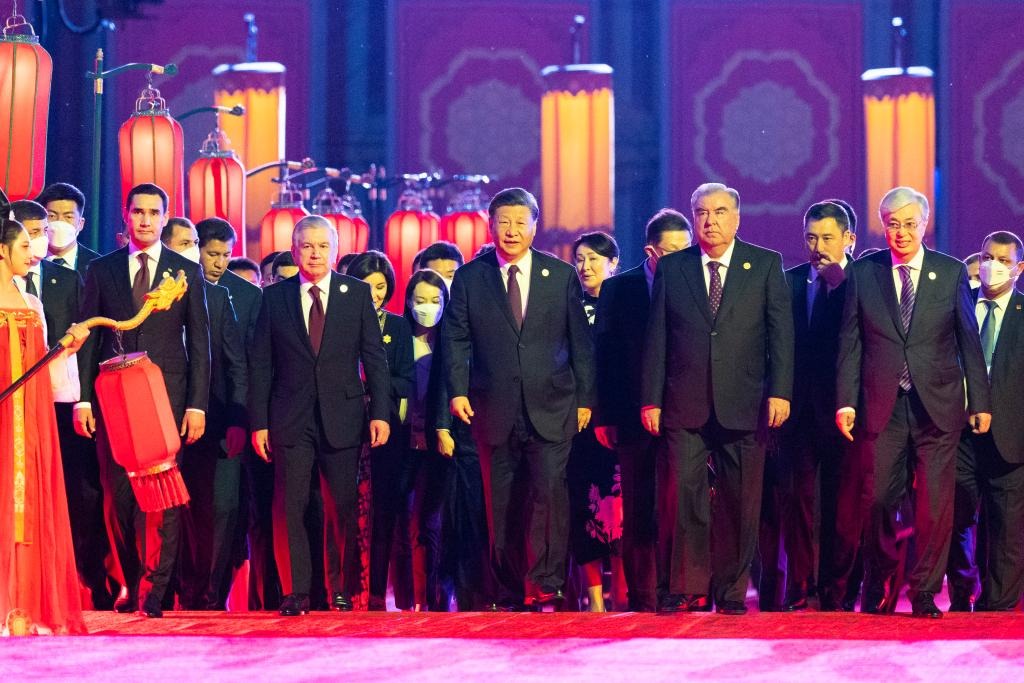
The first China – Central Asia Summit, held in Xi’an in May 2023, officially established a mechanism for meetings of heads of state in this format, providing long-term and sustainable institutional guarantees for China–Central Asia cooperation. At the second summit in June 2025, China and the Central Asian countries signed the Treaty on Eternal Good-Neighborliness, Friendship and Cooperation, legally enshrining the principle of friendship across generations and marking a new milestone in the history of relations among the six countries.
From meetings of heads of state to ministerial consultations, from permanent institutions to various forums, China and the Central Asian countries have built a comprehensive, multi-vector and multi-level mechanism of exchanges and cooperation. Amid intertwined changes and instability in the international and regional environment, China and the Central Asian states consistently uphold the “Spirit of China – Central Asia”, demonstrating mutual understanding, respect and support on issues involving each other’s core interests, thereby contributing to greater certainty and stability in the region and the world.
Second, deepening pragmatic cooperation and jointly building regional prosperity.
As pioneers of the joint construction of the Belt and Road, China and the Central Asian countries promote rapid regional economic growth, noticeable improvements in people’s livelihoods, and a qualitative leap in connectivity through investment, infrastructure development and technological cooperation.
By fully leveraging Central Asia’s unique geographical advantages, the parties are building highly efficient corridors that ensure the smooth flow of people and goods, strengthening the region’s role as a key transport hub of the Eurasian continent.
As a staunch advocate of the global green transition, China, relying on the strengths of its entire renewable energy industrial chain, provides equipment and technological support to promote green transformation in the region, helping unlock Central Asia’s vast renewable energy potential.
Cooperation is also steadily deepening in the areas of digital infrastructure connectivity, innovative application of digital technologies, facilitation of digital trade and enhancement of digital capacity. China actively participates in the construction and development of regional fiber-optic networks, data centers and cloud computing platforms, consistently engaging in Central Asia’s digitalization process.
The current year marks the start of China’s 15th Five-Year Plan. Using this important milestone as a new starting point, China intends to further expand cooperation with Central Asian countries, enrich its content, enhance quality and efficiency, and unlock its potential - acting as a reliable partner and like-minded ally on the path toward modernization.
Third, expanding two-way openness and sharing the dividends of development.
Against the backdrop of rising global protectionism, China firmly advances high-level opening-up, becoming a “stabilizing anchor” and a “source of momentum” for the global economy. In this process, Central Asia remains one of China’s key directions of high-level openness, with both sides jointly expanding the “pie of mutual benefit” and injecting resilience into the regional economy.
As the world’s second-largest economy, China enjoys the advantages of a vast domestic market and continuously provides development dividends to Central Asia and the wider world through the steady advancement of Chinese-style modernization. Central Asian countries are actively integrating into the Chinese market by expanding trade with China and sharing the opportunities created by China’s development.
Platforms such as the China International Import Expo, the Canton Fair, and the Silk Road International Expo provide high-quality opportunities for Central Asian companies to showcase products and expand market access. In 2025, total trade between China and Central Asia reached USD 106.3 billion, up 12% year-on-year. China’s imports from the region grew by 14%, with an expanding range of non-resource products such as chemicals, steel and agricultural goods. Exports from China increased by 11%, driven by strong growth in machinery and high-tech products, while the share of the “new trio” - electric vehicles, lithium batteries and photovoltaic panels - continued to rise steadily.
The potential of China–Central Asia economic and trade cooperation continues to unfold, with a more diversified trade structure and stronger drivers of mutually beneficial development.
Fourth, friendship across generations and joint creation of civilizational harmony.
For thousands of years, the peoples of China and Central Asia exchanged goods and experience, enriched each other’s knowledge and jointly created the splendor of the ancient Silk Road. Today, this path of friendship and cooperation, forged over centuries, is acquiring new contemporary meaning and continues to write a new chapter in the history of civilizational exchange.
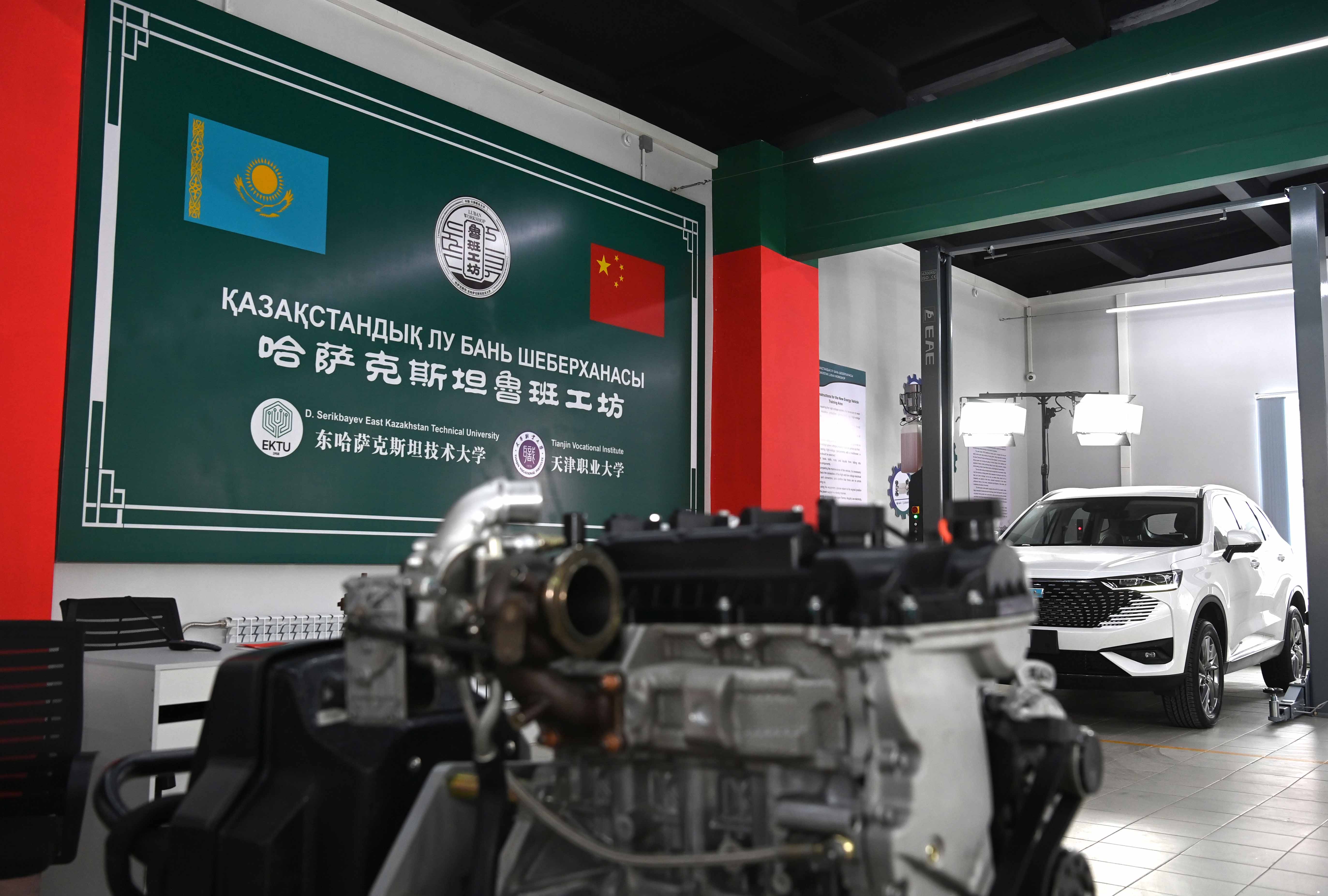
China and Central Asian countries actively open cultural centers, establish branches of Chinese universities and develop Luban Workshops, achieving notable progress in these areas. Visa-free regimes between China and Kazakhstan, as well as China and Uzbekistan, have stimulated tourism growth and brought people-to-people contacts closer together.
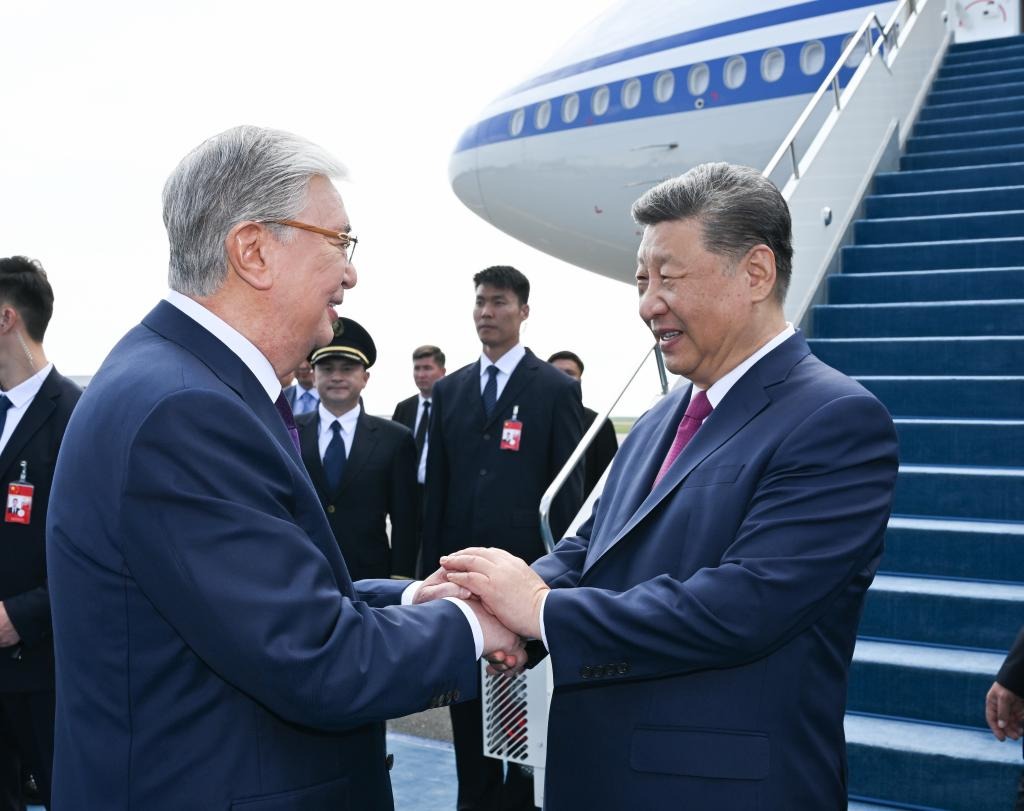
The sides jointly organize cultural exchange activities, heritage preservation initiatives and tourism projects, expand youth interaction formats, carry out joint archaeological projects, research the Silk Road and cultural heritage, and promote exchanges between museums. All of this creates more opportunities for communication between the peoples of China and Central Asia - especially for younger generations - strengthening the idea of friendship across generations and giving it profound social significance.
Standing at a new historical starting point, China is ready to work together with Central Asian countries under the “Spirit of China – Central Asia”, strengthen cooperation mechanisms, act in unity - hand in hand, shoulder to shoulder - and advance the building of an even closer community with a shared future, making a significant contribution to peace and development both in the region and across the world.