

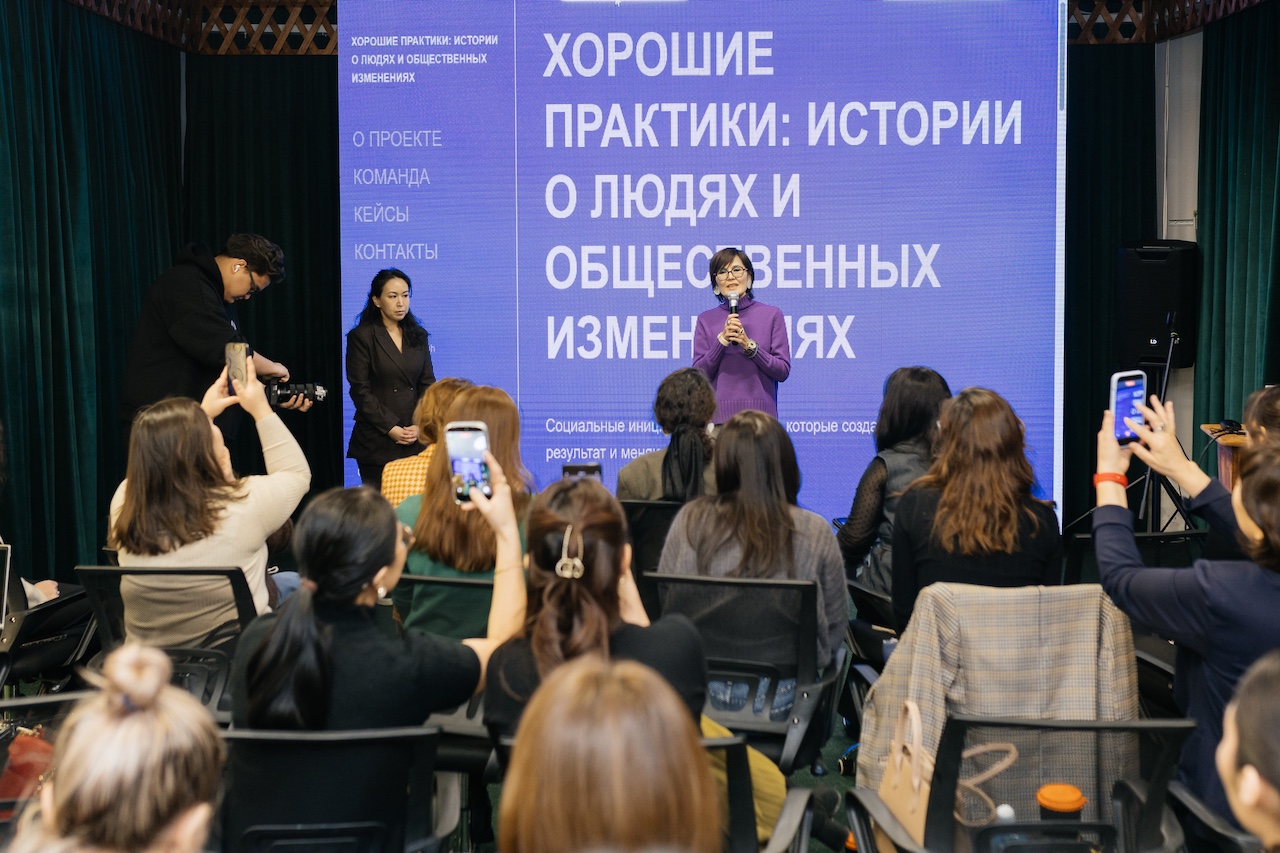
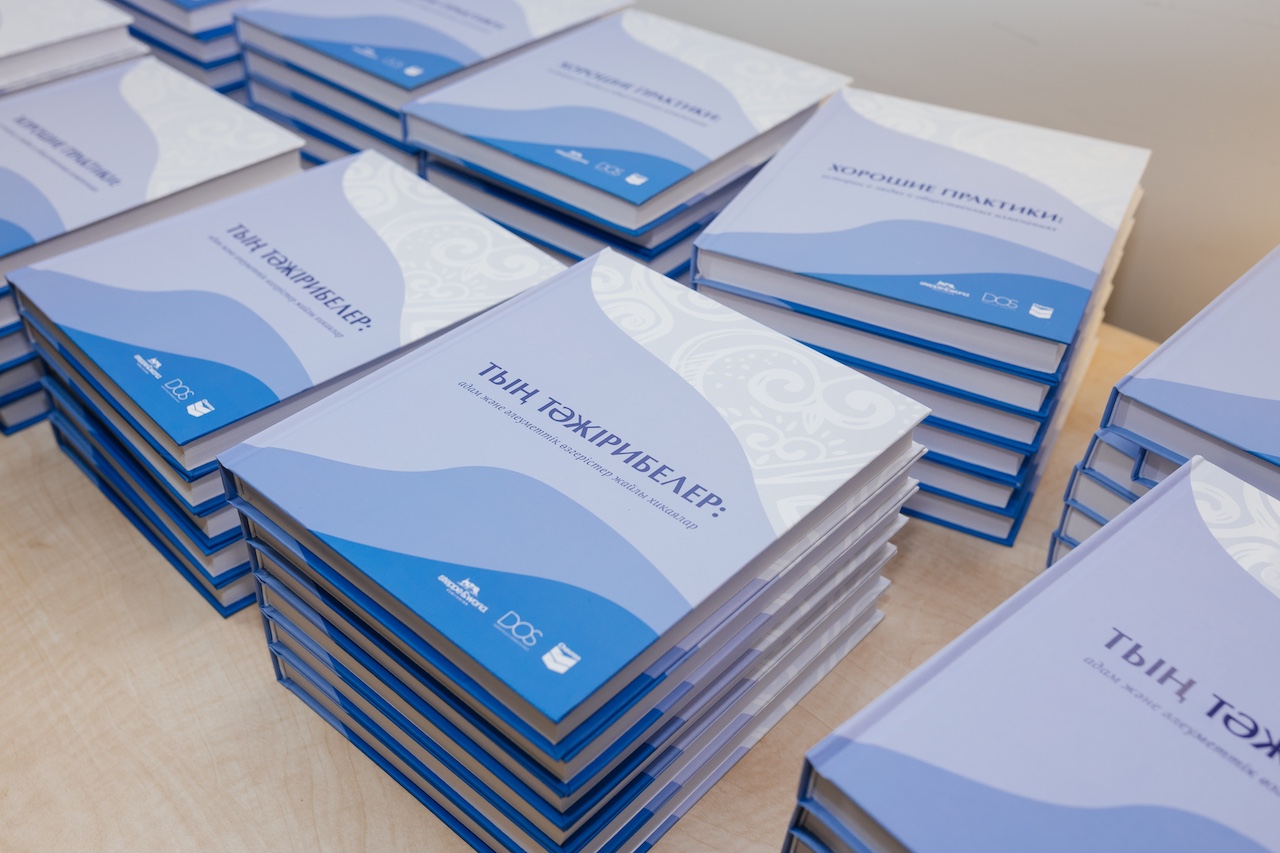
On January 21, the Social Innovation Hub in Astana hosted the presentation of the “Good Practices” collection, prepared by Dos Community in partnership with Chevron. The event brought together representatives of non-governmental organizations, corporate partners, experts and researchers, as well as officials from government and quasi-government institutions, DKNews.kz reports.
A month earlier, the collection had been introduced to a broader audience and the NGO community in Almaty. The Astana event focused on a deeper discussion of the project and its practical application across the country.
Not Just Inspiring Stories, but a Practical Tool
The main goal of the meeting was to present the “Good Practices” collection and to discuss methodological approaches to identifying, analyzing, and scaling effective social initiatives in Kazakhstan. The project aims to build a shared professional language within the social sector and to promote solutions that have proven their impact in practice.
The project overview was presented by Leila Aitmukhanova and Ainur Aimurzina, who emphasized that the collection goes beyond storytelling. Instead, it serves as an analytical resource for NGOs, businesses, and donors seeking evidence-based social impact models.
“Our goal was not to compare or rank initiatives. We were looking for people and practices that could serve as a foundation for the development of the social sector,” said Leila Aitmukhanova, Social Investment Advisor at Chevron and coordinator of the “Good Practices” book project.
How Social Practices Were Selected
The methodology behind the selection and analysis of social initiatives was presented by Aliya Sarsekeyeva, sociologist, founder of Kazakhstan Sociology Lab, and an expert in big data analysis in education and labor markets.
She spoke about evaluation criteria, data-driven approaches, and the importance of evidence-based decision-making in the social sector. According to her, only a systematic and analytical approach allows truly effective initiatives to be distinguished from one-time or unsustainable projects.
A separate session showcasing specific projects and case studies was delivered by Zhanar Zhaksylykova, one of the project’s researchers and an expert in sustainable development, ESG, and social impact initiatives.
 @Kairzhan Sagyndykov
What Defines a “Good Practice”
Ainur Aimurzina, Director of the Dos Community private foundation, highlighted the core principles that define a truly effective social initiative.
“A good practice is always a combination of transparent processes, respect for people, and clear, measurable results. If a project does not improve the lives of real people, it cannot truly be called social,” she said.
From Theory to Practice: The “Courtyard Clubs” Case
The practical part of the program continued with Lyazzat Alshinova, who presented the “Courtyard Clubs” case study. Participants discussed which management and organizational solutions help such initiatives remain sustainable and scale successfully across different regions.
The discussion demonstrated how local grassroots projects can evolve into long-term, systemic social solutions.
 @Kairzhan Sagyndykov
How the Collection Can Be Used
During the open discussion, participants summarized the project’s key outcomes and explored practical ways to apply the collection’s materials — from NGO operations to educational programs and corporate social initiatives. The event concluded with a Q&A session.
Participants noted the value of the collection as a tool for strengthening partnerships between NGOs, businesses, and the expert community, as well as its potential to foster a more systematic and professional approach to social change in Kazakhstan.
Beyond the Book
The project does not end with the publication of the collection. Alongside the book, the goodpractices.kz online platform has been launched. It is designed to serve as an open database of social initiatives and a space for collecting, discussing, and sharing effective practices.
According to the organizers, the platform aims to create a living ecosystem that supports the continuous development of social impact initiatives across Kazakhstan.