
Kazakhstan has taken a major step toward strengthening child welfare nationwide. UNICEF has welcomed the adoption of the national program “Children of Kazakhstan” for 2026–2030, describing it as a comprehensive strategy designed to improve the well-being of 6.9 million children – nearly 34 percent of the country’s population, DKNews.kz reports.
Initiated by President Kassym-Jomart Tokayev, the program establishes a unified strategic vision for state policy in the interests of children and marks one of the most ambitious child-focused initiatives in the country’s history.
A strategy built on concrete action
Unlike declarative policy documents, the “Children of Kazakhstan” program is built around practical implementation. It includes 158 specific measures to be carried out between 2026 and 2030, with a total budget of USD 2.6 billion.
The measures cover key areas affecting children’s lives, including social protection, healthcare, education, and child safety. The scale of the program reflects a long-term, systemic approach to child development and protection.
Focus on families, digital safety, and child-friendly infrastructure
A central pillar of the program is support for families and the promotion of positive parenting. Policymakers emphasize that children’s well-being begins at home, making family support a foundational element of the strategy.
Special attention is also given to children’s digital safety – an increasingly critical issue in the modern world. The program prioritizes solutions that protect children in online environments and address emerging digital risks.
In addition, the strategy предусматривает:
- the construction of new medical and rehabilitation facilities,
- the expansion of inclusive and child-friendly services,
- strengthened psychological support in schools,
- enhanced child protection systems at the regional level.
Improving professional standards for specialists working with children is another key priority.
UNICEF as a strategic partner
UNICEF served as a key strategic partner to the Government of Kazakhstan in developing the program. The organization supported the integration of international norms and standards from the Convention on the Rights of the Child, UN global strategies, and best international practices into national policy.
UNICEF experts provided systematic support in shaping the program’s overall architecture, including conceptual frameworks, outcome indicators, intersectoral coordination mechanisms, and approaches to monitoring and evaluation.
Data-driven and child-centered
A defining feature of the program is its reliance on evidence-based policymaking. UNICEF drew on global best practices, MICS data, and analytical research to ensure the strategy responds to the real needs of children and families.
Support was also provided for developing early identification and case management systems for children and families, digital child protection solutions, expanded social and psychological support services, and strengthened workforce capacity in child protection.
Broad cooperation – including children’s voices
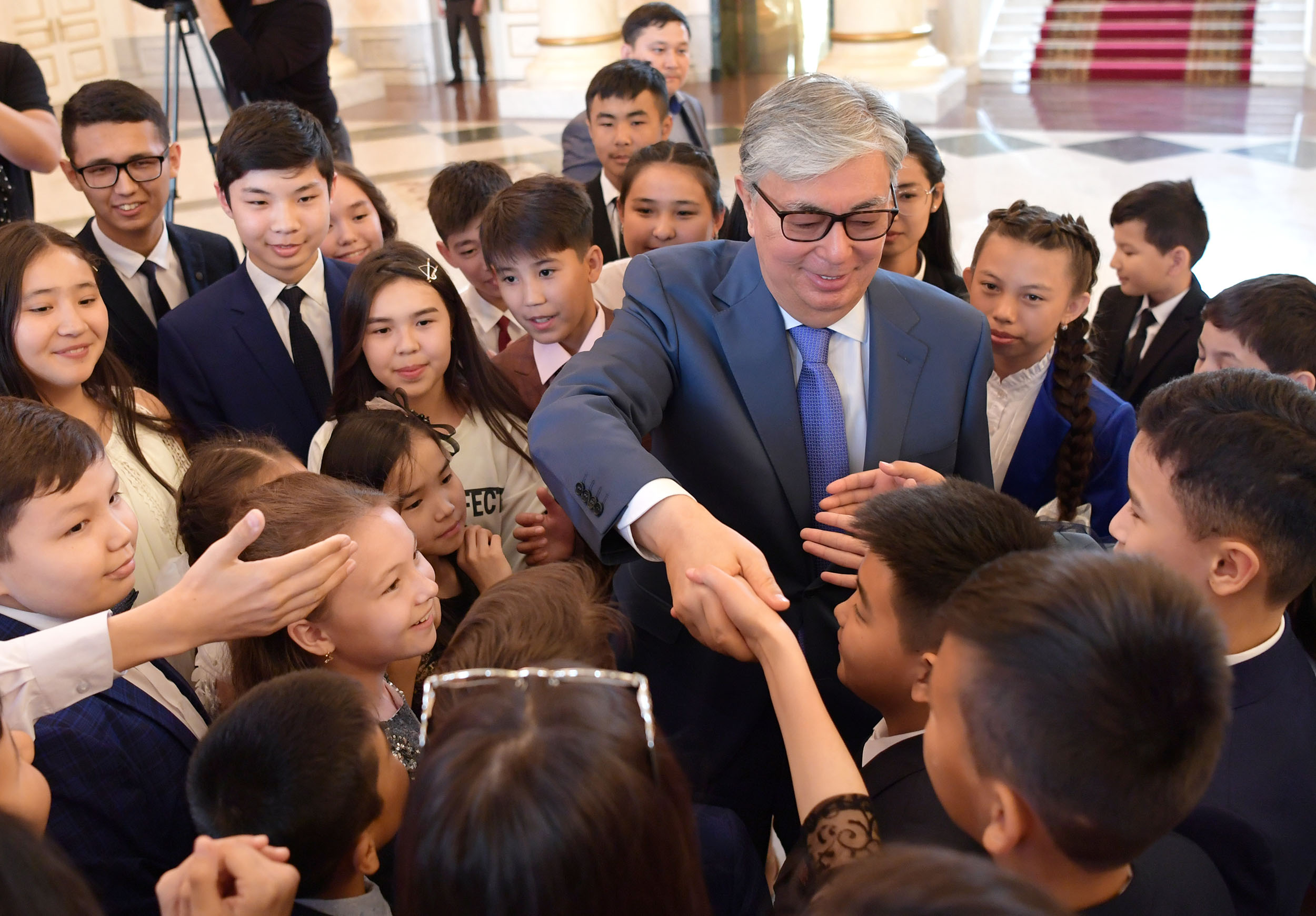
The “Children of Kazakhstan” program is the result of close interagency cooperation. Participants included the State Counselor of the Republic of Kazakhstan, the Commissioner for Children’s Rights, the Ministry of Education, the Committee for the Protection of Children’s Rights, representatives of civil society, and – importantly – children themselves.
Children’s views were taken into account during national consultations, aligning the program with international standards of child participation.
Contribution to global development goals
The adoption of the program is expected to make a significant contribution to achieving the UN Sustainable Development Goals, particularly:
- SDG 3 – Good Health and Well-being,
- SDG 4 – Quality Education,
- SDG 10 – Reduced Inequalities.
At the national level, the program strengthens Kazakhstan’s child rights protection system and reinforces the country’s commitment to inclusive and sustainable development.
What comes next
UNICEF has confirmed it will continue working with the Government of Kazakhstan as a strategic partner during the implementation phase. This cooperation will include mobilizing international expertise, supporting reforms at national and regional levels, developing sustainable financing and accountability systems, and expanding the participation of children and youth in policymaking.
The “Children of Kazakhstan” program is not just a policy document – it is a statement of the country’s long-term commitment to its youngest generation and to building a future centered on children’s rights, safety, and well-being.