

The Turkic world has found a new cultural voice far beyond Eurasia. In Mexico City, an event dedicated to the World Day of the Turkic Languages Family brought together diplomats, scholars, and cultural leaders, turning the spotlight on a shared heritage that continues to resonate across continents, DKNews.kz reports.
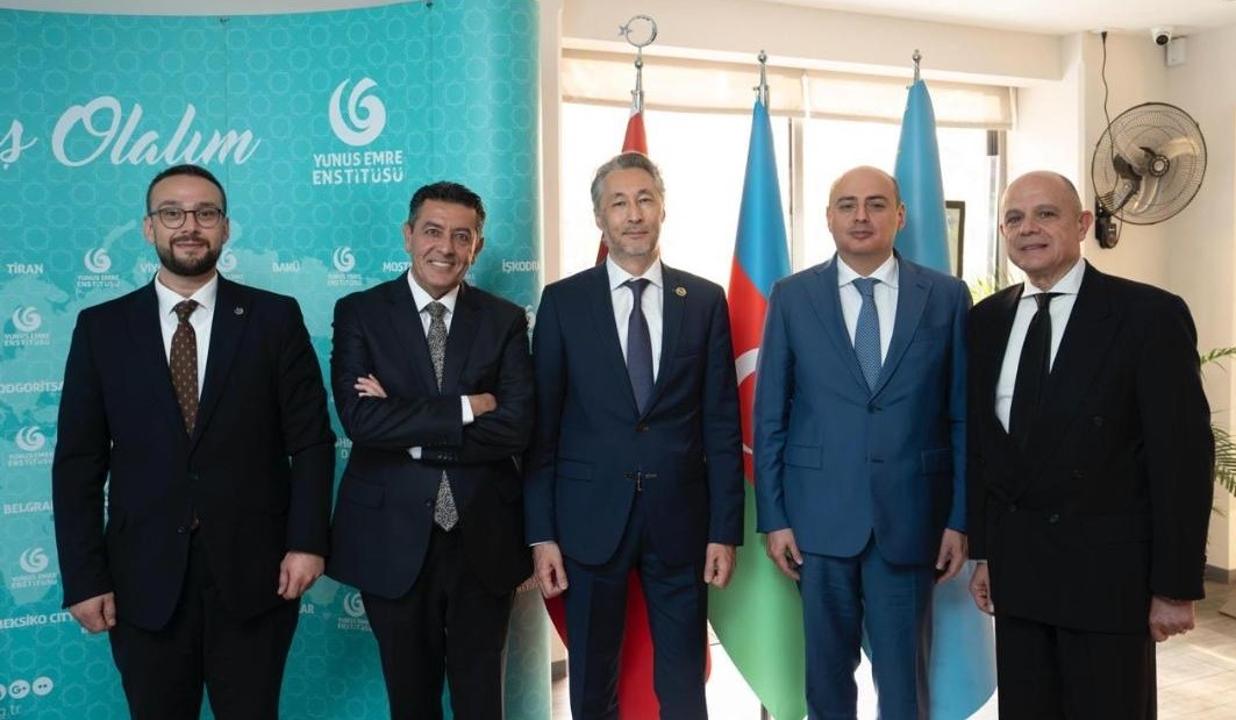
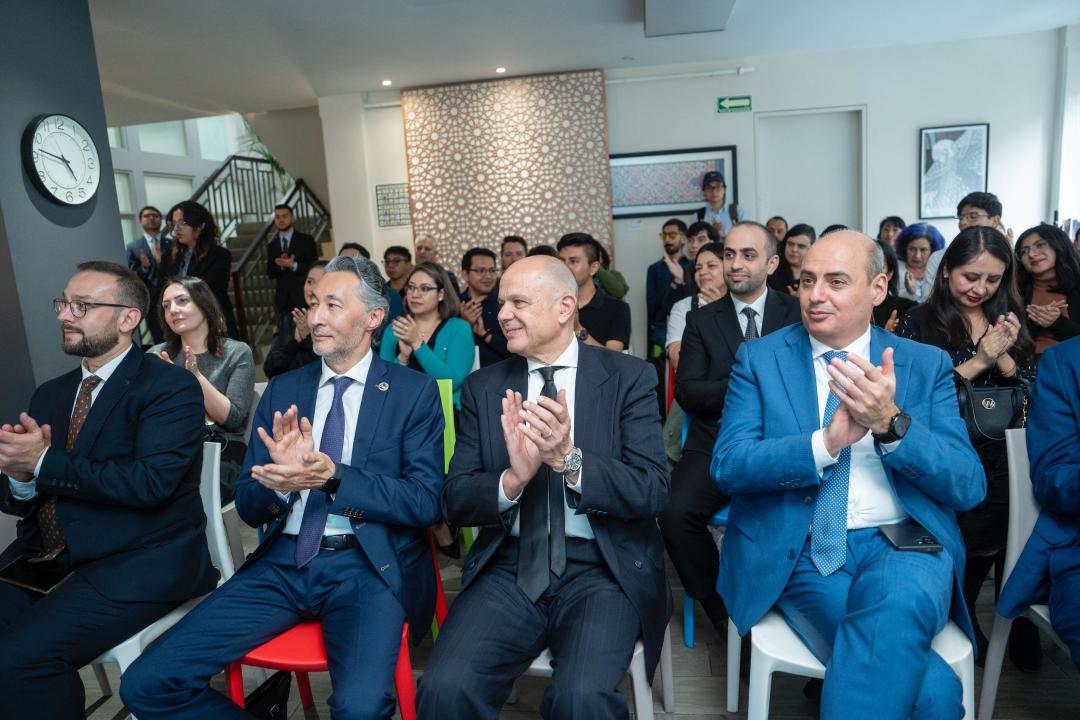
The event was organized by the Yunus Emre Institute in Mexico with the participation of the diplomatic missions of Kazakhstan, Türkiye, and Azerbaijan, highlighting the growing international dimension of Turkic cultural diplomacy.
Diplomacy Through Language and Culture
Among the participants were Ambassador of Kazakhstan to Mexico Almurat Turganbekov, Ambassador of Türkiye Murat Salim Esenli, and Ambassador of Azerbaijan Seymur Fataliyev. Their presence underscored a shared commitment to promoting Turkic identity not only within the Turkic world, but globally.
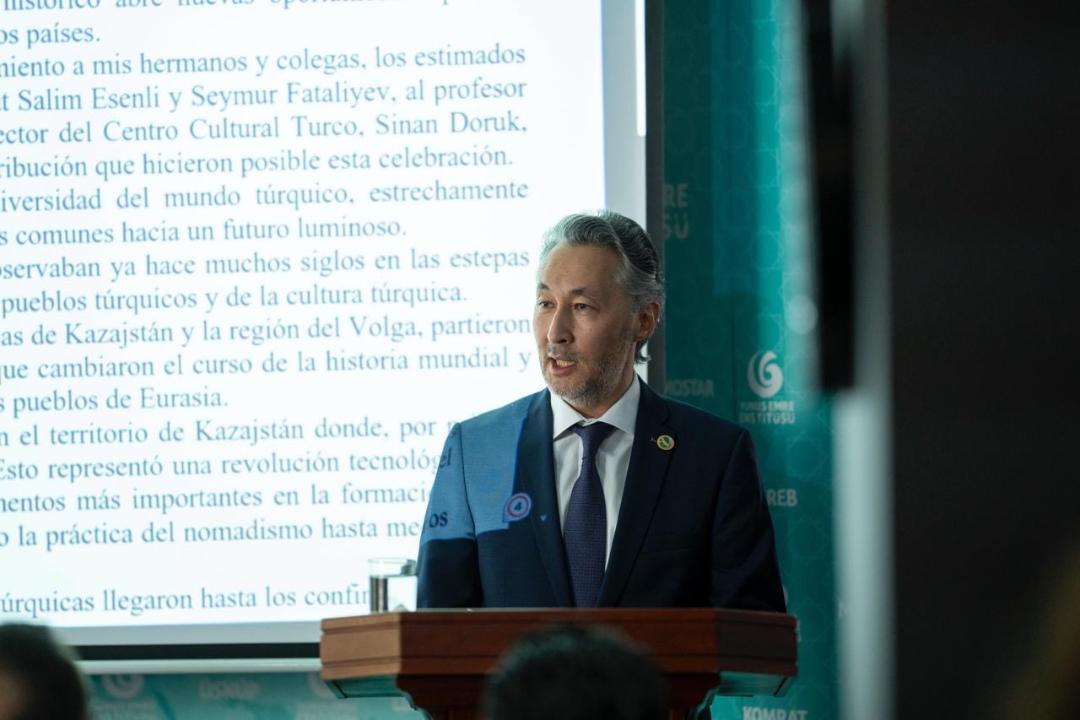
In his address, Ambassador Turganbekov emphasized that Turkic languages are far more than a means of communication. They are a cornerstone of the common historical and cultural legacy of Turkic peoples and a vital element in preserving their spiritual identity in a rapidly changing world.
The Turkic World and Latin America: A Growing Dialogue
A key focus of the speech was the expanding role of humanitarian and cultural cooperation among Turkic states. Ambassador Turganbekov highlighted the work of the Organization of Turkic States (OTS) as a central platform for safeguarding and promoting Turkic languages and culture.
He noted Kazakhstan’s active contribution to OTS initiatives, particularly those aimed at strengthening cultural ties and expanding dialogue between the Turkic world and Latin America - a region increasingly open to new cultural narratives and partnerships.
From Ancient Inscriptions to Modern Identity
The academic centerpiece of the event was a lecture by Professor Mehmet Necati Kutlu, Doctor of Sciences, who explored the development and deep interconnection of Turkic languages.
Tracing their roots back to Proto-Turkic origins, Professor Kutlu highlighted the significance of the Orkhon-Yenisei inscriptions, among the earliest written records of the Turkic language tradition. These ancient texts, he explained, remain a powerful symbol of continuity linking the past to the present.
Why December 15 Matters
Professor Kutlu also drew attention to the World Day of the Turkic Languages Family, celebrated annually on December 15. The observance was officially established by a decision of the UNESCO General Conference in November 2025 in Samarkand.
According to the professor, this international recognition plays a crucial role in:
- strengthening linguistic and spiritual unity across the Turkic world;
- encouraging deeper communication among Turkic peoples;
- creating conditions for broader cultural integration on a global scale.
A Message Beyond Borders
Hosting the event in Mexico City was symbolic. It reflected how Turkic culture and language are increasingly becoming part of a global cultural conversation, reaching new audiences far from their historical heartlands.
What unfolded in the Mexican capital was more than a commemorative event. It was a clear signal that the Turkic languages are not only preserving the past, but actively shaping new bridges of understanding in the modern world.