
In the quiet northern capital of Helsinki, where winter light reflects off the Baltic Sea and historic buildings stand in calm symmetry, a different kind of warmth filled the air this week — the warmth of shared language, memory, and heritage, DKNews.kz reports.
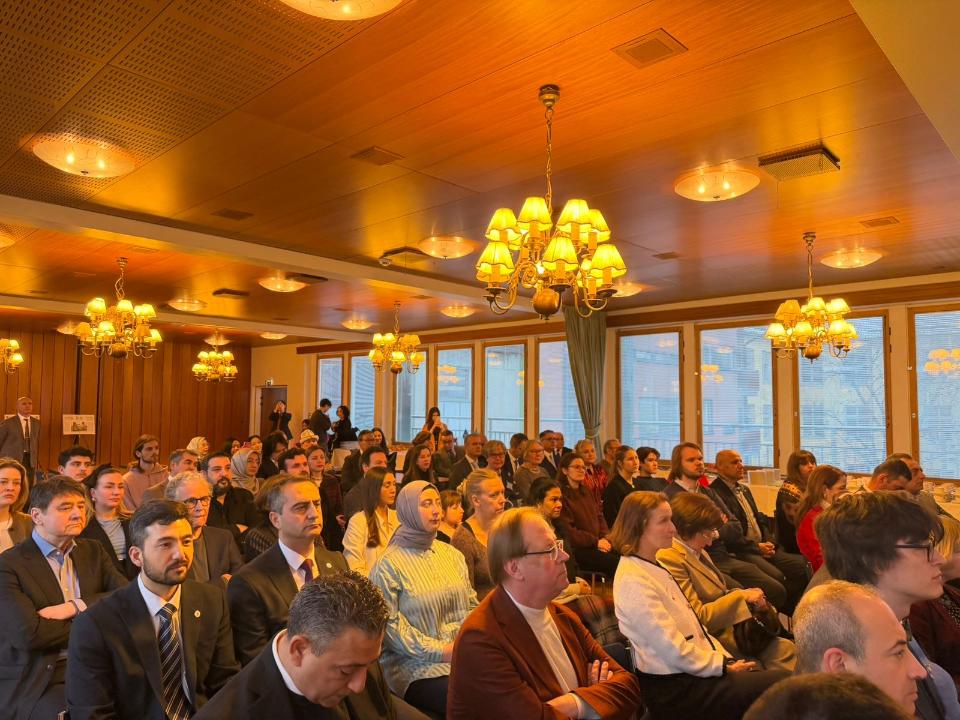
The World Day of the Turkic Languages Family was celebrated in Finland’s capital with a ceremonial event organized by the Embassy of Kazakhstan in Finland together with the Embassies of Türkiye and Uzbekistan, the House of Azerbaijan, the Finnish Islamic Congregation, and representatives of the Kyrgyz and Tatar diasporas.
It was more than a diplomatic reception. It was a reminder that languages carry civilizations.
A Date That Now Holds Global Recognition
The celebration gained special significance after UNESCO officially included the World Day of the Turkic Languages Family in its international calendar of commemorative dates in 2025.
That decision was not symbolic alone. It acknowledged the vast cultural and historical legacy of Turkic peoples — and the unique contribution of Turkic languages to world civilization.
Today, more than 200 million people across Eurasia speak Turkic languages. From Anatolia to Central Asia, from the Volga region to Western China, these languages share deep historical roots while evolving into distinct modern identities. Recognizing this family of languages on a global stage signals respect for diversity, heritage, and intercultural dialogue.
“Not Just a Celebration, but a Symbol”
In his remarks, Ambassador of Kazakhstan to Finland Azamat Abdraimov emphasized that Turkic languages form an essential part of the shared historical memory and spiritual closeness of Turkic nations.
For Kazakhstan, he noted, promoting Turkic cultural heritage and maintaining strong ties with brotherly countries remains a strategic priority.
“The World Day of the Turkic Languages Family is not only a celebration of our common culture,” he said, “but also a symbol of cooperation, mutual respect, and our aspiration toward shared development.”
In a time when global tensions often dominate headlines, such messages resonate far beyond protocol speeches.
Helsinki as a Bridge Between Worlds
The event gathered representatives of the Finnish Parliament, the Ministry of Education, members of the business community, research institutes, cultural figures, and public organizations.
Finland, known for valuing education, multilingualism, and cultural diversity, proved to be a meaningful setting for this gathering. The presence of Finnish officials highlighted growing interest in Central Asia and the broader Turkic world — not only politically, but culturally and academically.
Events like this function as cultural diplomacy in action. They build understanding through dialogue rather than declarations.
When Music Speaks Louder Than Words
The evening’s most powerful moments came not from speeches, but from music.
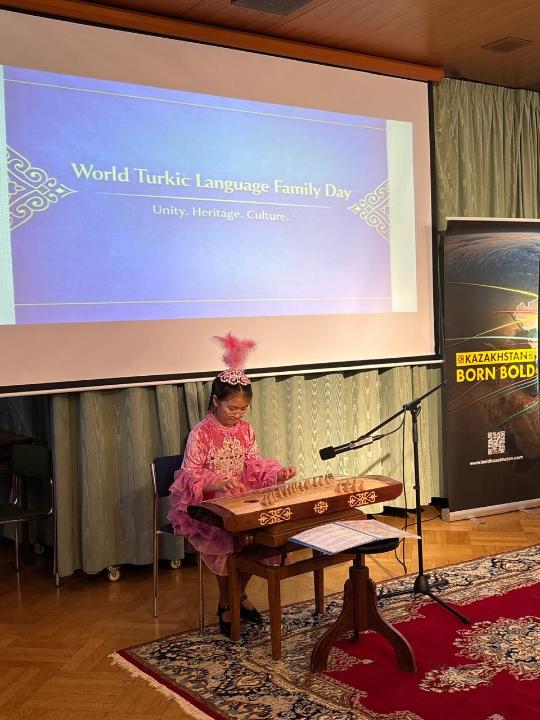
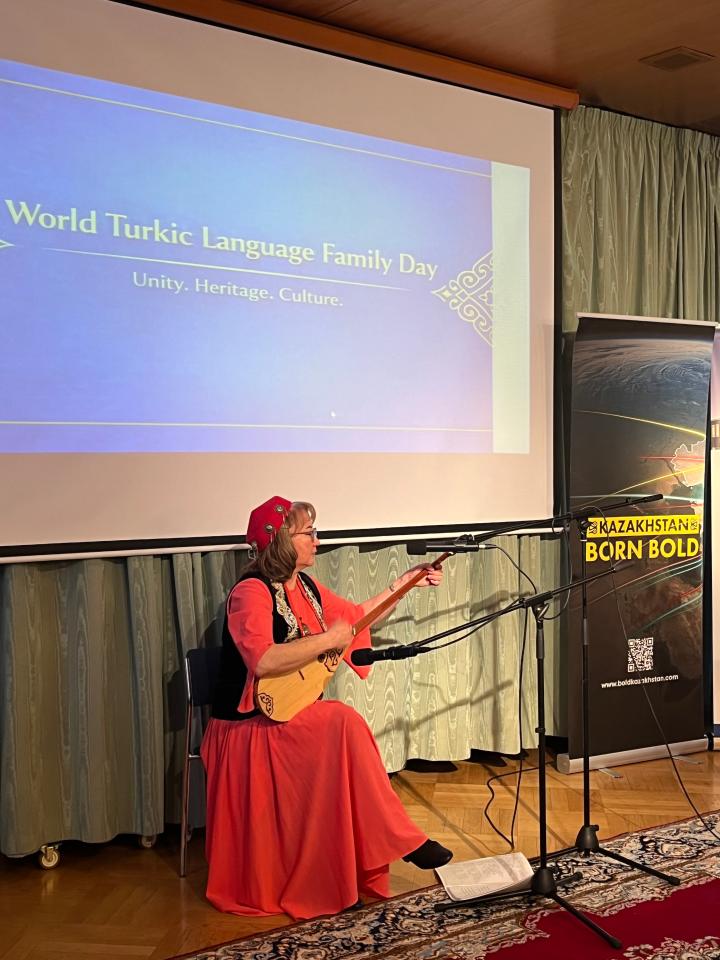
Guests listened to performances on traditional instruments — the dombra, jetigen, kobyz and others. The deep resonance of the kobyz, the rhythmic pulse of the dombra, the delicate strings of the jetigen — together they created a soundscape that needed no translation.
Music became a shared language in a room filled with different accents and backgrounds. It reminded everyone present that while languages may branch into many forms, their emotional core remains universal.
Why This Day Matters
The World Day of the Turkic Languages Family is not only about preserving the past. It is about shaping the future.
Languages are living systems. They carry stories, values, worldviews. They influence how communities think, connect, and innovate. By celebrating Turkic languages globally, organizers are also investing in intercultural dialogue and long-term cooperation across regions.
Participants expressed gratitude to the organizers for creating a platform that strengthens ties between Turkic peoples and introduces the Finnish public to the richness and diversity of Turkic culture.
In the end, the event in Helsinki was not just about history. It was about continuity.
In a northern European capital far from the steppes of Central Asia, the voice of the Turkic world sounded clear — steady, confident, and united.