

Kazakhstan is quietly but steadily strengthening its diplomatic footprint in Africa — and this time, the momentum came on the sidelines of one of the continent’s most important political gatherings, DKNews.kz reports.
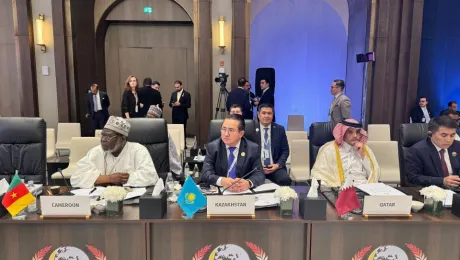
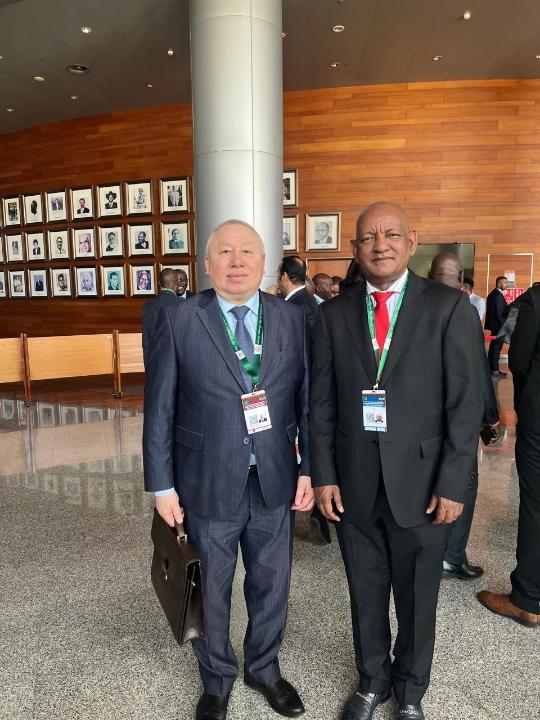
During the 48th Ordinary Session of the Executive Council of the African Union (AU), Ambassador of Kazakhstan to Ethiopia and Permanent Representative to the AU, Zhalgas Adilbayev, held a series of high-level meetings aimed at deepening both bilateral and multilateral cooperation with African states.
The ministerial session brought together foreign ministers from nearly every African country, serving as a strategic preparatory platform for the upcoming 39th Ordinary Session of the Assembly of the African Union Heads of State and Government. The discussions focused on Africa’s 2026 strategic direction, economic integration, and strengthening regional resilience amid global challenges.
Focus on Democratic Republic of the Congo: From Dialogue to Implementation
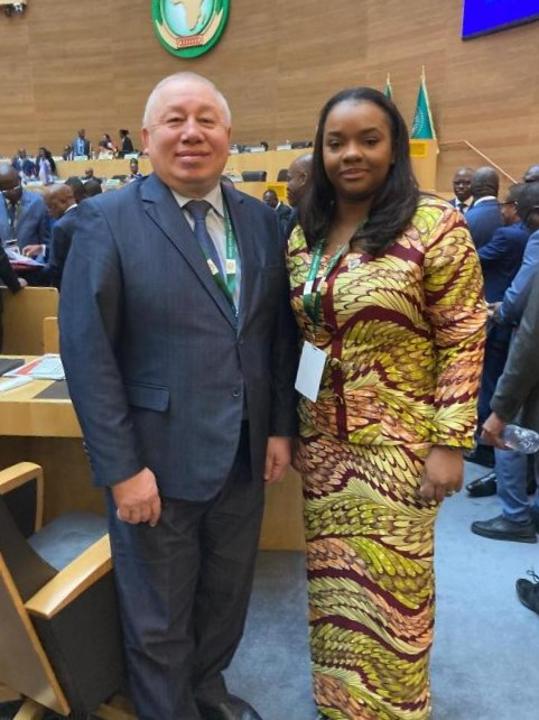
One of the key meetings took place with Noella Ayeganagato Nakwipone, Deputy Minister of Foreign Affairs of the Democratic Republic of the Congo (DRC), who led the Congolese delegation. The Ambassador of the DRC to Ethiopia, Jean Leon Ilunga, also participated in the talks.
The discussion moved beyond formalities. The diplomats focused on the practical implementation of agreements reached during the official visit of DRC President Félix Tshisekedi to Kazakhstan in September 2025 — a visit that marked a turning point in bilateral relations.
The two sides reviewed progress on mandates issued by their heads of state, particularly in trade, economic cooperation, and investment. Mineral resource management emerged as a priority area — a logical focus, given the DRC’s vast natural wealth and Kazakhstan’s industrial and mining expertise.
Digitalization and coordination within international organizations were also on the agenda, signaling that both countries are looking beyond raw materials toward technology-driven and institution-based cooperation.
Parliamentary Diplomacy and Political Reform
Ambassador Adilbayev also held talks with A. Gayo, Vice President of the Pan-African Parliament and Member of the Ethiopian Parliament.
During the meeting, the Kazakh diplomat presented an overview of Kazakhstan’s ongoing domestic political reforms — a subject that has drawn increasing international attention in recent years.
Adilbayev shared the outcomes of the specialized commission that worked on drafting amendments to Kazakhstan’s Constitution. According to the Ambassador, the reforms aim at deep democratization of the political system, strengthening mechanisms for protecting citizens’ rights, and improving social welfare.
The emphasis on constitutional reform is particularly relevant in the African context, where governance, institutional development, and citizen participation remain central themes in continental discussions.
Why Africa Matters for Kazakhstan
Kazakhstan’s engagement with the African Union reflects a broader strategic vision. As the world becomes increasingly multipolar, Astana is actively diversifying its foreign policy partnerships beyond traditional Eurasian frameworks.
Africa, with its young population, growing markets, and strategic resources, represents not just an economic opportunity but also a platform for political cooperation within global institutions.
By participating in AU ministerial sessions and engaging directly with African leaders, Kazakhstan positions itself as a constructive partner ready to share experience in state-building, economic modernization, and political reform.
While such meetings may not always make global headlines, they form the quiet architecture of long-term international partnerships.
And judging by the growing frequency of contacts, Kazakhstan’s dialogue with Africa is only just beginning.