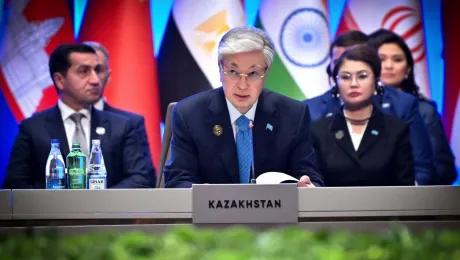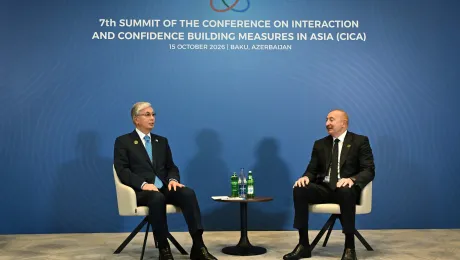

In a world shaken by pandemics, climate disasters and deepening inequality, Kazakhstan is once again placing primary health care at the center of the global conversation, DKNews.kz reports.
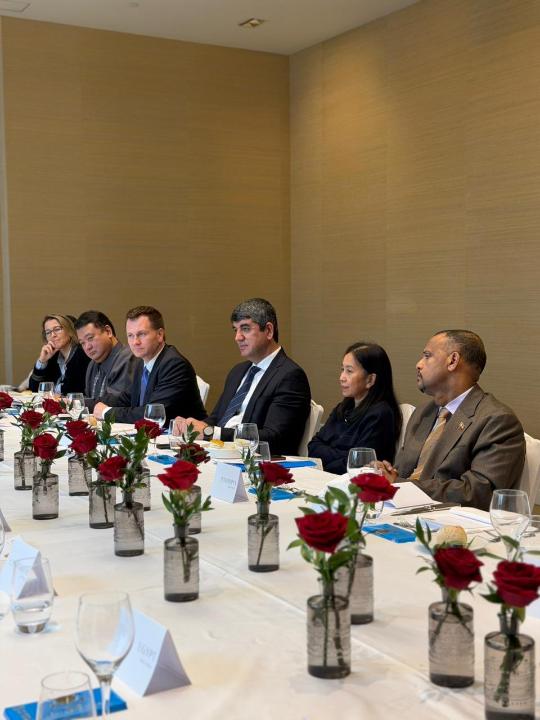
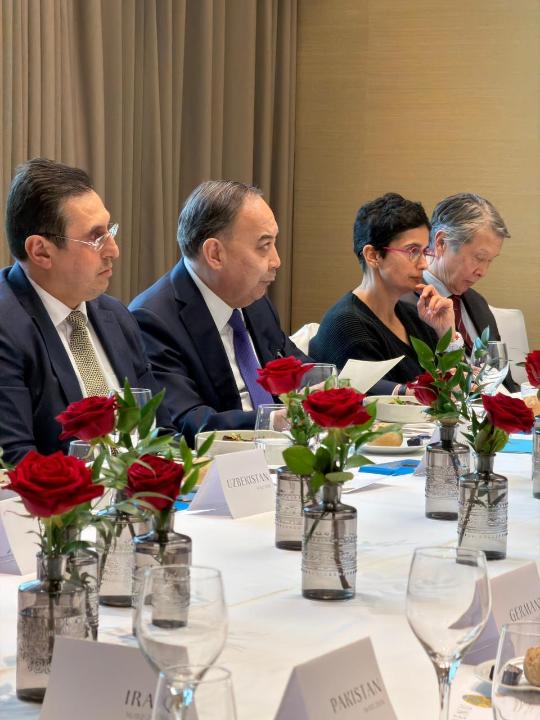
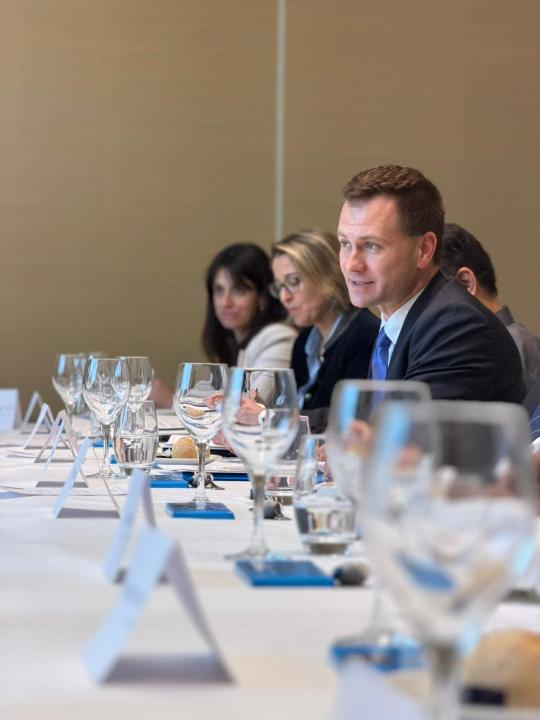
This week in Geneva, the Permanent Mission of Kazakhstan to the United Nations Office and other International Organizations convened ambassadors, senior diplomats and World Health Organization (WHO) officials for a high-level discussion on the Global Coalition on Primary Health Care (PHC) — an initiative launched by Kazakhstan in 2023 that is steadily gaining international traction.
A Legacy That Began in Alma-Ata
Kazakhstan’s leadership in primary health care is not new. It traces back to the historic World Health Organization-backed Alma-Ata Declaration of 1978, adopted in what is now Almaty. That landmark document declared health a fundamental human right and placed primary health care at the heart of universal access.
Forty years later, in 2018, global leaders returned — this time to Astana — to reaffirm those principles in the Astana Declaration. Today, as global health systems face new pressures, Kazakhstan is working to transform that legacy into practical political action.
At the Geneva meeting, Kazakhstan’s Permanent Representative, Ambassador Erzhan Kazykhan, reminded colleagues that primary health care is not simply about clinics and family doctors. It is about resilience.
“Amid humanitarian emergencies, climate-related disasters and widening inequalities, primary health care remains the most effective foundation for equitable and resilient health systems,” he stressed.
Why Primary Health Care Matters Now
The timing is critical. Countries are still recovering from the COVID-19 pandemic. Climate-related disasters are increasing in frequency. Conflicts are disrupting health systems across multiple regions.
Primary health care — community-based, preventive, accessible services — is widely seen by experts as the most cost-effective way to strengthen national systems and prevent crises from spiraling out of control.
During the discussion, senior WHO officials reinforced this message. Kalipso Chalkidou, Director of the WHO’s Performance, Financing and Delivery Department, and Shams Syed, Head of the Service Delivery PHC Unit, highlighted the importance of sustained political commitment.
Diplomats also referred to the recent WHO Director-General’s report on primary health care, which recognizes the Global Coalition on PHC as a mechanism to maintain high-level engagement and promote shared learning between countries.
What Is the Global Coalition on PHC?
Launched by Kazakhstan in 2023, the Global Coalition on Primary Health Care is a voluntary, cross-regional political platform. It aims to:
- Keep primary health care high on the global agenda
- Facilitate dialogue between governments and partners
- Promote practical cooperation and knowledge sharing
- Sustain political commitment beyond declarations
The Coalition currently includes 24 partners, including the WHO, and continues to attract interest from additional countries.
Unlike technical working groups, the Coalition operates at a political level — bringing together ambassadors and policymakers to ensure that primary health care remains a strategic priority, not just a policy aspiration.
A Strategic Diplomatic Move
For Kazakhstan, the initiative also reinforces its identity as a bridge-builder in global health diplomacy.
By anchoring the Coalition in Geneva — the world’s health diplomacy capital — Kazakhstan is positioning itself at the center of international discussions on health system reform.
Observers note that this approach reflects a broader foreign policy strategy: leveraging historical legacy (Alma-Ata), multilateral engagement (through WHO), and modern geopolitical challenges to shape a forward-looking agenda.

From Declarations to Action
The challenge now is implementation.
Declarations in 1978 and 2018 set the vision. The Coalition aims to ensure that political momentum translates into funding, national reforms and measurable outcomes.
As climate risks intensify and global inequalities widen, the question is no longer whether primary health care is important — but whether countries are willing to prioritize it consistently.
Kazakhstan’s message in Geneva was clear: strengthening primary health care is not a nostalgic return to the past, but a strategic investment in the future.
And in today’s fragile global environment, resilience begins at the primary care level.