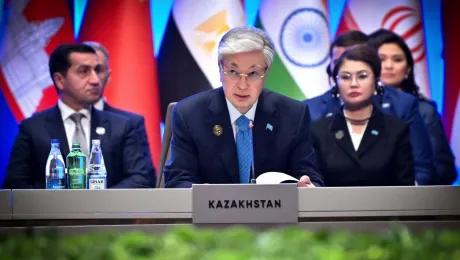

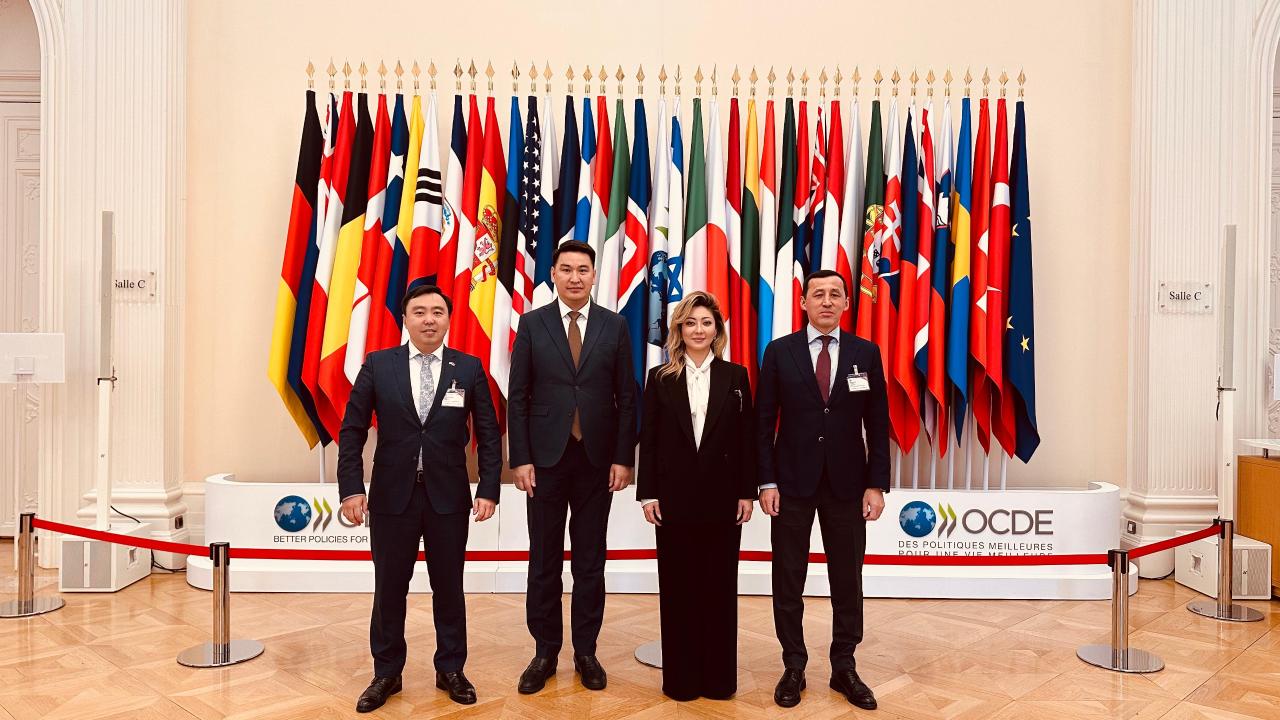
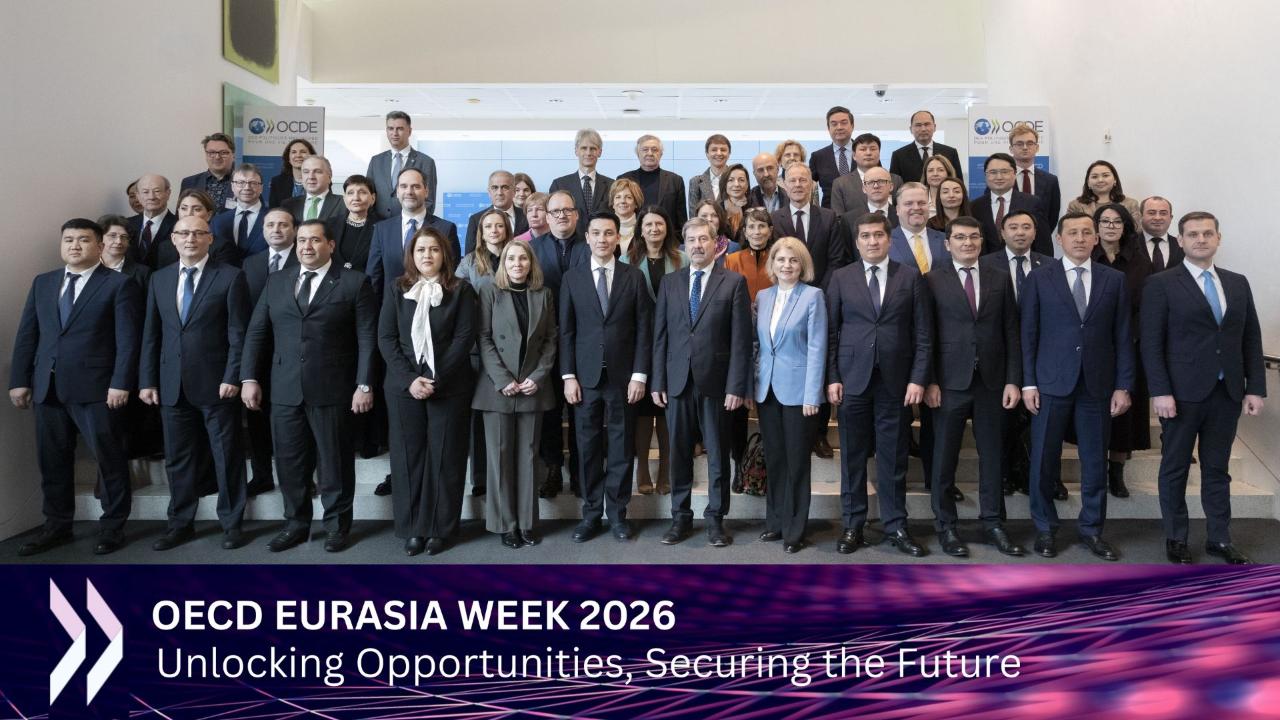
Paris briefly became the meeting point for Eurasia’s economic dialogue as the OECD Headquarters hosted the latest OECD Eurasia Week, gathering more than 200 delegates from Central Asia, Eastern Europe and the Caucasus, OECD member states, and representatives of international organizations, NGOs and business, DKNews.kz reports.
Beyond formal speeches, the forum once again served as a strategic platform where countries compared reform paths, discussed transport connectivity and explored how to strengthen regional competitiveness in a rapidly shifting global economy.
A forum shaping regional competitiveness
OECD Eurasia Week is held within the framework of the OECD Eurasia Competitiveness Programme, launched in 2008. Over the years, it has evolved into one of the region’s key policy dialogue platforms, combining analytical insights with practical recommendations aimed at boosting economic growth and institutional reforms.
Speaking at the opening session in Kazakhstan’s role as Regional Co-Chair of the Central Asia Initiative, the Kazakh delegation stressed the tangible value of OECD expertise for domestic and regional reforms.
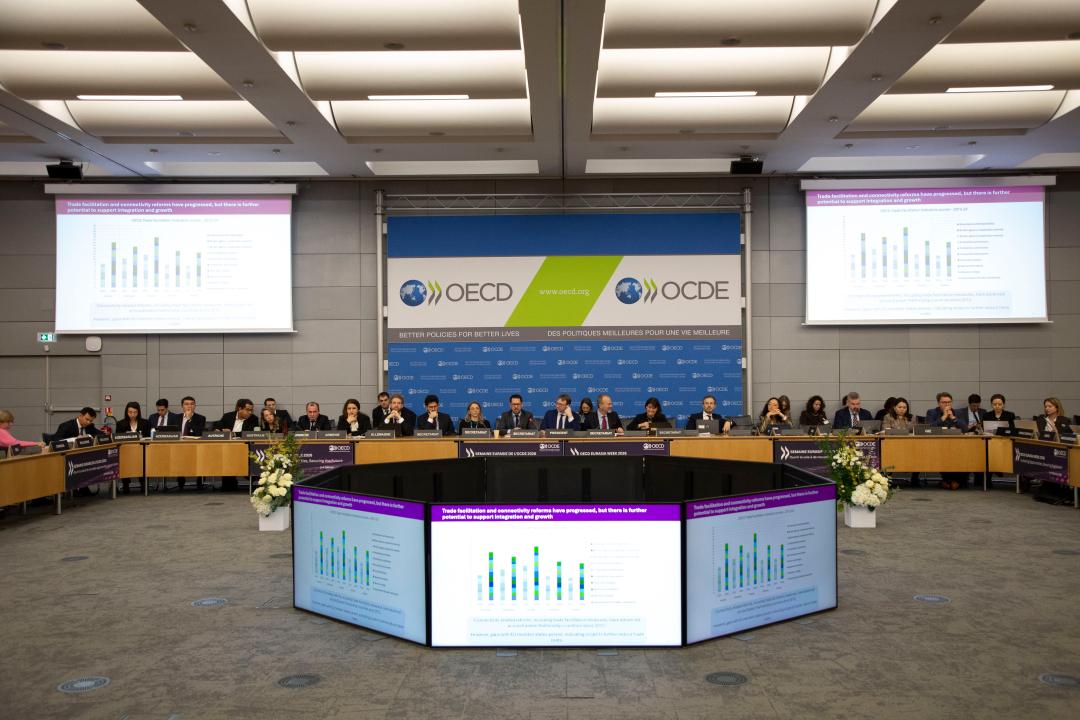
“The OECD’s high-quality analytical work and targeted recommendations play an important role in shaping and implementing reforms across key sectors of Kazakhstan’s economy and public administration, as well as across the wider region.”
The delegation also highlighted how OECD standards contribute to the continuous improvement of national legislation and reaffirmed Kazakhstan’s support for deeper regional cooperation, particularly in trade facilitation and transport connectivity.
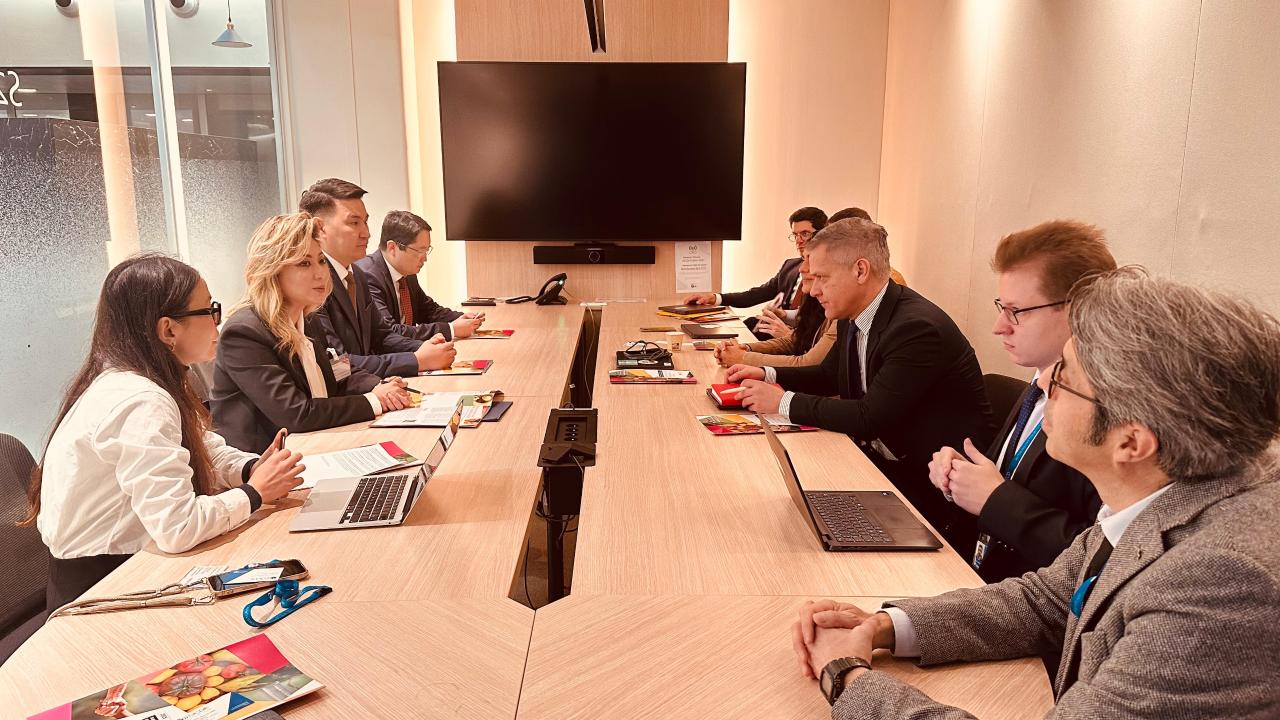
Kazakhstan’s broad representation
Kazakhstan’s delegation included Aizhan Bizhanova, First Vice Minister of Trade and Integration, Erzhan Birzhanov, Vice Minister of Finance, as well as representatives from the Ministry of National Economy, the Ministry of Industry and Construction, QazTrade Policy Development Centre, the Institute of Economic Research and the Permanent Delegation of Kazakhstan to International Organizations in Paris.
The diverse composition reflected the country’s intention to address a wide policy spectrum - from logistics and infrastructure to tax policy and investment promotion.
The Trans-Caspian Corridor takes center stage
A key focus for Kazakhstan was the Trans-Caspian International Transport Route, widely viewed as one of the region’s most promising trade corridors linking Asia and Europe.
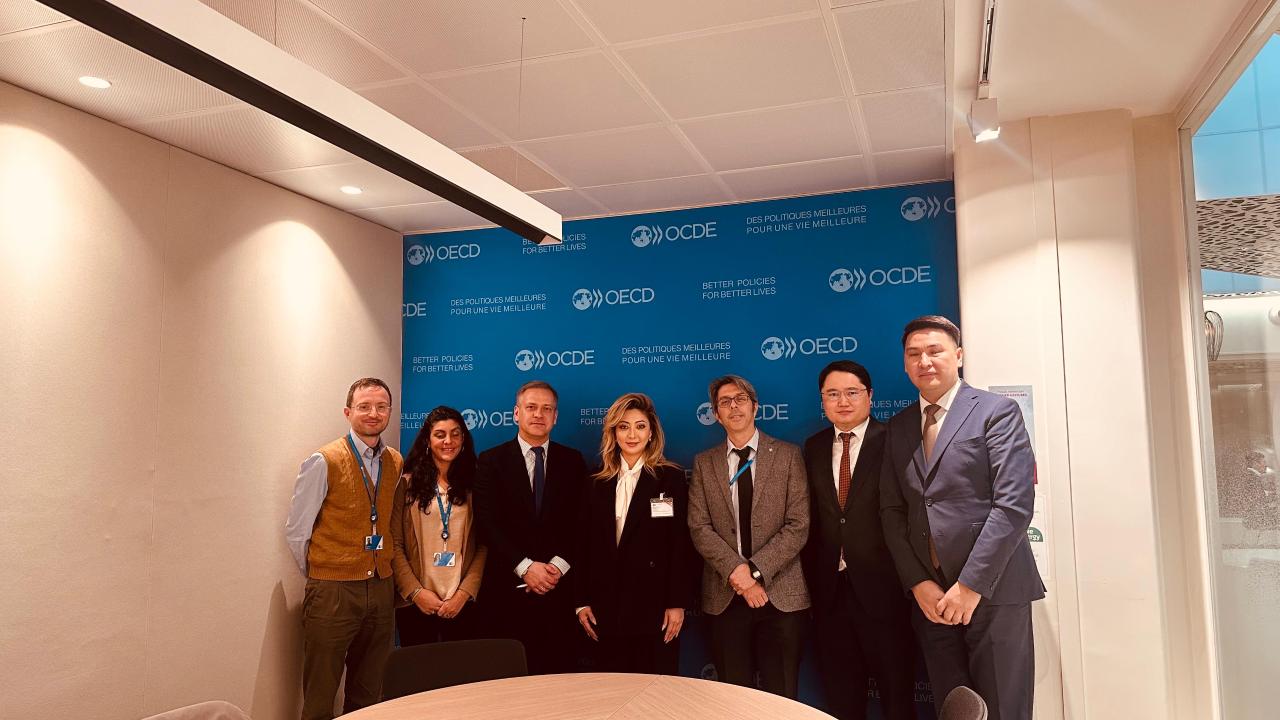
During sessions dedicated to the corridor and the Strategic Infrastructure in Asia (SIPA) Program, Aizhan Bizhanova outlined Kazakhstan’s priorities for removing institutional barriers and improving efficiency along the route.
“The role of digitalization, coordinated infrastructural solutions and coordination of trade procedures was emphasized.”
The discussions also addressed the climate dimension of infrastructure development, highlighting the need to integrate environmental sustainability principles into transport and trade systems. Cooperation within SIPA was described as an important mechanism for expanding trade flows and integrating countries into resilient global supply chains.
Critical minerals and fair taxation
Kazakhstan also played an active role in the session on critical raw materials. Vice Minister of Finance Yerzhan Birzhanov presented national approaches to tackling risks such as undervaluation of mineral resources, harmful tax incentives and transfer pricing.
He noted that provisions in the new Tax Code are designed to create competitive conditions for investors while improving transparency in the sector.
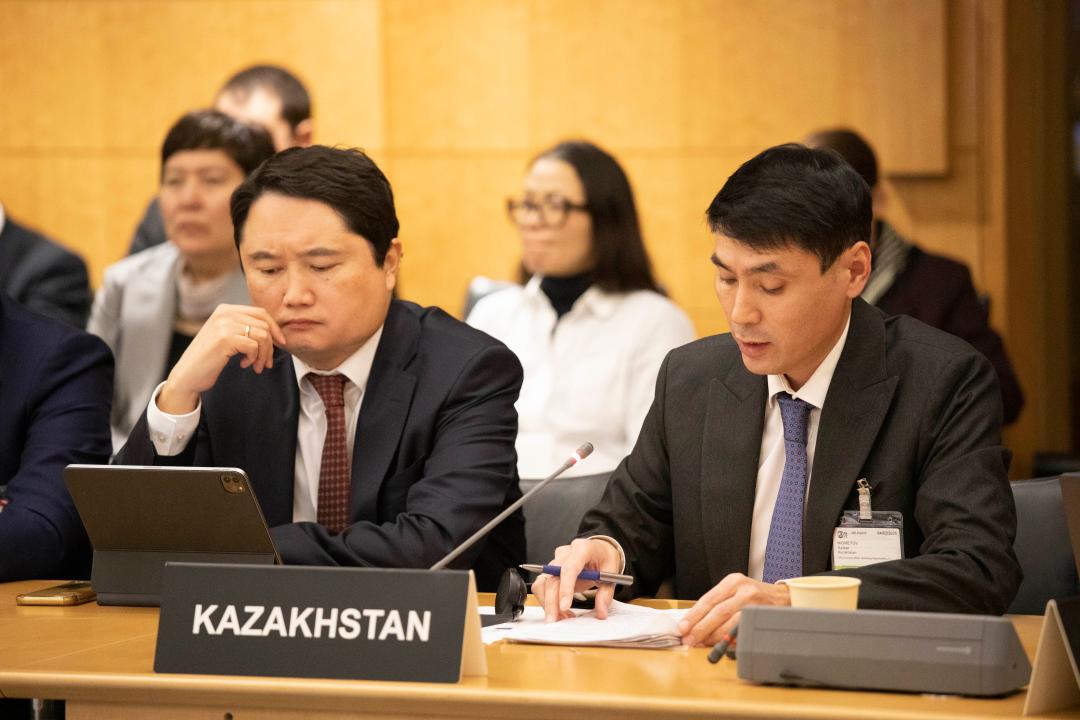
Meanwhile, Sairan Baizhakhanov, Representative of the Ministry of Industry and Construction of Kazakhstan to the European Union, shared Kazakhstan’s experience in applying OECD standards on responsible business conduct, particularly in the mining industry where sustainability and transparency are increasingly central to investment decisions.
Reforming state enterprises and boosting exports
During the session on the competitiveness of Eurasian economies, Kaisar Nigmetov, Deputy Chair of the Board of the Institute of Economic Research, presented Kazakhstan’s regulatory and governance reforms aimed at reducing market distortions and improving the efficiency of state-owned enterprises.
He underlined the OECD’s ongoing support for Kazakhstan and other regional economies in advancing structural reforms and strengthening corporate governance.
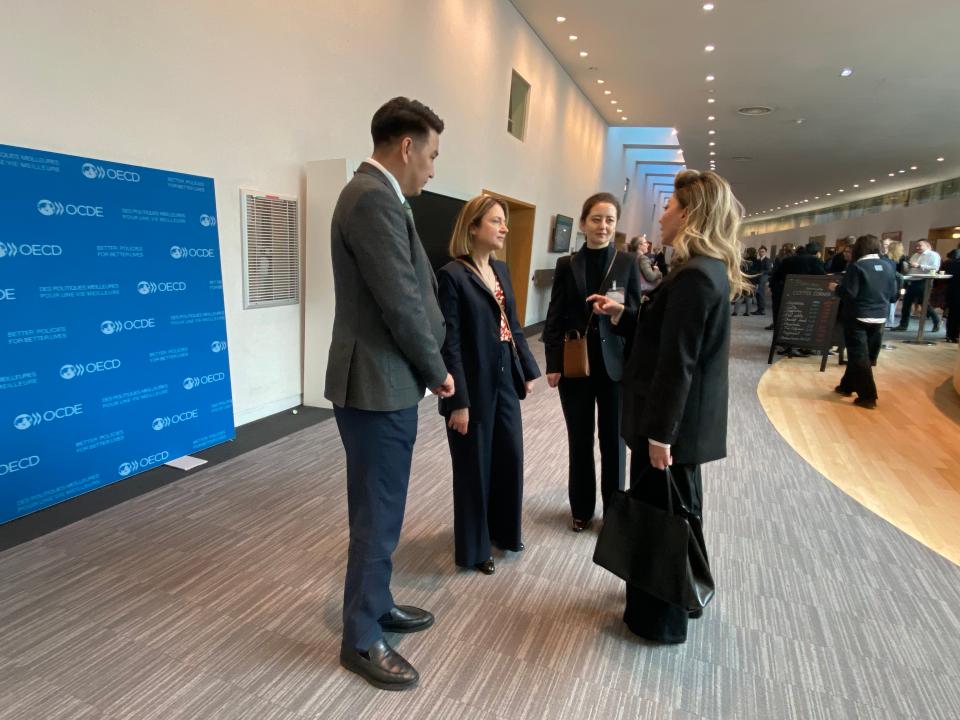
Nurlan Kulbatyrov, Deputy Director General of QazTrade, highlighted practical steps taken to streamline international trade procedures, diversify exports and attract investment - priorities that remain central to Kazakhstan’s economic strategy.
Sustainability and future cooperation
Kazakhstan also used the platform to inform participants about the upcoming Regional Environmental Summit in Astana scheduled for 22-24 April, thanking the OECD for its partnership in shaping the event’s substantive agenda.
The announcement reflected the country’s growing focus on sustainability and its ambition to position itself as a regional hub for dialogue on climate and green development.
More than dialogue
Alongside the official sessions, the Kazakh delegation held a series of bilateral meetings with OECD officials and representatives of participating countries. Such engagements often translate into concrete cooperation projects, policy exchange and investment opportunities.
OECD Eurasia Week once again demonstrated that the region’s economic transformation is being shaped through collaboration. For Kazakhstan, participation in the forum is not merely diplomatic routine but part of a broader strategy to strengthen transport corridors, modernize taxation, promote responsible resource development and deepen integration into global markets.
As Eurasia navigates geopolitical shifts and evolving supply chains, platforms like OECD Eurasia Week continue to play a critical role - offering countries both a voice in shaping regional priorities and access to global best practices driving reform.