
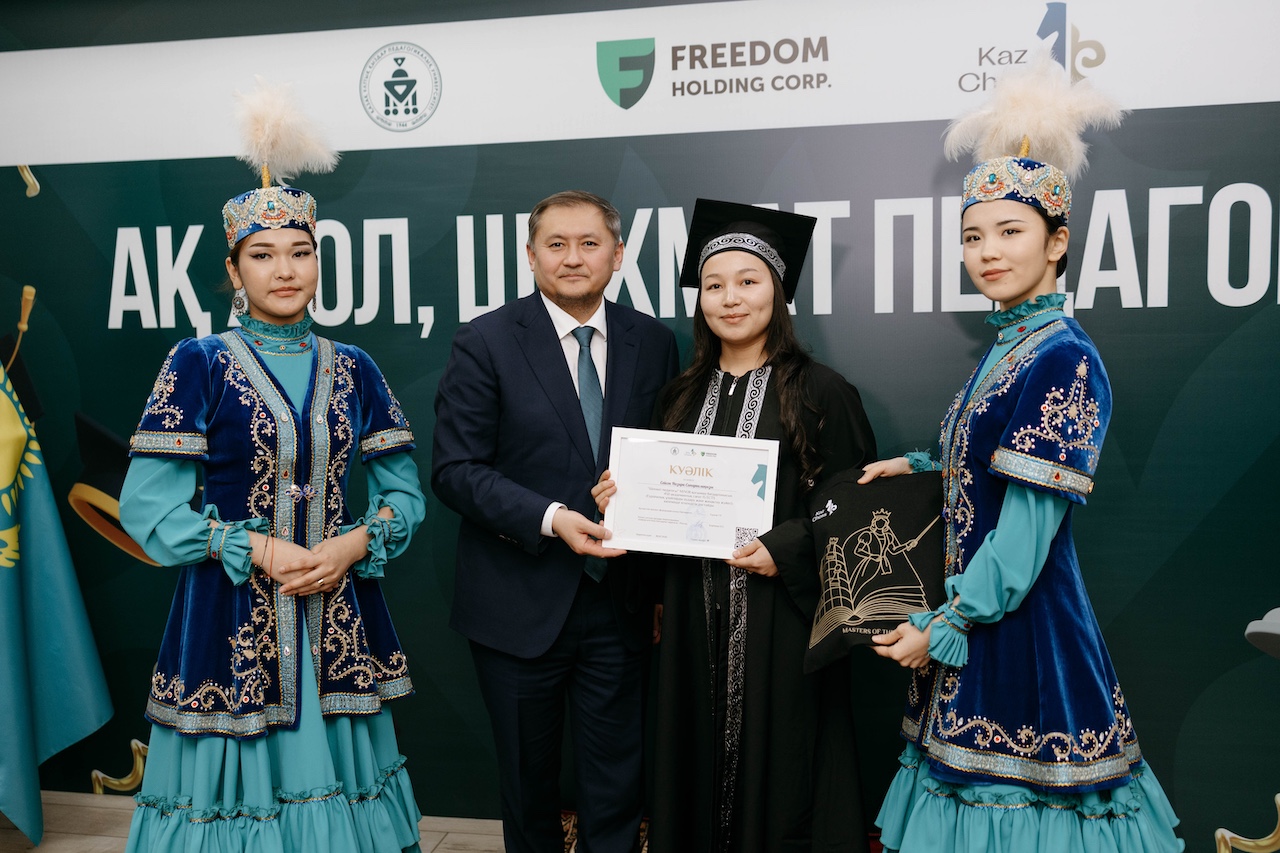
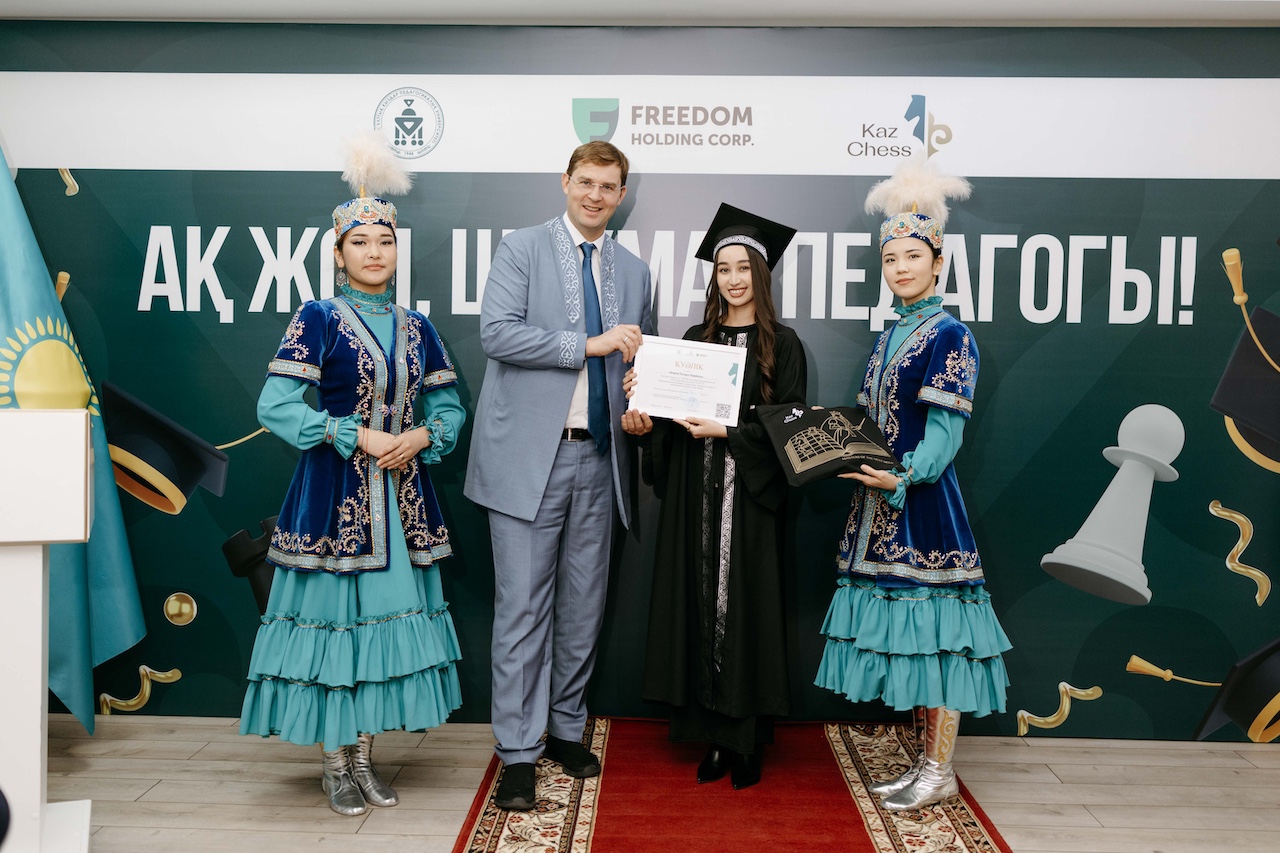
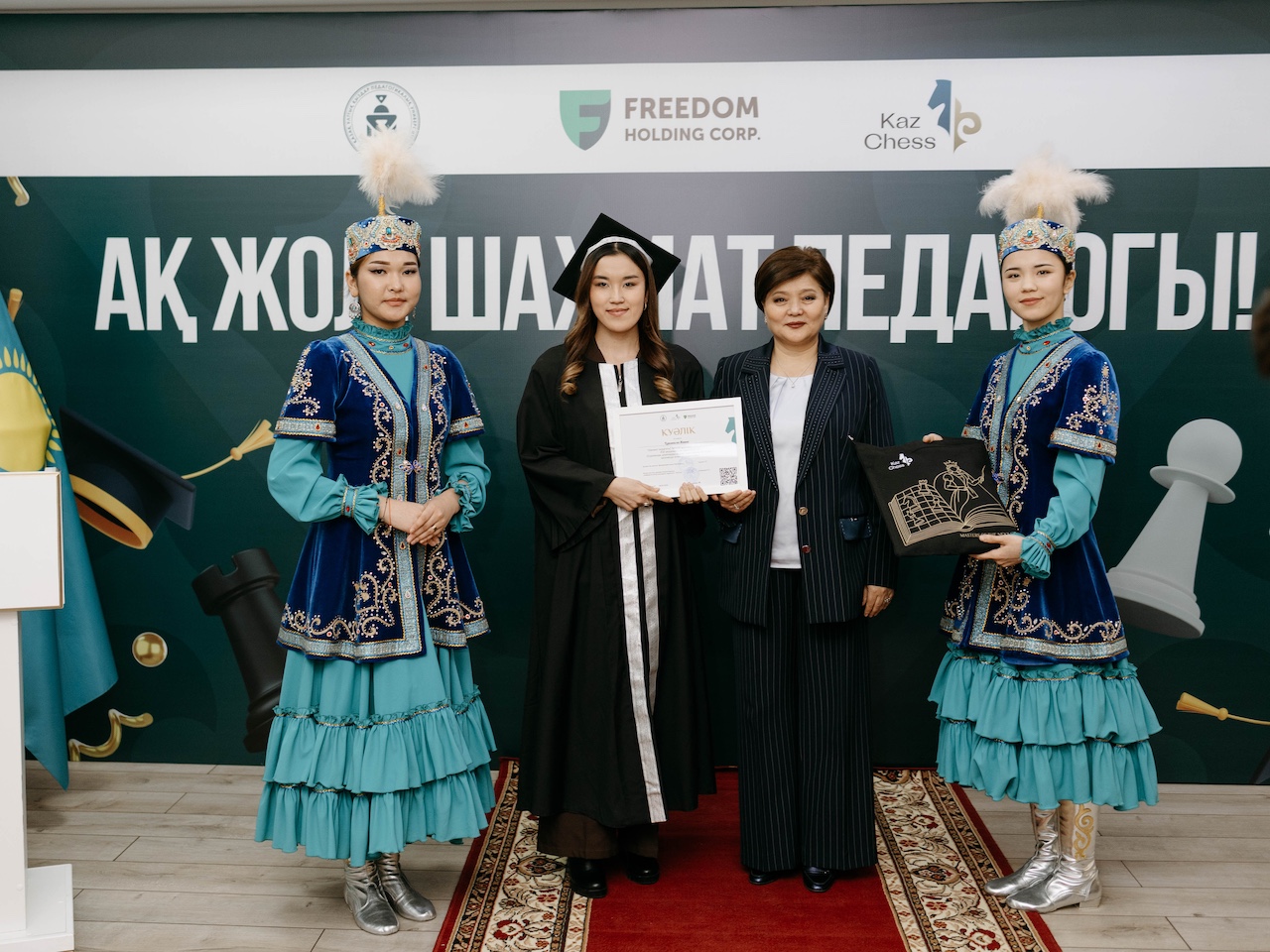
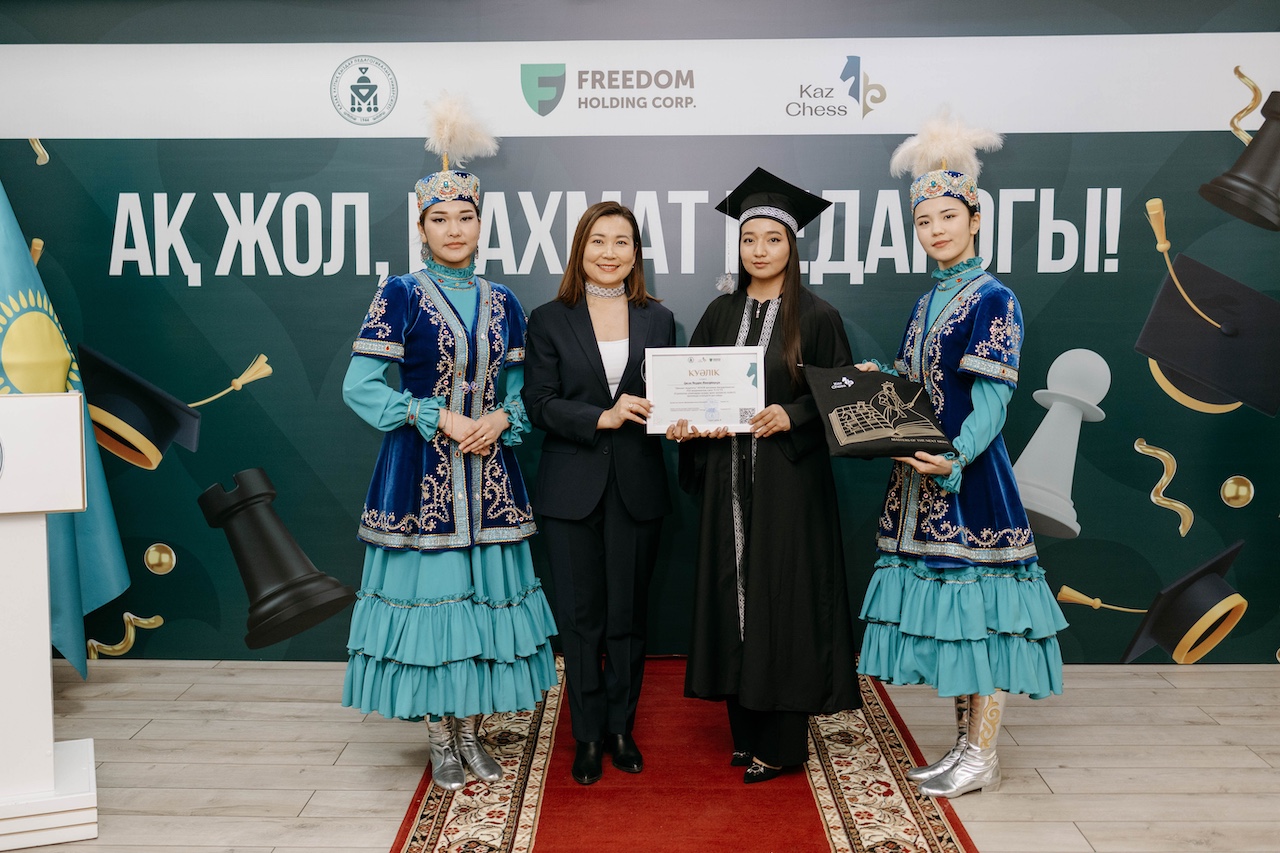
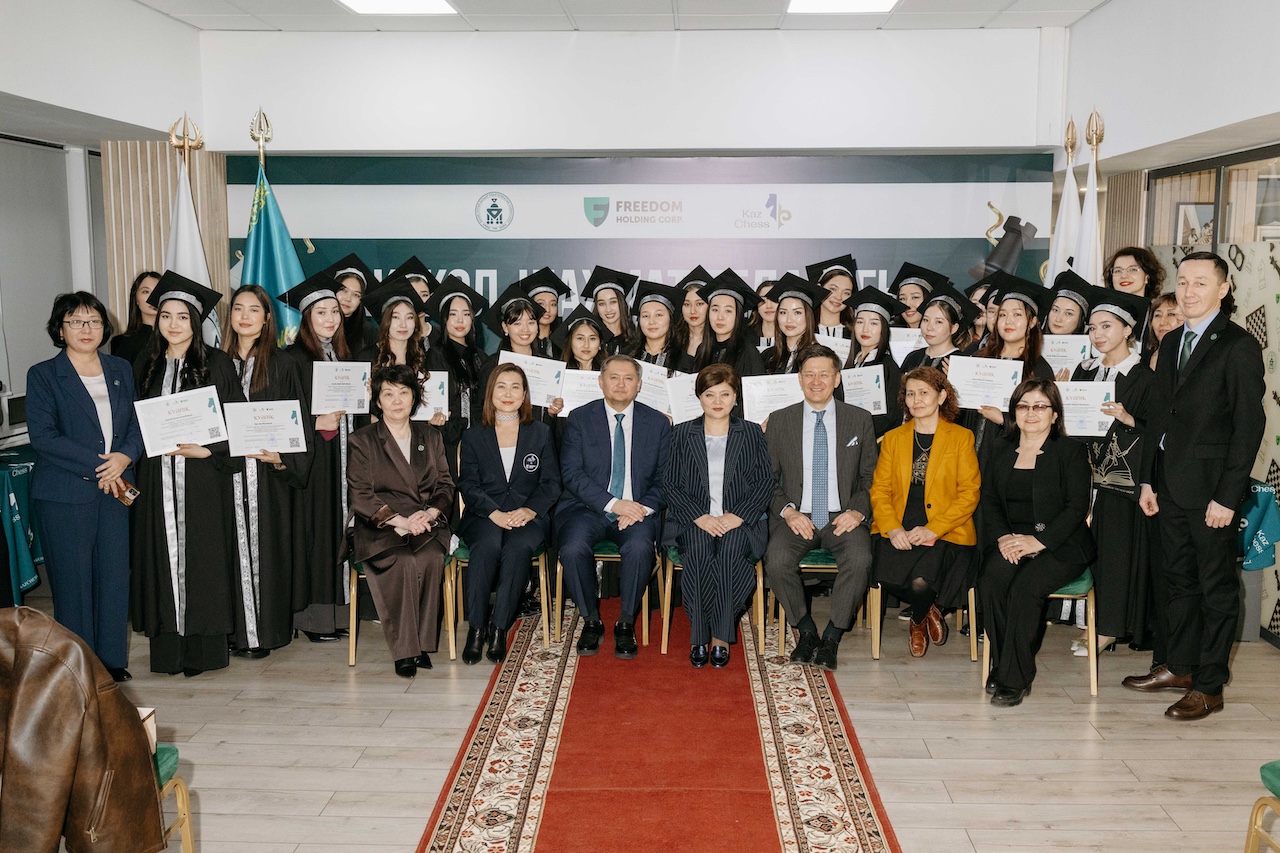
A milestone moment for Kazakhstan’s education system unfolded in Almaty on February 19. The Kazakh National Women’s Pedagogical University (QyzPU) officially opened the country’s first KazChessLab and awarded certificates to the first 25 graduates of the Minor program “Chess Educator”, DKNews.kz reports.
More than just a university event, the launch signals a growing effort to integrate chess into classrooms and use it as a tool for developing students’ thinking skills from an early age.
 Erbol Otarbaev/KazChess
A space where chess meets education
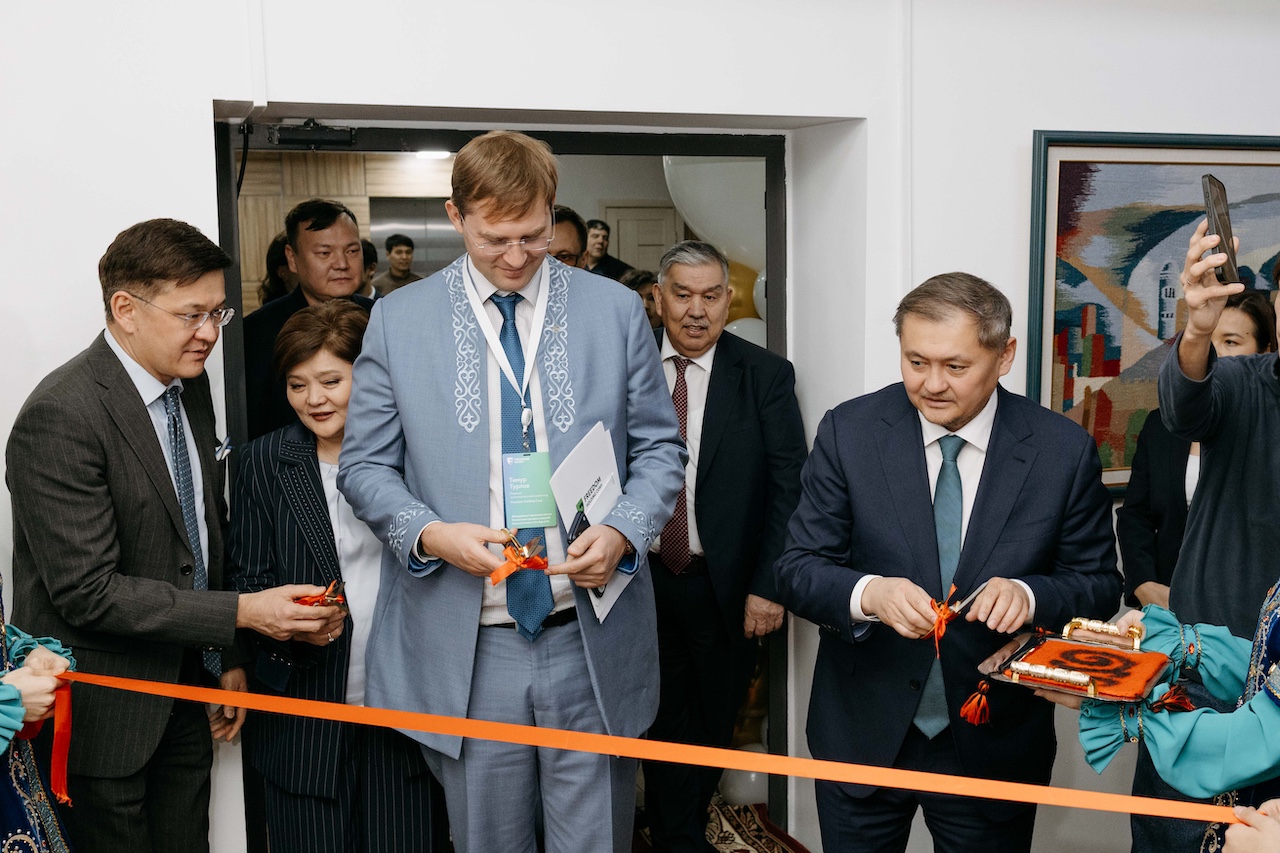
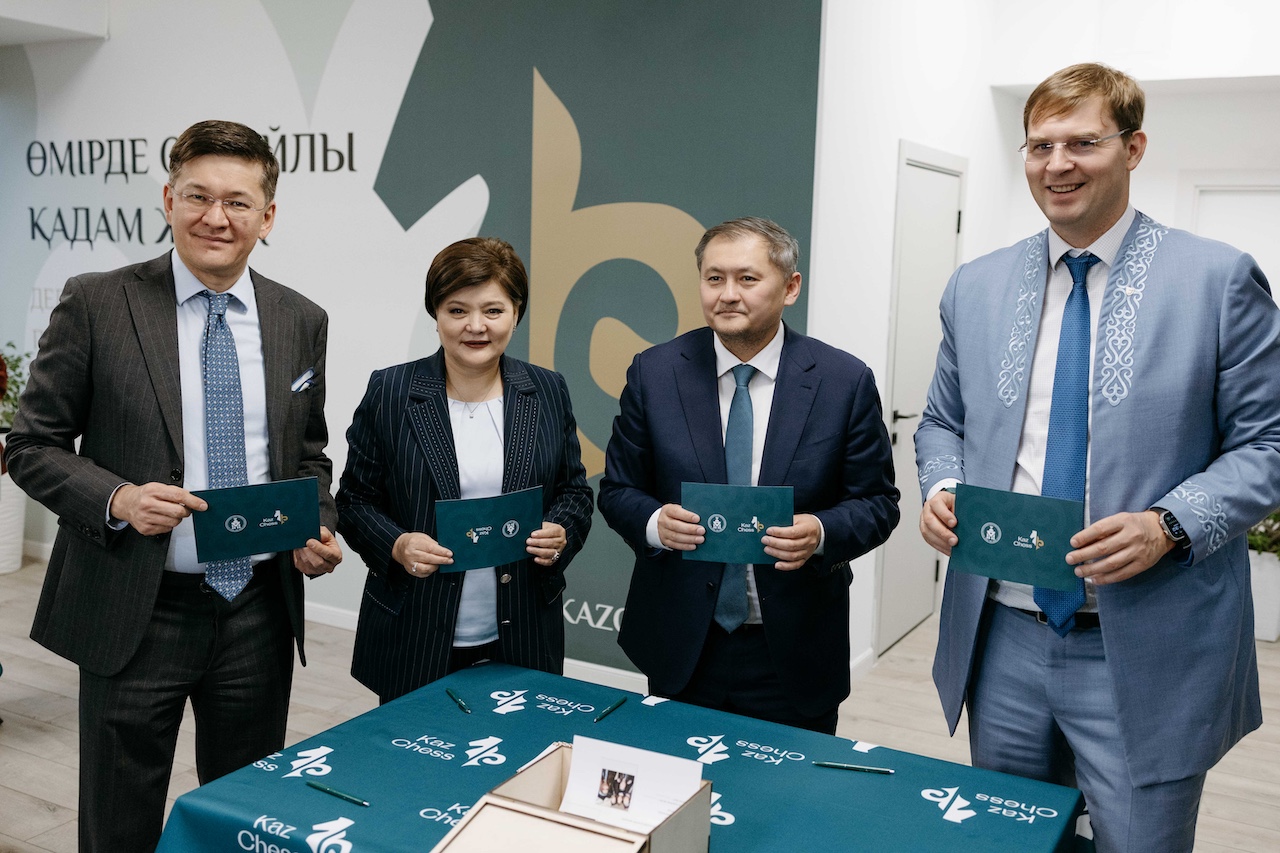
The ceremony brought together Minister of Science and Higher Education Sayasat Nurbek, President of the Kazakhstan Chess Federation Timur Turlov, university rector Beibitkul Karimova, First Vice President of the federation Darmen Sadvakasov, and Executive Director Gulmira Dauletova. Guests cut the symbolic ribbon, toured the new facility, and placed a time capsule - a gesture reflecting long-term ambitions to expand chess education in schools across the country.
 Erbol Otarbaev/KazChess
KazChessLab combines several roles at once: a chess club, a methodological center, and a training hub for future teachers. The Kazakhstan Chess Federation equipped the laboratory, while the university provided the academic base. The space will host masterclasses, research seminars, student practicums, and the development of new curricula.
Its core mission is clear - to prepare qualified educators capable of teaching chess professionally in primary schools.
 Erbol Otarbaev/KazChess
Chess as an answer to the digital age
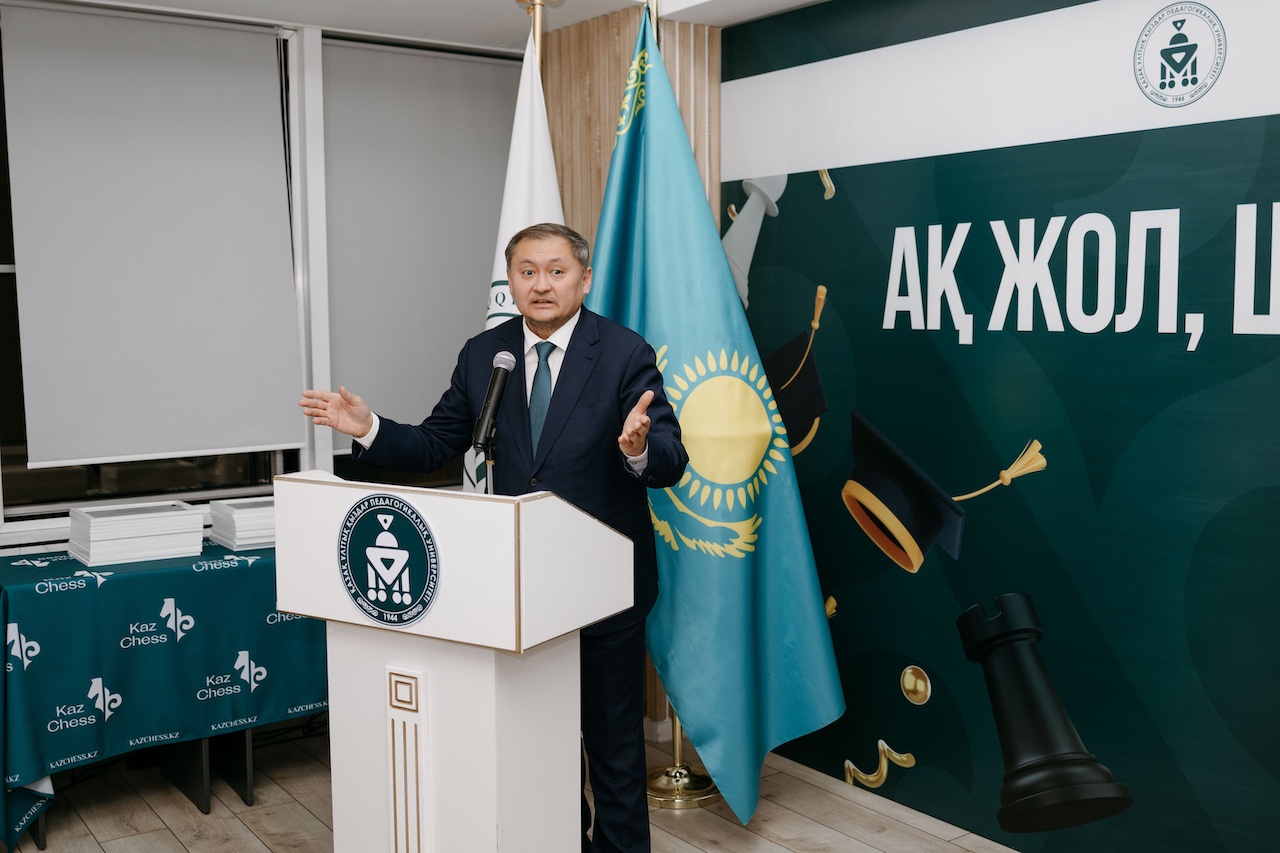
In his speech, Minister Sayasat Nurbek emphasized the importance of integrating tools that support intellectual development into modern education.
 Erbol Otarbaev/KazChess
“Today, in the era of digitalization and artificial intelligence, one of the biggest challenges is the weakening of people’s intellectual potential. Another issue is concentration: there is simply too much information, and the ability to think systematically and abstractly is declining. Numerous studies confirm this. One of the key strengths of chess is that it teaches systematic thinking to everyone - children and adults alike. It helps a person focus on one task and think deeply about a single problem. This is especially important for our teenagers and young people. These are qualities and skills that can be developed. Specialized Minor programs for chess teachers have already been introduced at five leading universities.”
His remarks highlight chess not just as a game, but as a method for strengthening attention, analytical thinking, and problem-solving skills.
A new stage for Kazakhstani chess
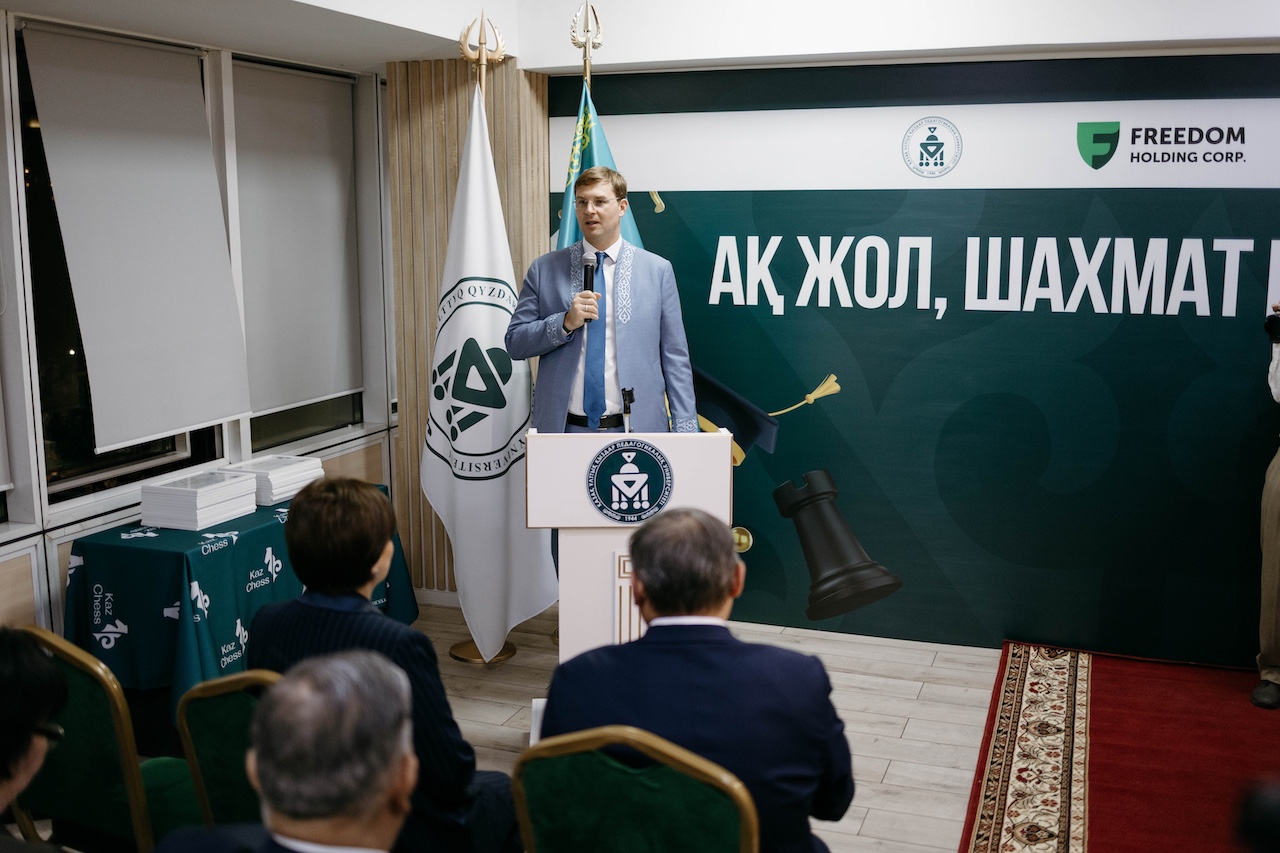
Kazakhstan Chess Federation President Timur Turlov described the laboratory’s opening as the culmination of years of work and a step toward embedding chess within the national education system.
 Erbol Otarbaev/KazChess
“Kazakhstani chess has been moving toward this for several years, and today it has taken its place in the national education system. We have awarded diplomas to the first 25 chess educators. It seems there has never been anything like this in Kazakhstan’s history. These young professionals will not only teach children the rules of the game but will also become mentors and guides into the world of intellectual growth. But we want to go even further. That is why we are launching the country’s first next-generation chess competency center - KazChessLab - where the best teaching methodologies will be tested and improved. I am confident that the synergy of modern infrastructure, a strong pedagogical school, and state support will elevate Kazakhstani chess and chess education to an entirely new level.”
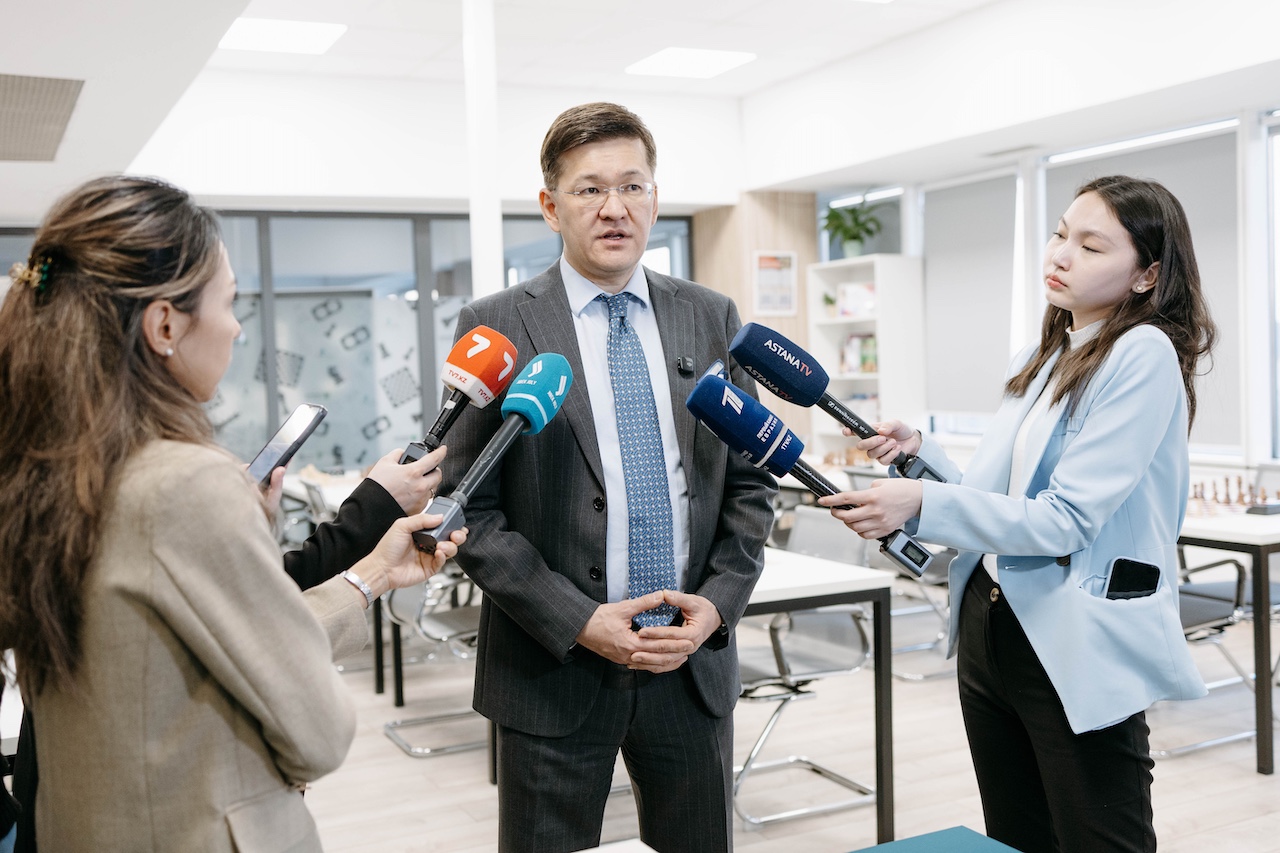
First Vice President Darmen Sadvakasov stressed that large-scale implementation of chess in schools depends on building a strong teacher training system.
 Erbol Otarbaev/KazChess
“For us, implementing the chess-in-schools program is a top priority. Effective implementation requires systematic teacher training and serious methodological support. We are grateful to Minister Sayasat Nurbek and QyzPU for supporting the initiative to open KazChessLab, which will allow us to organize methodological work at a much more structured level.”
A project years in the making
KazChessLab did not appear overnight. Its foundation was laid in January 2025 when QyzPU and the federation signed a strategic partnership agreement. That spring, lectures featuring leading chess players inspired students; in the summer, teachers from seven regions completed advanced training; and in September, the laboratory received high praise from international FIDE experts during the III International Conference “Chess in Education.”
 Erbol Otarbaev/KazChess
Today, chess is taught in 1,500 schools across 20 regions of Kazakhstan, reaching more than 60,000 primary school students. This means the target of the national chess development plan for 2023-2027 was achieved ahead of schedule. The “Chess Educator” program now operates in seven pedagogical universities with more than 200 students enrolled.
 Erbol Otarbaev/KazChess
The momentum is further reinforced by FIDE declaring 2026 the Year of Chess in Education, placing Kazakhstan among the countries actively shaping this global movement.
 Erbol Otarbaev/KazChess
A new profession shaping future generations
For the first 25 graduates, certification represents more than completion of a course. It marks the emergence of a new professional pathway - primary school chess teachers trained to integrate intellectual games into the learning process.
 Erbol Otarbaev/KazChess
Chess teaches children to plan, analyze, anticipate consequences, and celebrate small victories. These are life skills that extend far beyond the board.
 Erbol Otarbaev/KazChess
The opening of KazChessLab shows how chess in Kazakhstan is gradually evolving from a sport into an educational tool and a strategic investment in intellectual development. If this momentum continues, chessboards may soon become as common in classrooms as textbooks and notebooks.
 Erbol Otarbaev/KazChess