
In a world increasingly shaped by geopolitical uncertainty, Kazakhstan is once again positioning itself as a voice of balance and diplomacy.
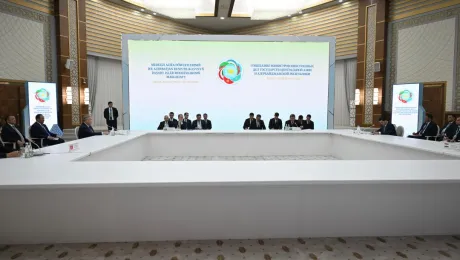
During a recent meeting in Astana, President Kassym-Jomart Tokayev received the Ambassador of the United Arab Emirates to Kazakhstan, Mohamed Saeed Mohamed Alariqi. What might have seemed like a routine diplomatic encounter quickly took on broader significance, reflecting deeper regional concerns and Kazakhstan’s growing role as a mediator on the global stage, DKNews.kz reports.
A “Brotherly” Partnership That Goes Beyond Formalities
Tokayev подчеркнул, что отношения между Казахстаном и ОАЭ — это не просто дипломатия, а «традиционно близкое и братское сотрудничество». Over the past years, ties between the two countries have steadily expanded — from investment and trade to energy, logistics, and innovation.
The President highlighted that both nations share aligned positions on key international issues, which has helped them build trust — a rare commodity in today’s fragmented geopolitical climate.
But this meeting was not just about strengthening bilateral relations. The tone shifted when the conversation turned to the Middle East.
Concern Over Escalation: Kazakhstan Speaks Out
Tokayev expressed serious concern over the escalating situation in the region, particularly referencing attacks linked to Iran targeting the UAE.
Kazakhstan, he noted, was among the first countries to openly condemn strikes on civilian infrastructure. This stance wasn’t just symbolic — it was also directly communicated to UAE leadership, including President Mohamed bin Zayed Al Nahyan.
For Kazakhstan, the issue goes beyond one country. It’s about principles.
- Respect for sovereignty
- Protection of civilian infrastructure
- Avoiding the involvement of neutral states in conflicts
These are not just diplomatic phrases — they form the backbone of Kazakhstan’s foreign policy identity.
A Consistent Message: No to Escalation, Yes to Dialogue
Astana’s position is clear: the conflict must not spread further.
Kazakhstan opposes dragging neutral countries into military actions and warns against violations of territorial integrity across the Gulf region. Instead, Tokayev emphasized the need for de-escalation and a transition toward diplomacy.
And here comes the key point — Kazakhstan isn’t just calling for peace. It’s offering to help make it happen.
Tokayev reaffirmed the country’s readiness to provide a neutral platform for negotiations if needed. This is not a new role for Kazakhstan, which has previously hosted international talks and positioned itself as a bridge between conflicting sides.
Why Kazakhstan’s Voice Matters Now
In a time when many countries are choosing sides, Kazakhstan is choosing something else — dialogue.
Its geographic position, balanced foreign policy, and experience in mediation give it a unique advantage. While it may not be a major military power, it is increasingly becoming a diplomatic one.
Ambassador Alariqi, in turn, expressed appreciation for Kazakhstan’s firm commitment to the principles of the UN Charter and its consistent support for sovereignty and security — not only of the UAE but of all Gulf Cooperation Council states.
The Bigger Picture
This meeting is more than just a bilateral discussion — it reflects a shifting global dynamic where middle powers like Kazakhstan are stepping into roles traditionally occupied by larger players.
As tensions continue to rise in the Middle East, voices calling for restraint and negotiation are becoming more valuable than ever.
And Kazakhstan seems determined to be one of them.