


On March 27–28, the Astana Ballet Theatre hosted the premiere of “Bolero X” — a modern ballet choreographed by Israeli choreographer Shahar Binyamini and inspired by the legendary score of French composer Maurice Ravel, DKNews.kz reports.
The production offered not just a staging of familiar music, but a bold reimagining of its structure, rhythm and meaning.
A choreographic ritual, not an illustration
“Bolero X” moved beyond traditional interpretation, transforming Ravel’s iconic composition into a powerful theatrical ritual.
Known for its hypnotic rhythm and gradual build-up of tension, the score evolved on stage through movement, repetition and collective energy — becoming the central expressive language of the performance.
One body, fifty dancers
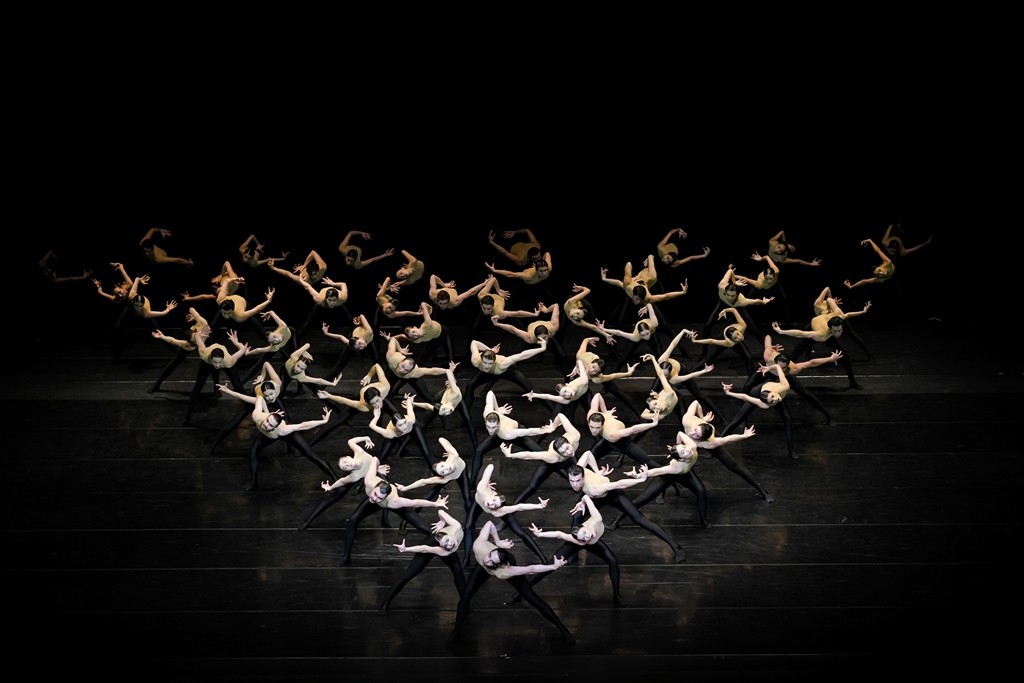
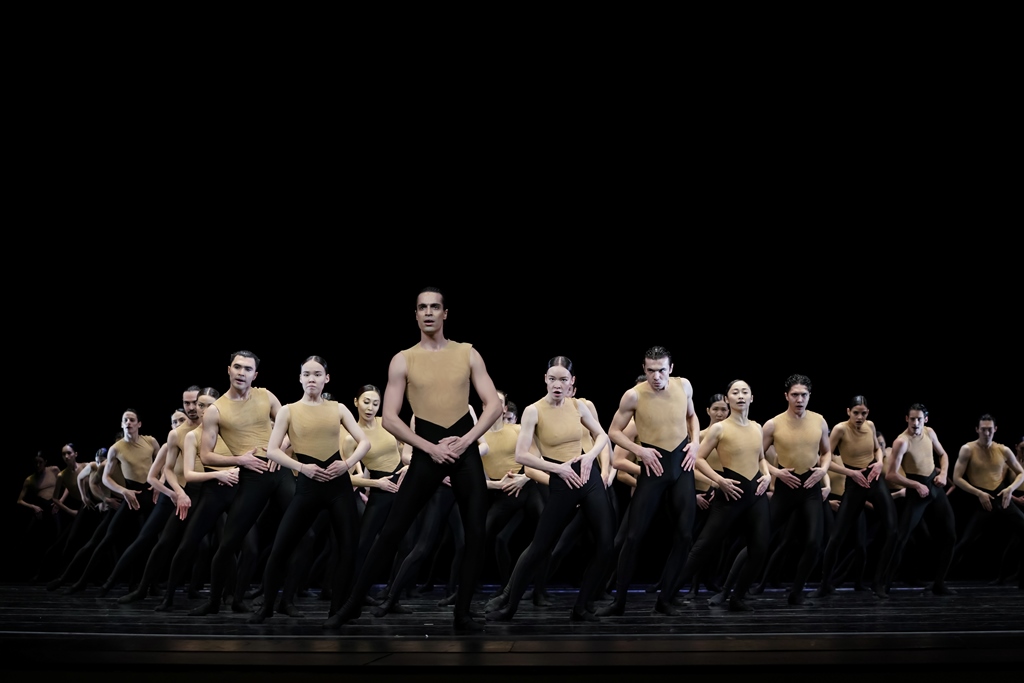
At the core of the production was a large-scale choreography involving around 50 dancers.
Instead of focusing on individual performers, Binyamini treated the ensemble as a single organism, exploring:
- unity and shared identity
- interaction between individual and group
- fluid transformations in group dynamics
- embodiment of rhythm through physical movement
The stage turned into a space of shared breathing, where dancers moved as one evolving system, amplifying the emotional intensity of the performance.
From minimalism to climax
The choreography unfolded in parallel with the structure of “Boléro.”
It began with restraint and simplicity, gradually building toward a powerful climax where visual density and physical energy reached their peak.
Repetition in the performance was not mechanical — it carried meaning, revealing deeper philosophical and emotional layers of the work.
The meaning behind “X”
The letter “X” in the title symbolized intersection and multiplication.
It represented the points where:
- past and present meet
- individual merges with collective
- music connects with movement
Through this concept, “Bolero X” became a dialogue between classical musical heritage and contemporary choreographic thinking.
Global recognition and artistic scale
The production has already achieved international acclaim, becoming a notable work on the global stage.
“Bolero X” has been performed across Europe, North America and Asia, and staged by leading companies such as Ballet BC, as well as in collaboration with institutions like Tanz Akademie Zurich.
It has often been included in mixed ballet and contemporary dance programs and presented with both recorded and live music.
Voices from the stage
Assistant choreographer Joseph Kudra praised the Astana Ballet dancers:
“The artists of the Astana Ballet are simply incredible. Their technique, flexibility and physical capabilities are astonishing. Their bodies seem to have an innate understanding of ballet, making for a truly captivating performance. They have so much potential and so many opportunities, perhaps some of which they have not even thought about. I count myself very fortunate to be working alongside such talented and capable artists. My goal is to open new doors and introduce new ideas and ways of moving for them. It is not only about the physics of the body and pushing the boundaries of what is possible, but also about revealing their consciousness: how they approach movement from a deeper inner state, and not just as a set of steps.”
Expanding the evening programme
As part of the event, the audience was also presented with the ballet “Orpheus and Eurydice,” expanding the artistic scope of the evening and enriching the theatre’s repertoire.
A milestone for Astana’s cultural scene
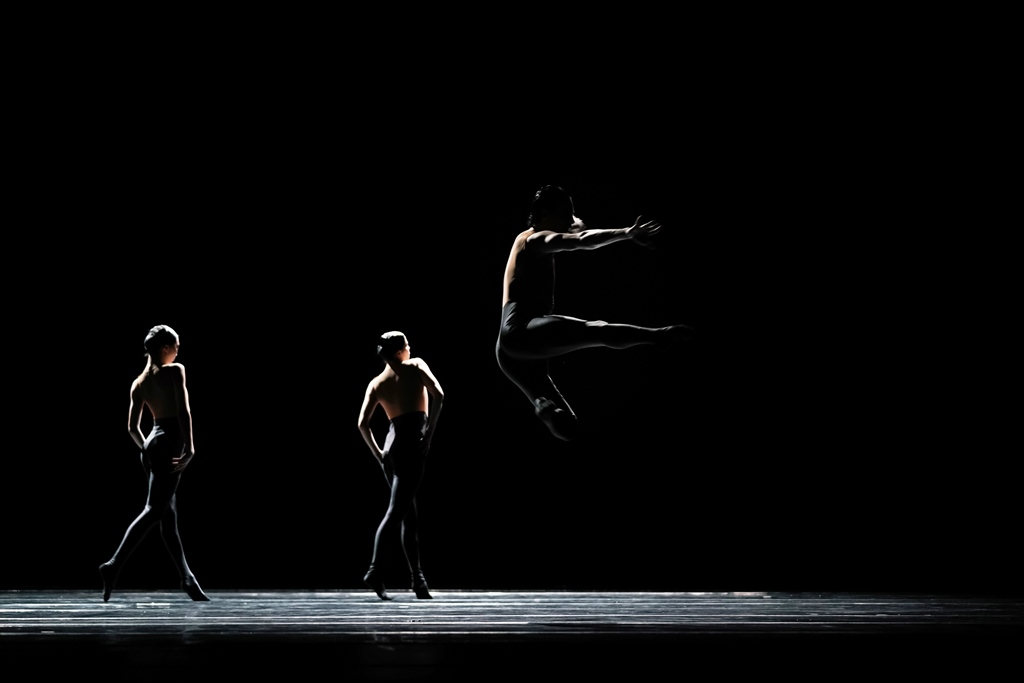
“Bolero X” is widely regarded as one of Shahar Binyamini’s most significant works, contributing to his global recognition as a leading contemporary choreographer.
The premiere in Astana was accompanied by the theatre’s Symphony Orchestra under the direction of chief conductor Arman Urazgaliyev.
The event marked an important moment for the capital’s cultural life, offering audiences a rare opportunity to experience one of the most striking examples of modern ballet on the international stage.
The production was supported by the Ministry of Culture and Information of the Republic of Kazakhstan.
Why this matters
The premiere reflects broader cultural shifts in Kazakhstan:
- growing openness to contemporary and experimental art
- integration into the global cultural and creative space
- strengthening of local artistic institutions
- development of new forms of audience engagement
It also highlights the country’s ambition to position Astana as a regional center for high-level performing arts.