

The home stage of the Fencing World Cup in Astana turned out to be more than just historic. The event became a true breakthrough for Kazakhstani sport, as well as a serious emotional test for the country’s athletes, since Kazakhstan hosted a World Cup stage in this discipline for the first time in its history.
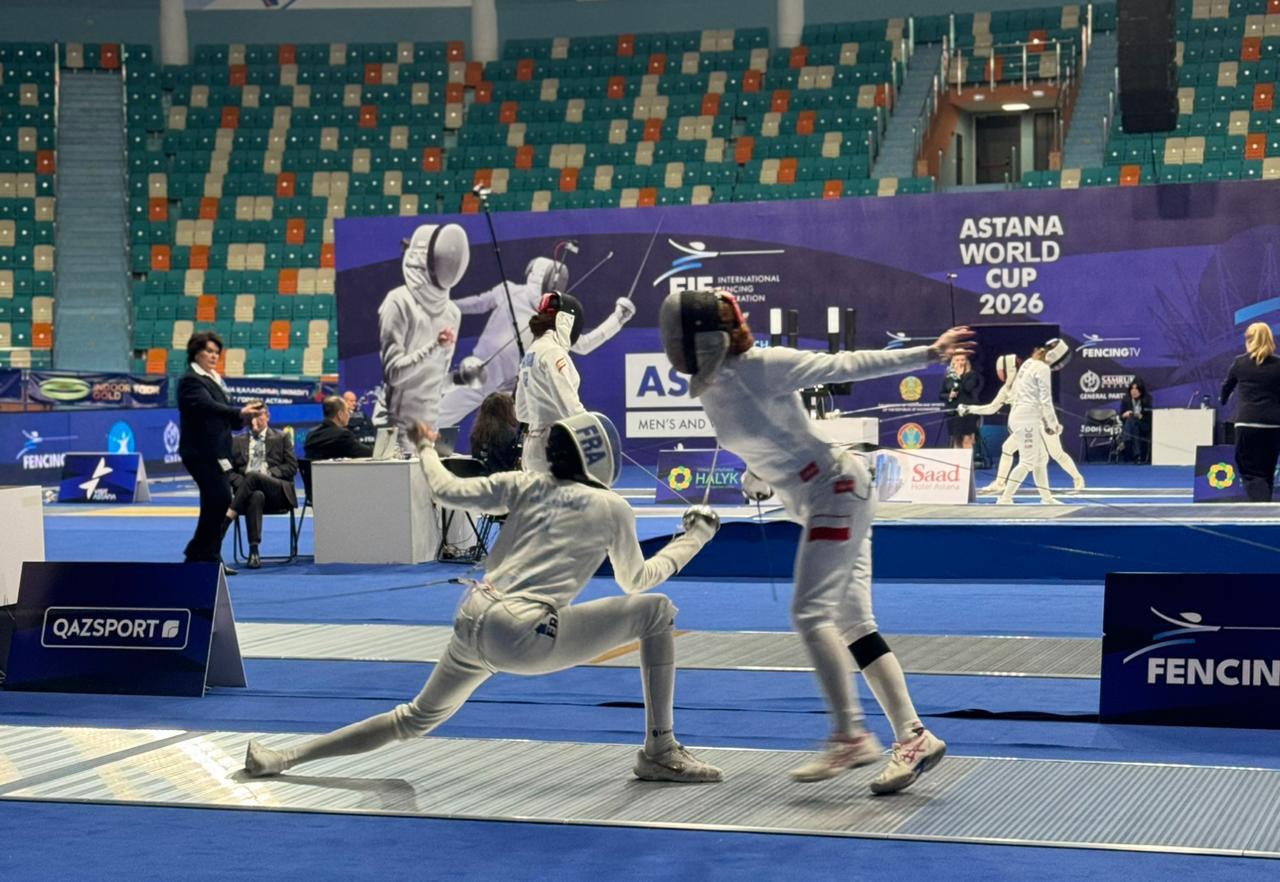
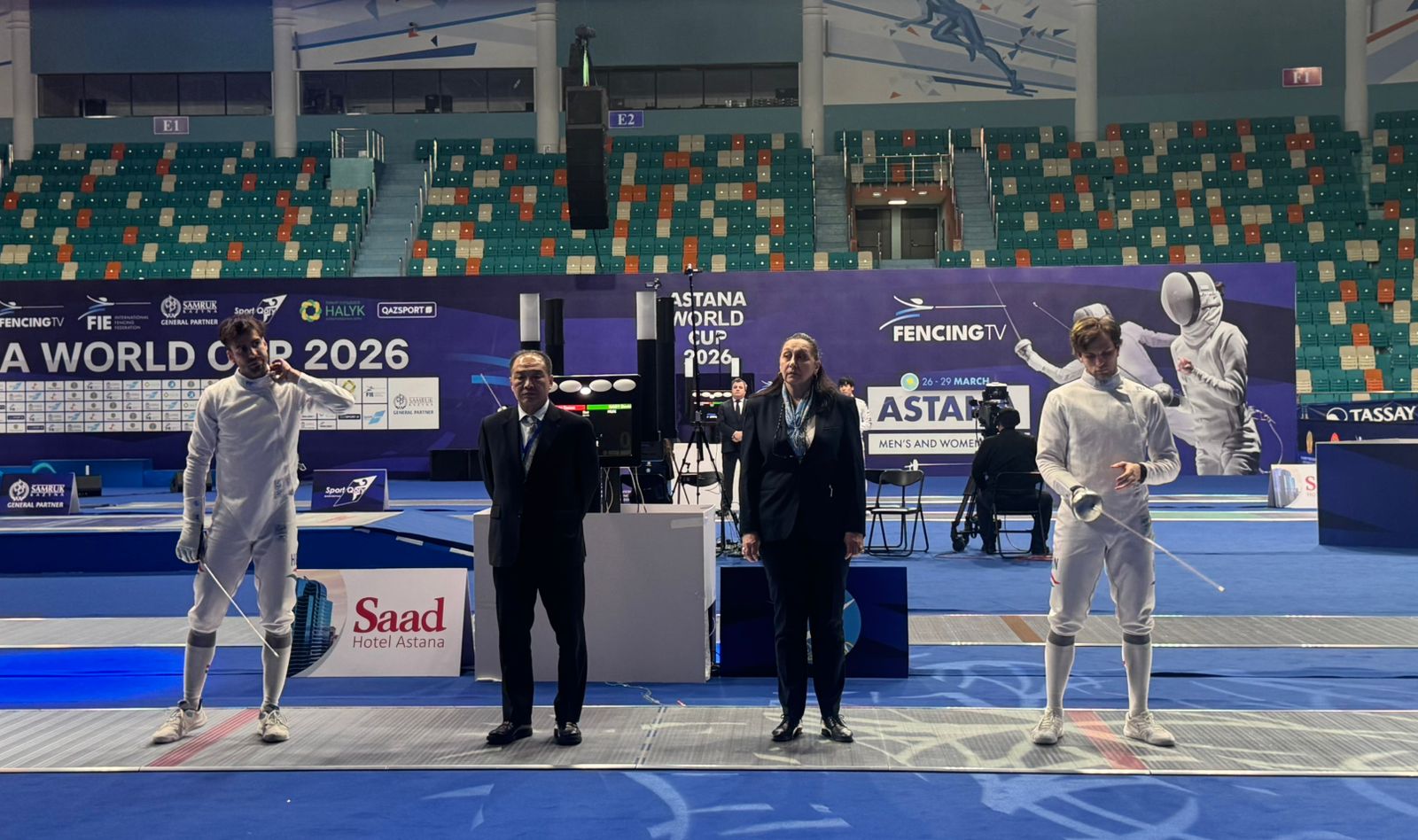
The tournament was held under the auspices of the International Fencing Federation (FIE) and brought together more than 500 athletes from over 60 countries. Kazakhstan was represented by 30 fencers. Following the qualification rounds among men, Yerlik Sertay, Kirill Prokhodov, and the country’s leading star, Ruslan Kurbanov, advanced to the main draw. Among women, Irina Bakaldina reached the main stage of the competition.
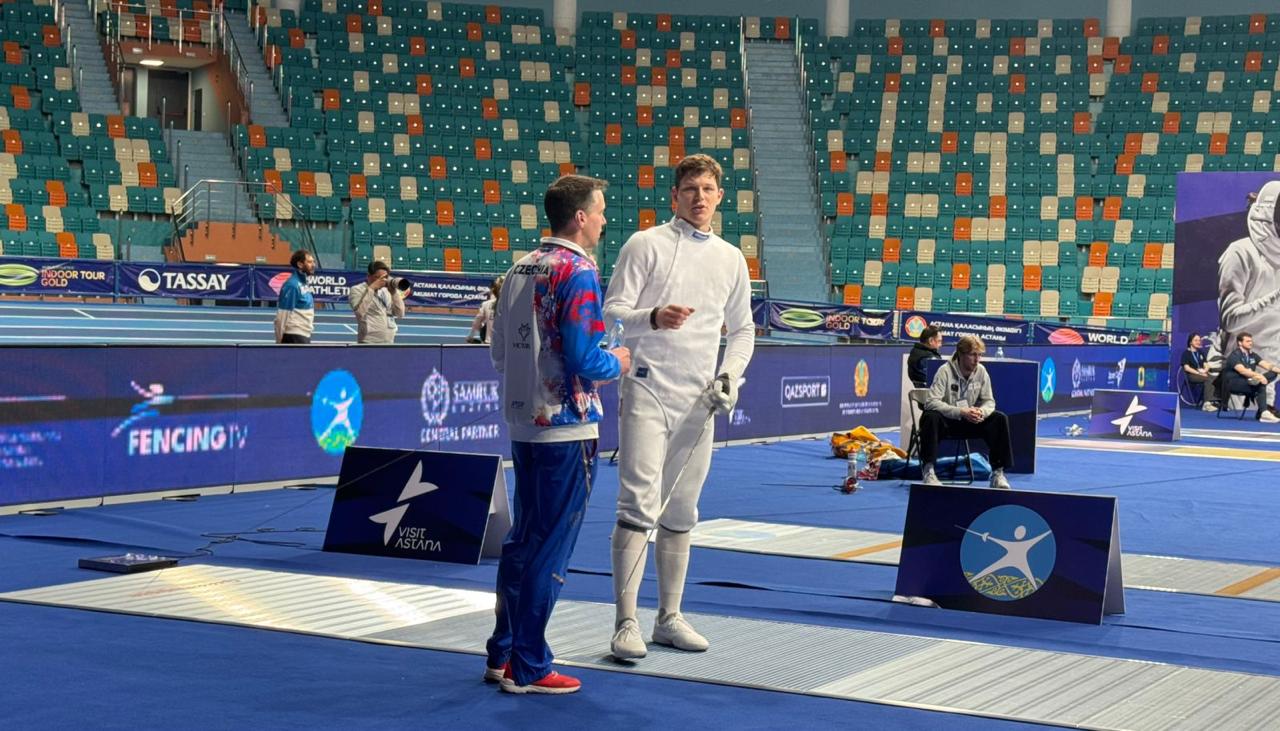
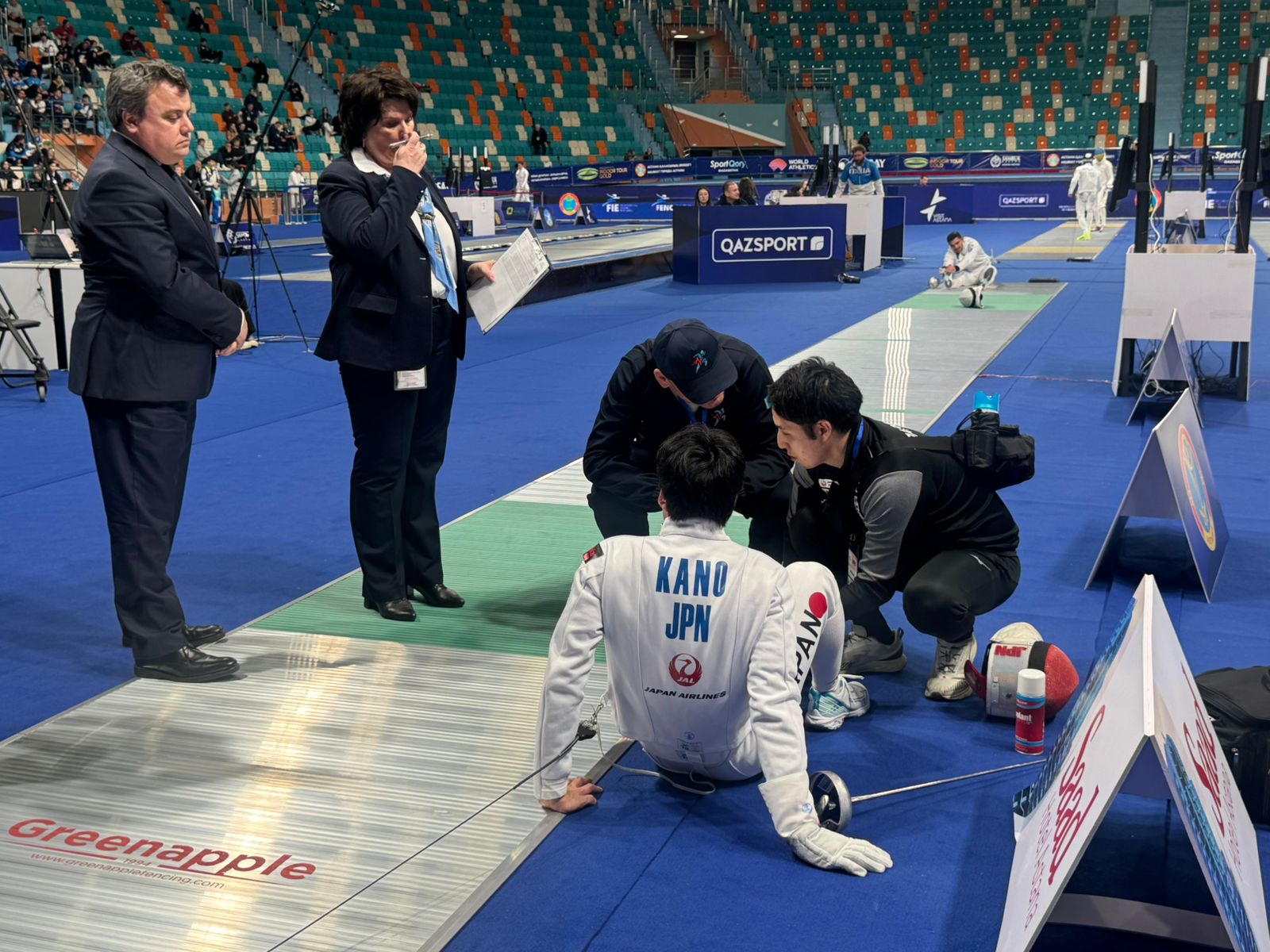
Kazakhstani athletes delivered strong performances, defeating several of the world’s top fencers. In particular, Ruslan Kurbanov overcame his long-time rival, reigning Olympic and World Champion Koki Kano of Japan.
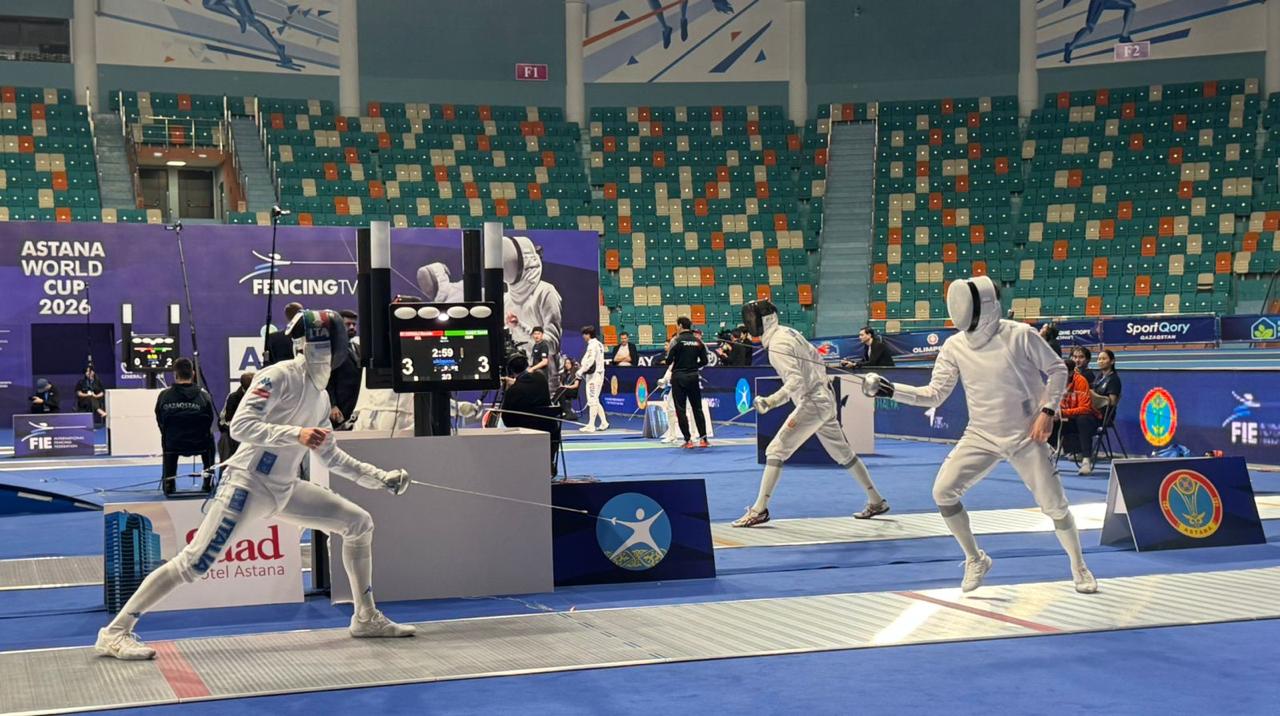
“We have a very long history of rivalry. Honestly, I don’t even remember ever beating him before. The last time we met was at the Olympic Games: I defeated the French Olympic champion, but then lost to Kano, and he eventually went on to win the Olympics. I understand that if you want to be the best, sooner or later you have to go through battles like this. With the arrival of our new coach, Alexander Vladimirovich – who actually coached Kano and helped shape him – I gained a better understanding of how to find the key to his style. He explained how to build the bout, how to block him, set traps, and avoid falling into his. Fencing is all about strategy: first comes reconnaissance. No one rushes into attack immediately. In the opening minutes, athletes study each other, provoke, and look for weaknesses. Only after that does real contact begin.
So, I’m very happy that I managed to beat him. I have nothing but respect for him – he’s a great athlete, a true hard worker, and a very respectful person,” said Kurbanov.
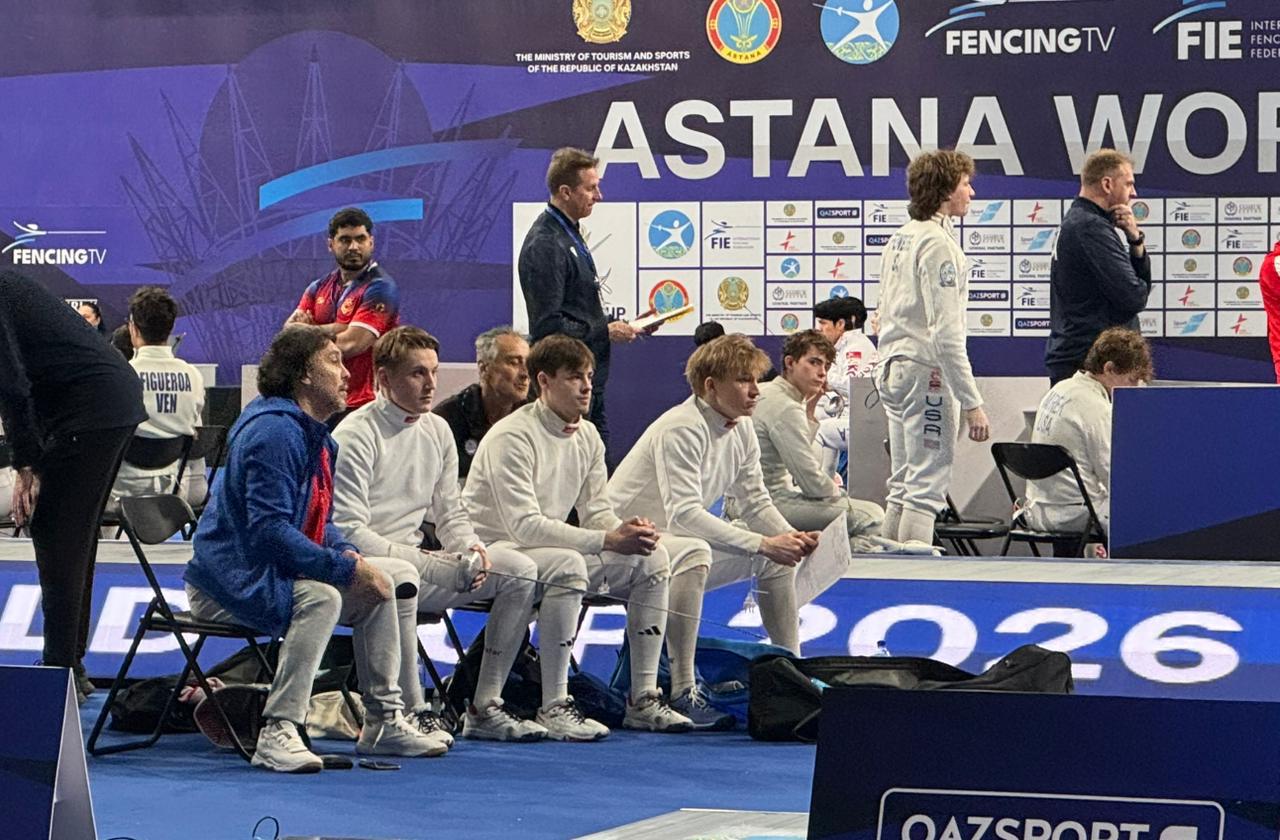
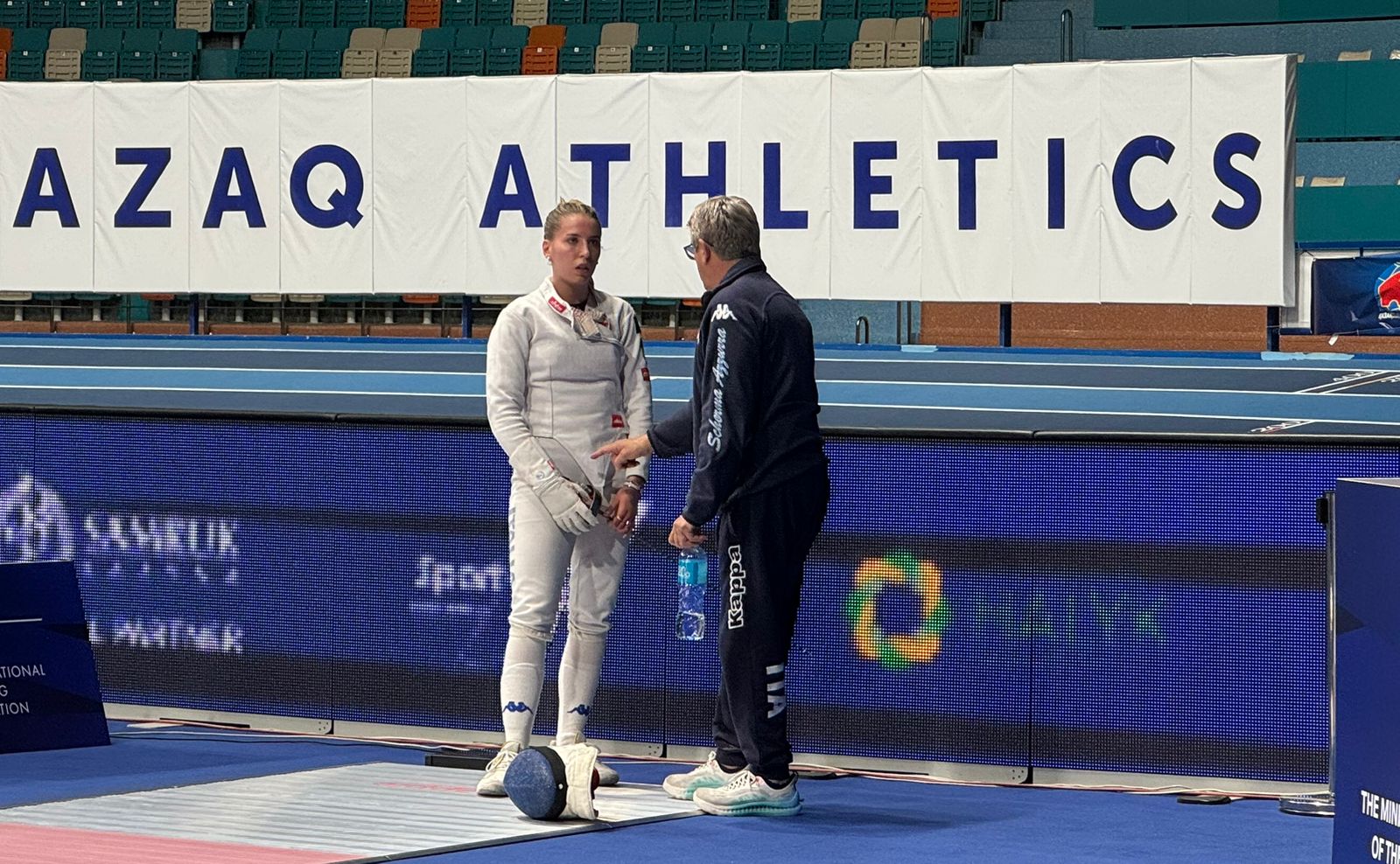
The decisive stages of the tournament took place on March 28–29. Kirill Prokhodov and Irina Bakaldina both finished among the top 16 in the world in their respective events. Bakaldina’s result became the best in the history of Kazakhstan’s women’s épée fencing.
In the men’s individual event, Ukraine’s Roman Svichkar won gold. Ruslan Kurbanov came just one step short, taking silver. Bronze medals went to Hungary’s Dávid Nagy and Egypt’s Mohamed Elsayed, who climbed to the top of the world ranking after the tournament.
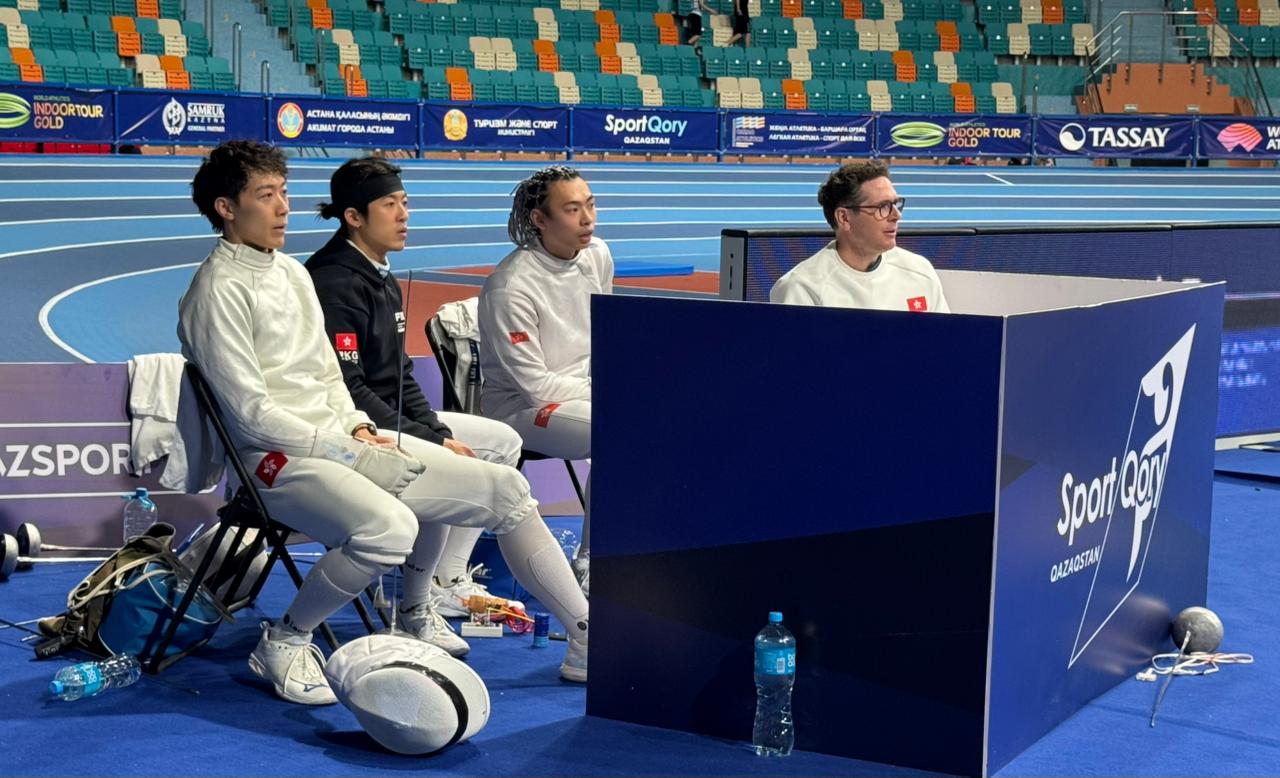
“I started the tournament against an opponent from Korea – that was a mid-level match for me. Then I had a very tough bout against a fencer from Hong Kong, which I won 15:14 by a single touch. After that, I defeated a German opponent, and in the semifinal I lost to the Ukrainian fencer who eventually became the champion. Of course, he was the toughest opponent here. But I wouldn’t say I lost only because he was stronger, although he did perform better at that moment. Jet lag also played a role: I live in the United States, and the 12-hour time difference affected my condition. Nevertheless, after this tournament I will return to world No. 1, and that, of course, makes me very happy,” said Mohamed Elsayed.
In the women’s competition, South Korea’s Song Sera took gold, Estonia’s Katrina Lehis won silver, while France’s Diane von Kerssenbrock and Italy’s Alberta Santuccio claimed bronze medals.
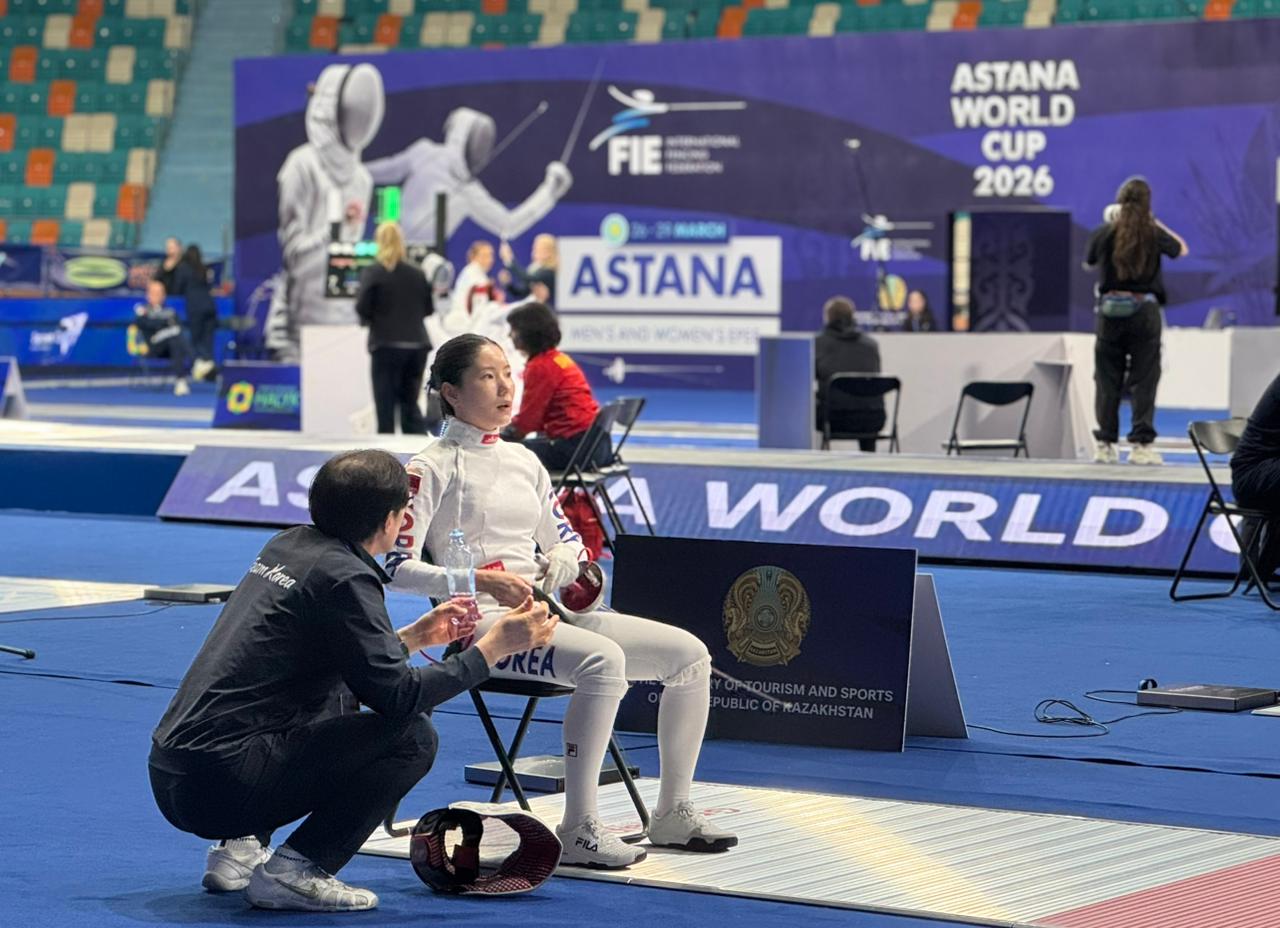
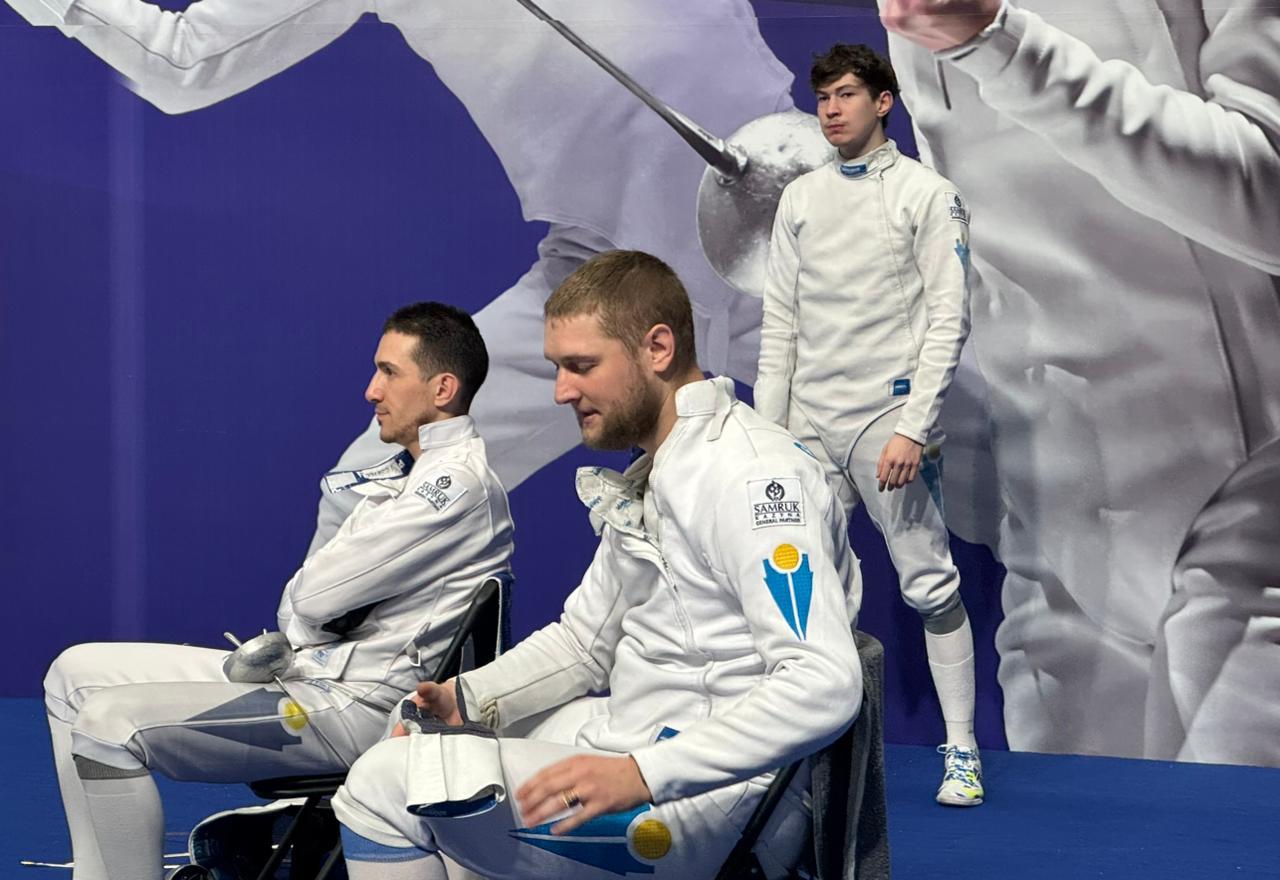
In the team event, Kazakhstan’s men’s team finished among the top four, losing in the semifinal to France, who went on to win gold. In the bronze medal match, Japan edged Kazakhstan by two touches. The final standings were: France – first place, Italy – second, Japan – third.
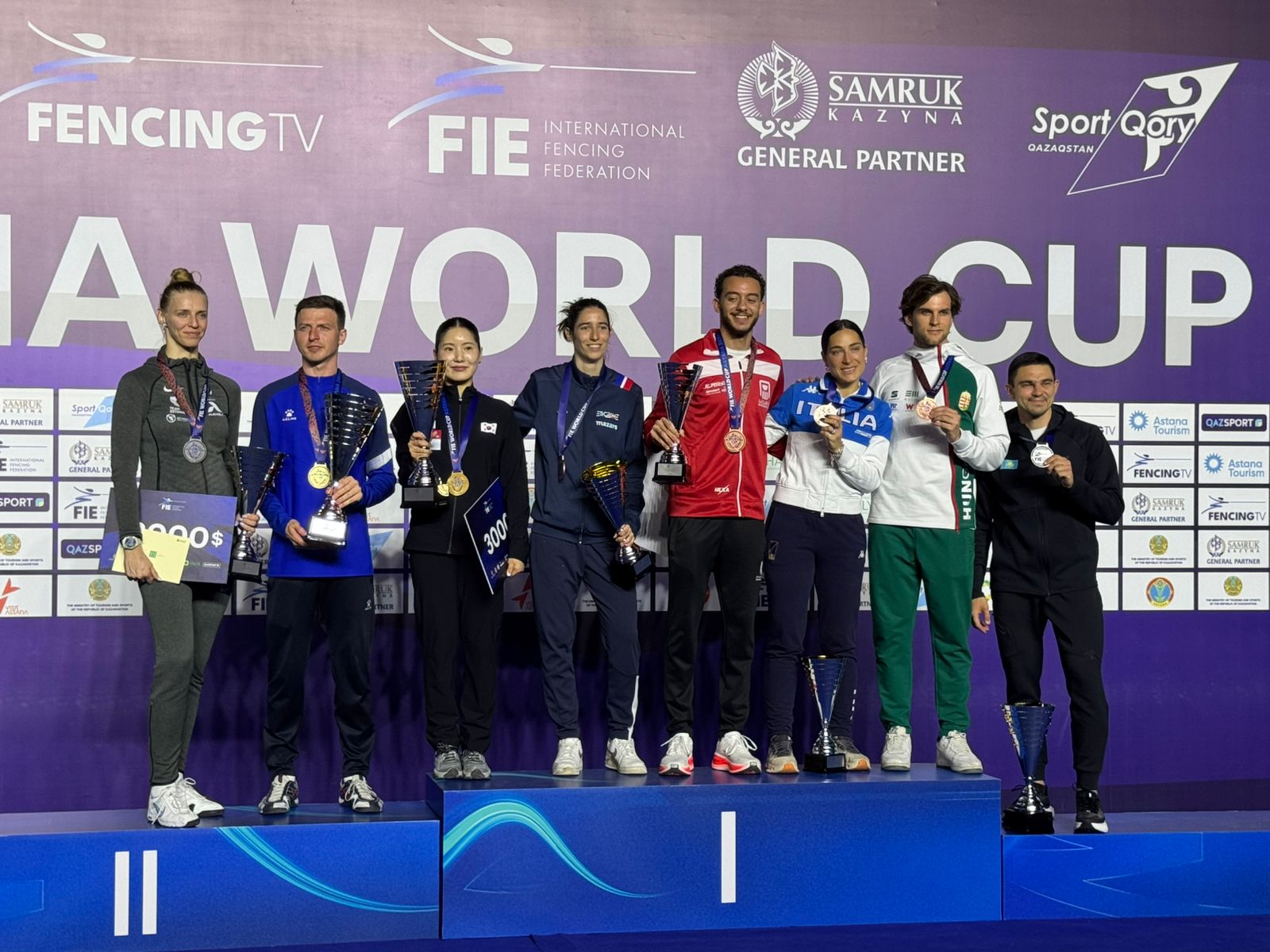
In the women’s team competition, the standings were as follows: South Korea – first place, the United States – second, and Italy – third.
It is worth noting that the organization of the World Cup stage in Astana received high praise. Participants highlighted the excellent sports infrastructure and the overall level of the tournament, comparing it to a World Championship. Astana successfully brought together the world’s best épée fencers.
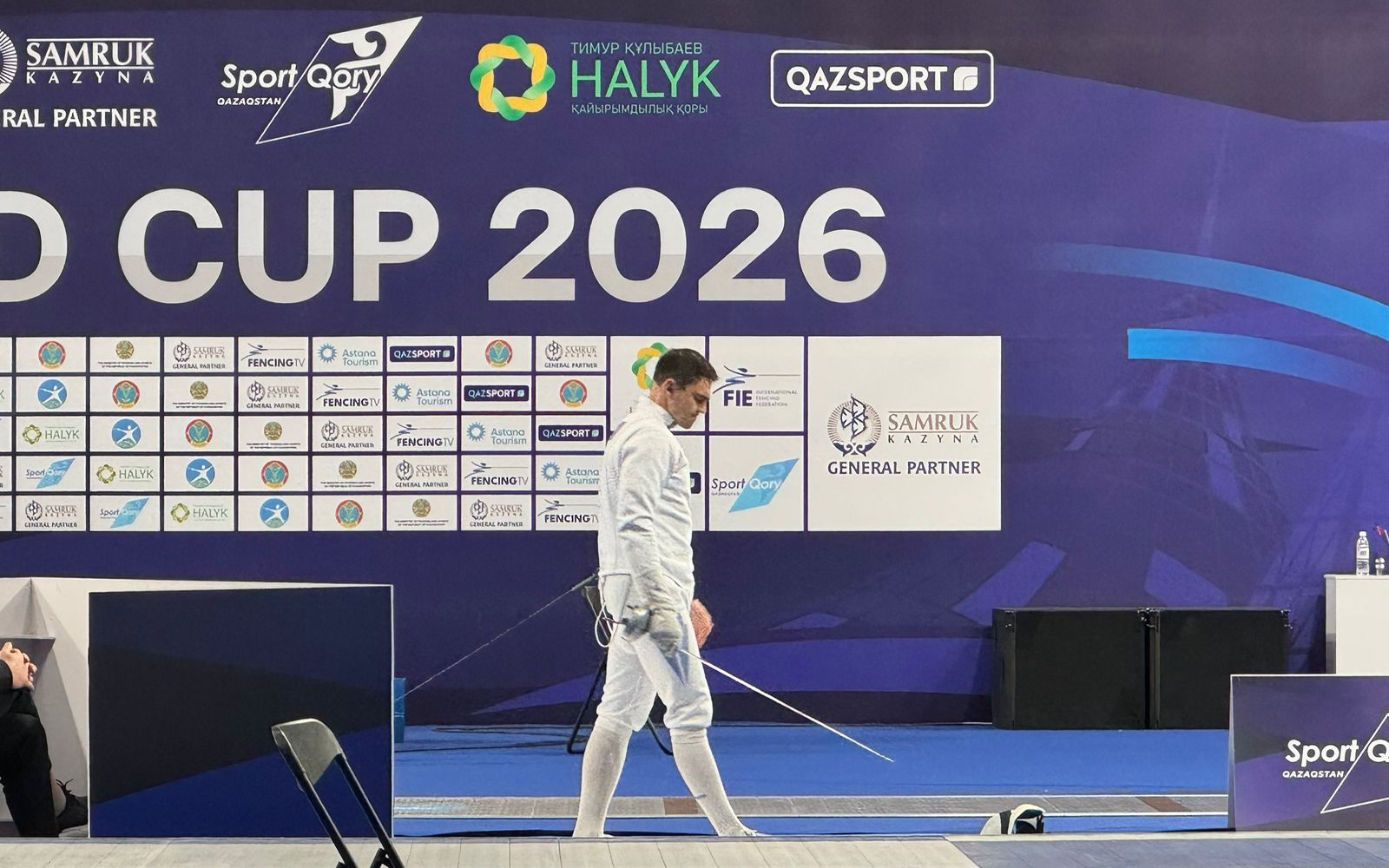
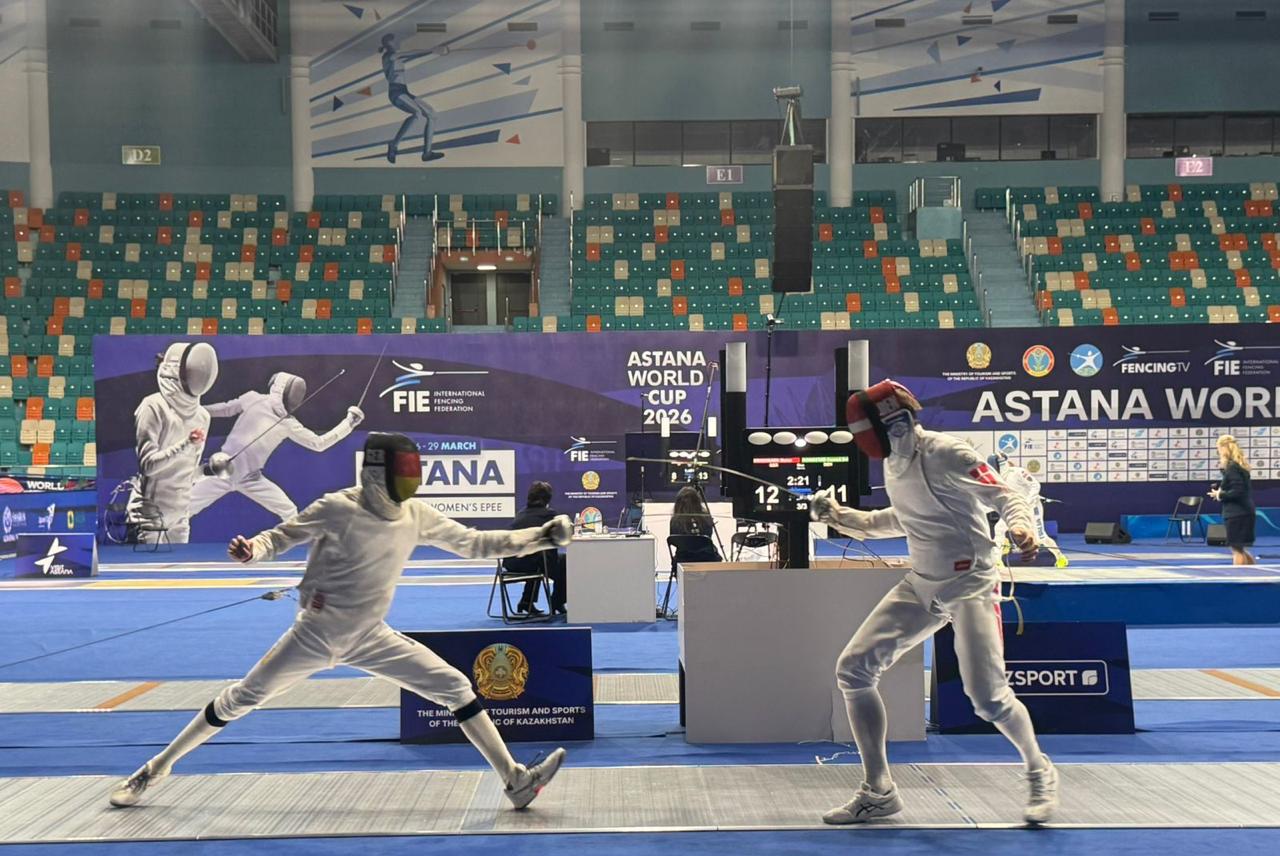
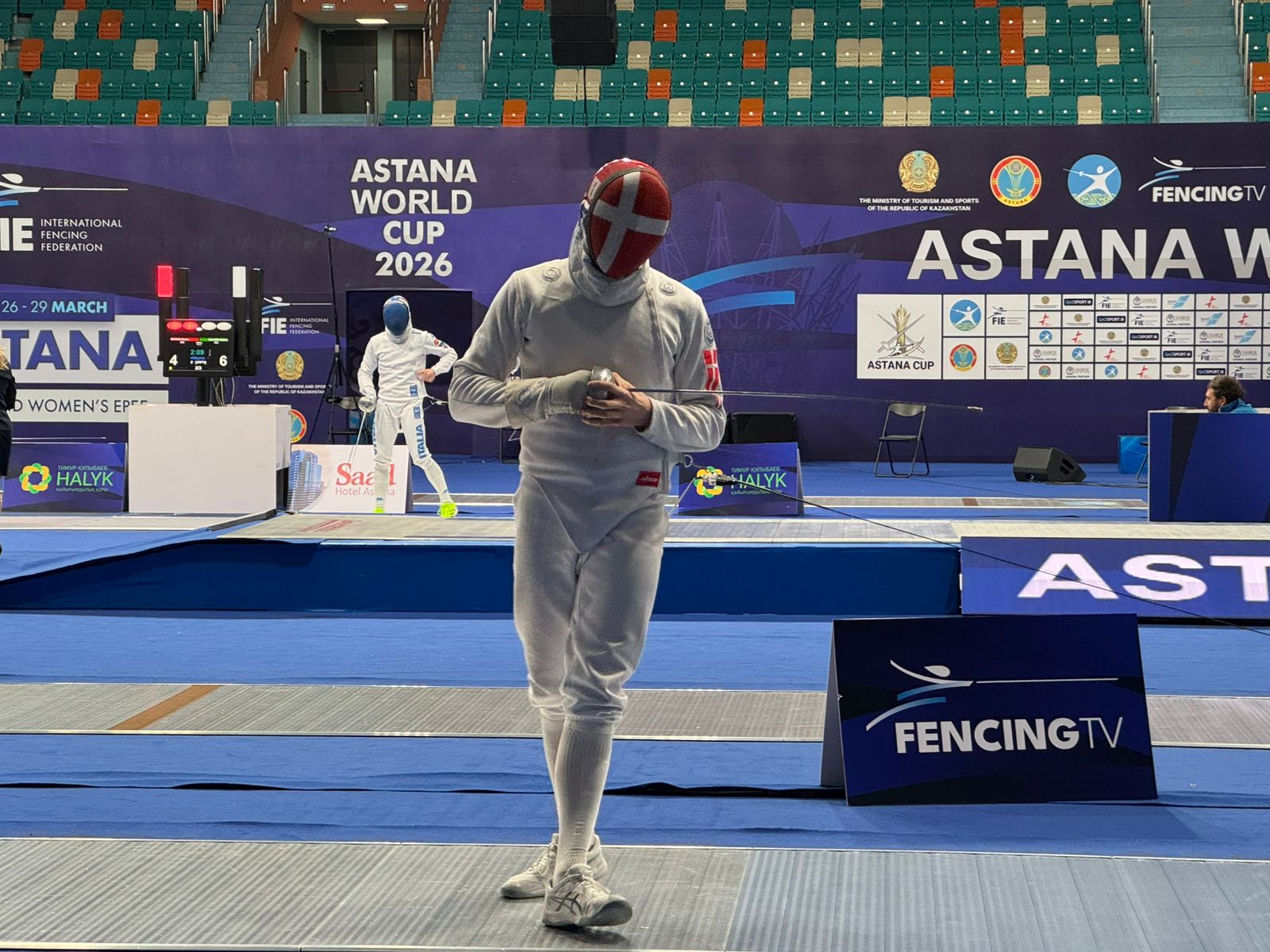
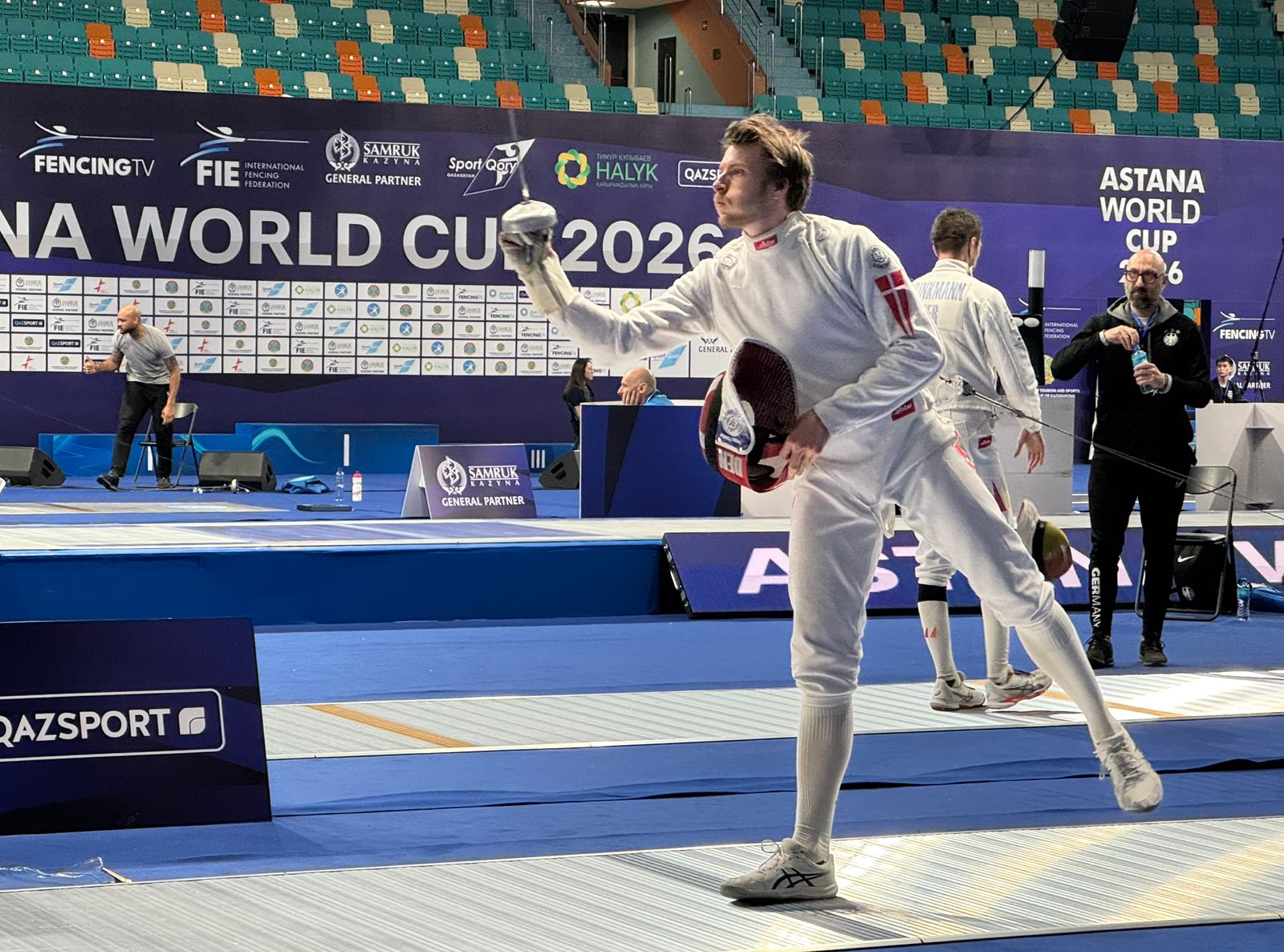
“Great arena and an excellent tournament. The city is also wonderful – we managed to see a bit of it. We stayed near the Botanical Garden and visited a mosque, everything was very impressive. As for the opponents, I had several very tough bouts. For example, against Chinese fencer Li Fanyu – we had already met at the previous tournament in Heidenheim, and it’s always a very physical, intense confrontation. He’s a really strong athlete, and I was glad to win that one. Then there was a bout against Jakub Jurka from the Czech Republic – a very powerful opponent. He was leading 14:13, but I managed to score two good touches to the arm and snatch the victory. If we talk about the most difficult opponent in terms of technique, I would say Jurka. He was probably the strongest in that aspect,” shared Denmark’s Conrad Kongstad.
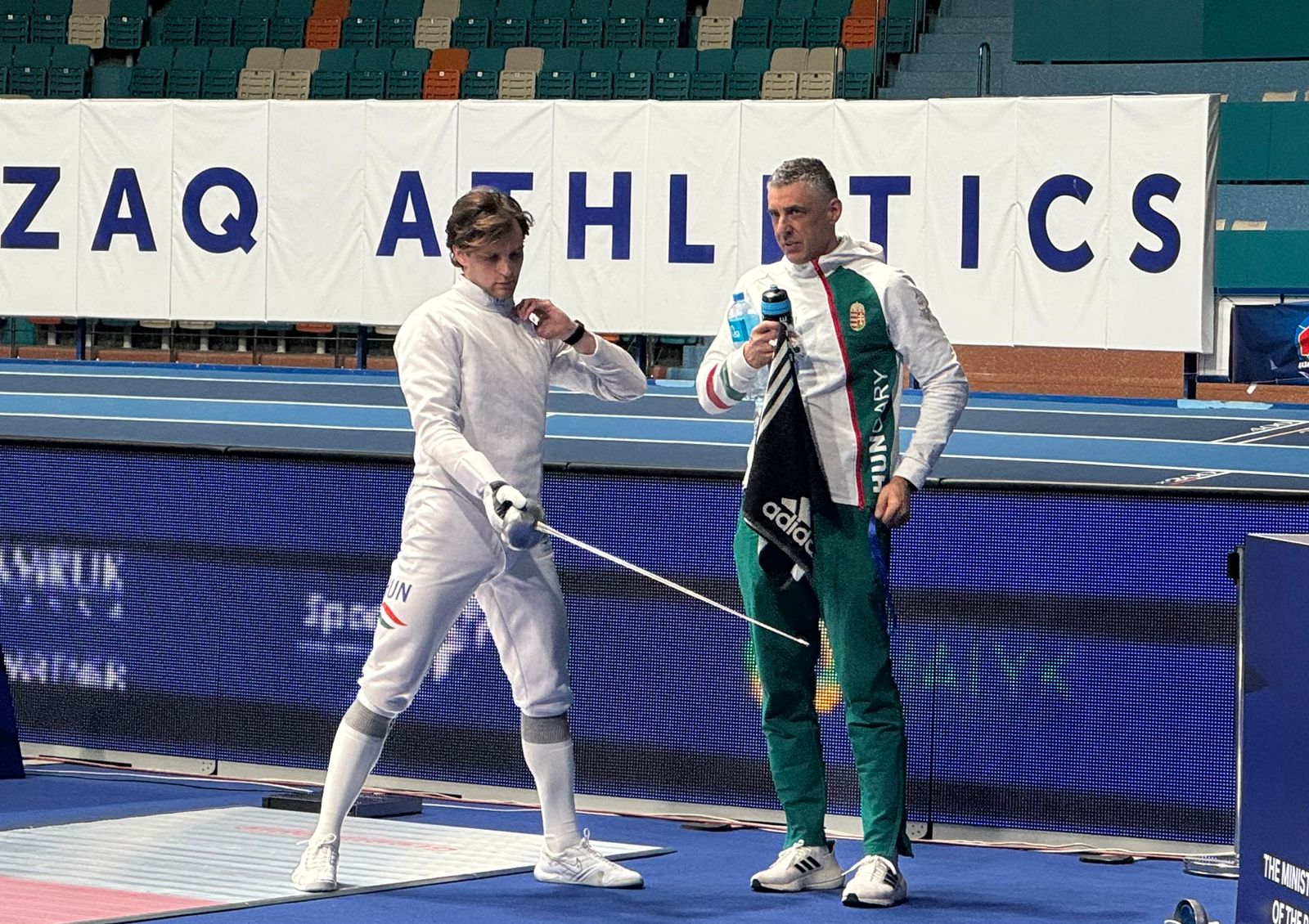
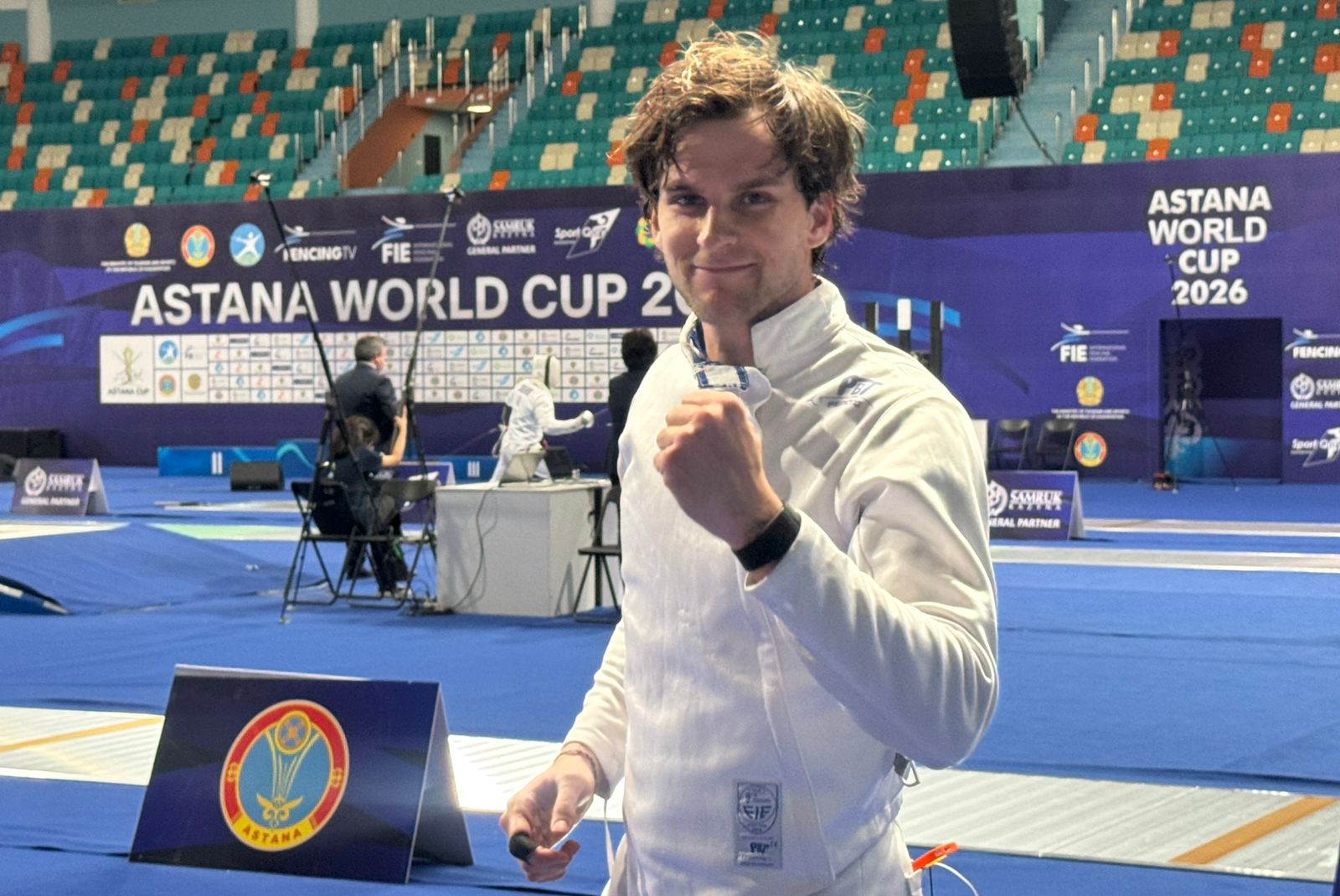
“The tournament was truly excellent, I really enjoyed everything. Honestly, it’s hard not to love a competition when you finish on the podium. But it’s not just about the result – the atmosphere was incredible. The main hall, the spectators in the stands, it all created a special feeling that you step onto the piste for. I won a bronze medal, but in the team event things didn’t go so well for us. I was very tired, the guys had a tough day before, and one of us even got food poisoning. So today we were not in our best condition. We ended up finishing tenth, but it’s experience. We have a lot to learn, and we will keep moving forward,” concluded Hungarian athlete Dávid Nagy, bronze medalist of the tournament.
This World Cup stage demonstrated that fencing in Kazakhstan can fill the stands and create a true international atmosphere of high-level competition. The tournament strengthened Kazakhstan’s position as a country capable of hosting world-class events, where sporting history is written through drama, rivalries, and battles fought until the very last touch.