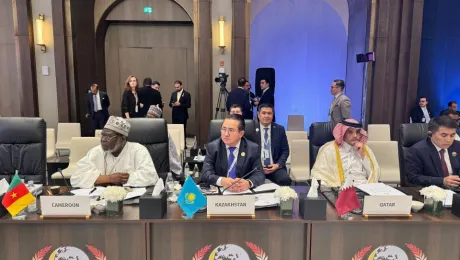

In the heart of the U.S. capital, where cultures from around the world intersect, an ancient celebration of renewal and unity found a vibrant new expression.
At the Smithsonian’s National Museum of Asian Art, the centuries-old holiday of Nauryz came to life—bridging continents, traditions, and generations, DKNews.kz reports.
Nauryz, celebrated across Central Asia for more than 3,000 years, marks the arrival of spring and the beginning of a new life cycle. It is a time when nature awakens, people reconnect, and communities gather around shared values of harmony and renewal. This year, that spirit traveled far beyond the степь (steppe), landing in Washington, D.C., with a message that felt more relevant than ever: unity in diversity.
A Celebration Beyond Borders
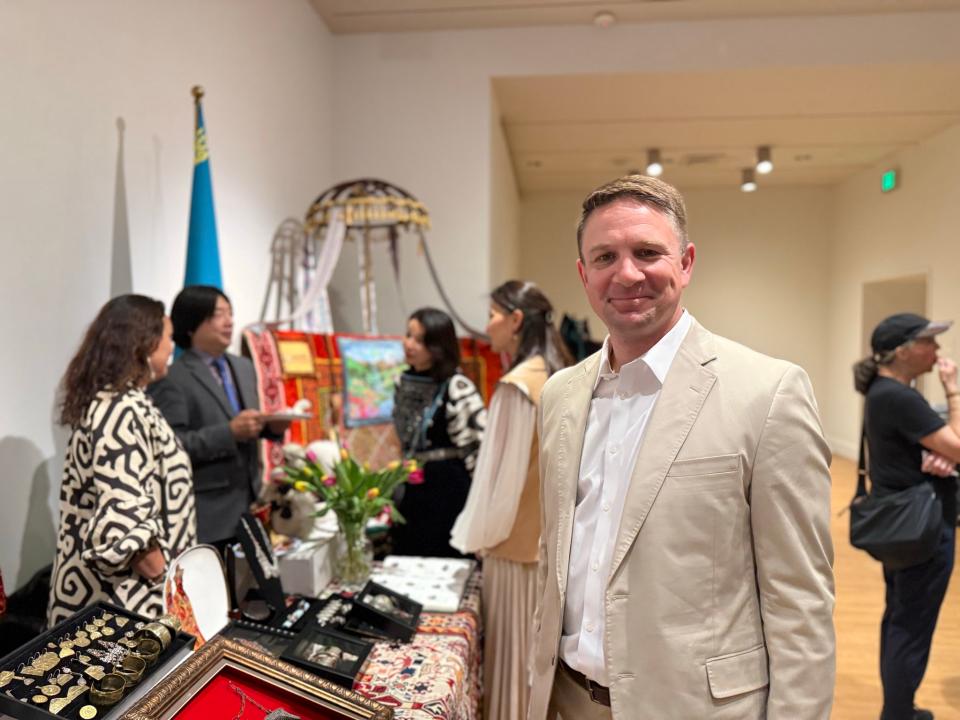
The event was jointly organized by the diplomatic missions of Central Asian countries, transforming the museum into a living cultural space. More than just a formal gathering, it became a platform for public diplomacy—where traditions spoke louder than speeches.
Guests didn’t just observe—they experienced.
From the moment visitors entered, they were immersed in the warm, welcoming atmosphere typical of Nauryz celebrations. The air carried the aromas of traditional dishes, the colors of handcrafted textiles, and the sounds of cultural exchange.
Taste of Kazakhstan: More Than Food
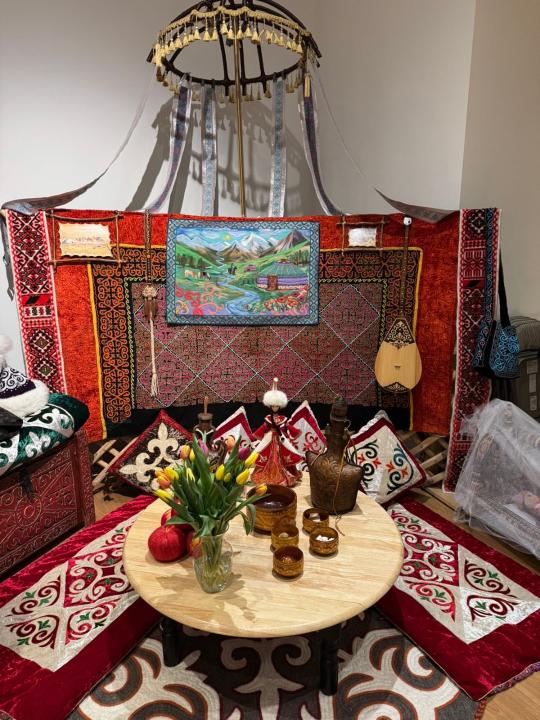
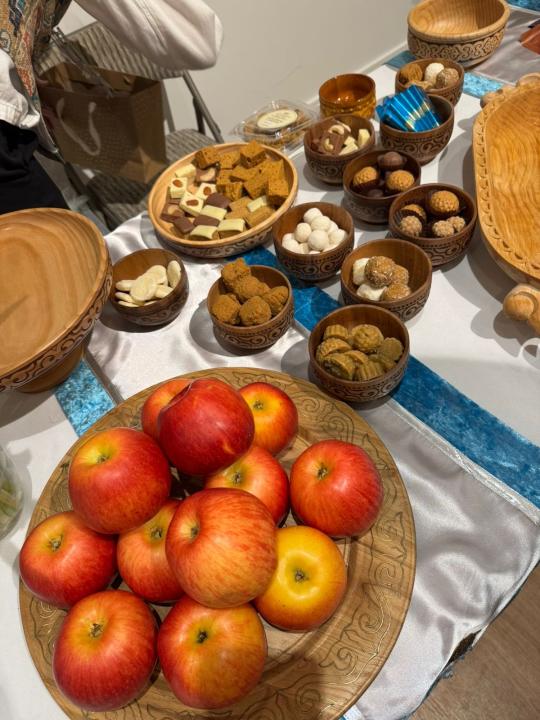
Kazakhstan’s contribution stood out as both heartfelt and deeply symbolic. The festive dastarkhan—a traditional table representing abundance and hospitality—became a centerpiece of the event.
Guests sampled iconic dishes, each with its own story:
- Nauryz kozhe – a special soup made from seven ingredients, symbolizing life, prosperity, and balance
- Baursaks – golden fried dough pieces, a staple of every celebration
- Zhent – a sweet made from millet and butter, rooted in nomadic traditions
- Irimshik – a traditional dried curd, reflecting the ingenuity of степь cuisine
These weren’t just dishes—they were edible history, passed down through generations.
The Yurt: A Window Into Nomadic Life
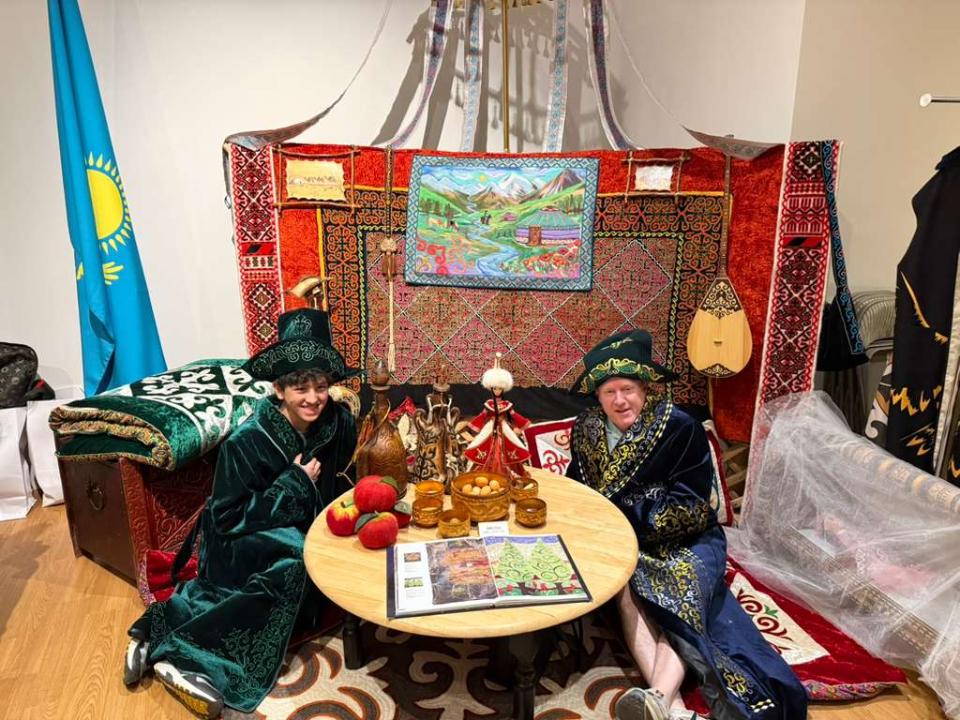
One of the most captivating elements of the event was the installation of a traditional Kazakh yurt. For many visitors, it was their first encounter with the architectural symbol of nomadic civilization.
Stepping inside felt like stepping back in time.
The yurt showcased:
- Intricate felt patterns (текемет, сырмак)
- Handcrafted household items
- Elements of daily life from the степь
It wasn’t just an exhibit—it was a story about resilience, adaptability, and a deep connection to nature.
Culture You Can Wear
In a rare interactive experience, guests were invited to try on traditional Kazakh attire. Richly decorated with embroidery and symbolic ornaments, the costumes sparked curiosity and admiration.
Phones came out, smiles widened, and suddenly the distance between Washington and Central Asia felt much smaller.
Why It Matters
Events like this go beyond cultural showcases—they reshape perceptions.
In a world often divided by geography and politics, Nauryz in Washington, D.C. became a reminder that traditions can unite people across borders. It demonstrated how soft power—through food, art, and shared experiences—can build bridges where words sometimes fail.
For many attendees, it wasn’t just a celebration. It was a discovery.
And for Kazakhstan and its neighbors, it was an opportunity to tell their story—not through headlines, but through heritage.
A New Spring, Everywhere
As Nauryz continues to gain international recognition, its meaning expands. No longer confined to Central Asia, it becomes a global symbol of renewal—something everyone can relate to.
Because no matter where you are in the world, spring always carries the same promise:
a fresh start, a new cycle, and a chance to reconnect—with nature, with others, and with yourself.