
Kazakhstan’s insurance sector is entering a new phase. It is no longer just a tool for covering risks - it is becoming a key element of digital ecosystems. Speaking at the Freedom Inside’26 forum in Astana, Azamat Kerimbayev, Chairman of the Management Board of Freedom Insurance, outlined how this transformation is reshaping the market, DKNews.kz reports.
Digital technologies, data-driven approaches, and a strong focus on customer experience are fundamentally changing the structure of the insurance business. As a result, insurers can now take a central position within financial ecosystems.
A gateway into the ecosystem
According to Kerimbayev, insurance companies are no longer just service providers - they are becoming key drivers of customer acquisition within ecosystems. This requires full digitalization of processes and the creation of scalable IT platforms that can operate across the entire market.
Freedom Insurance has already gone through this transformation. Its integration into the Freedom ecosystem has turned insurance from a standalone product into a массовый entry point for customers into the digital environment.
“Over seven years of development under the Freedom brand, we have grown eightfold and built a new model of insurance - faster, more transparent, and more understandable for customers. The next stage is strengthening service and infrastructure. We no longer just sell a policy; we provide a complete, end-to-end solution at the moment the service is delivered. We take over the entire process, improving the customer experience and shifting the focus from the payout itself to the final outcome for the client,” said Azamat Kerimbayev.
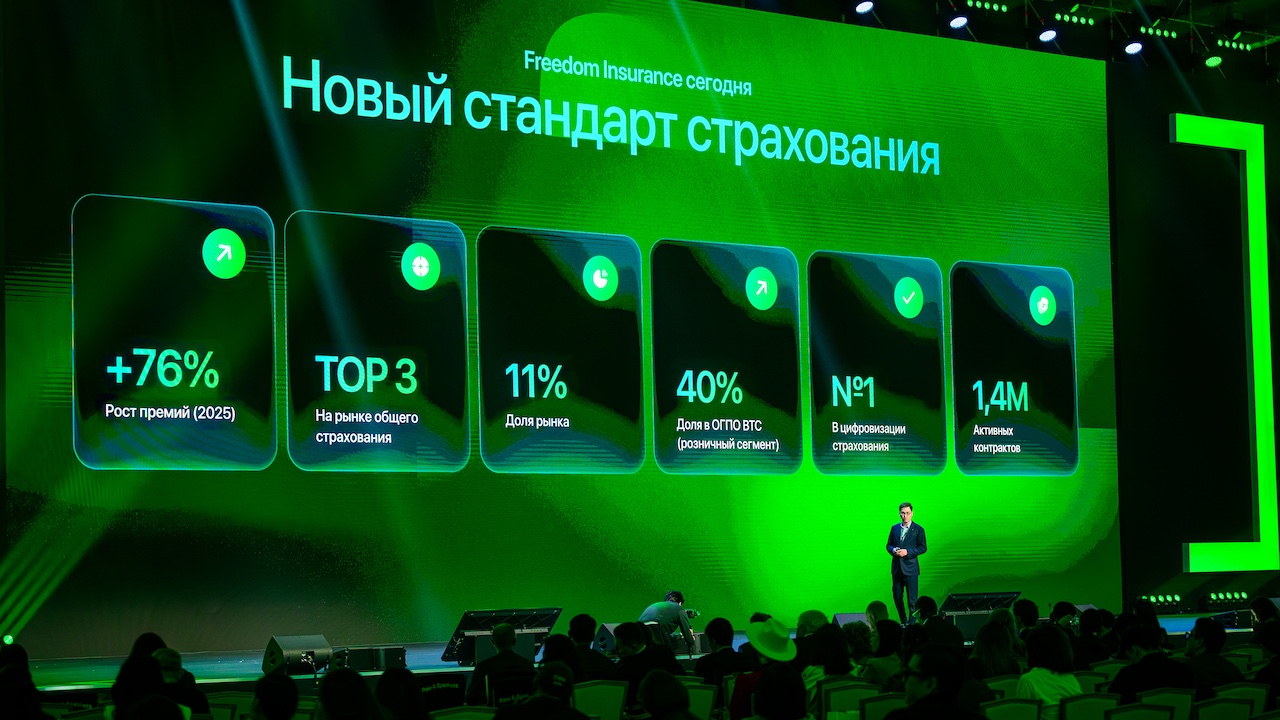 photo by Ruslan Mazunin
Market position and growth
The company’s performance reflects the effectiveness of this strategy. Freedom Insurance has grown from a small player into one of the top three insurers in Kazakhstan’s general insurance market. It holds around 40% of the compulsory motor insurance segment.
Today, the company has more than one million active customers, 40% of whom are regular SuperApp users. Every third compulsory motor insurance policy in Kazakhstan is issued through Freedom Insurance.
After the first interaction through insurance, customers remain within the ecosystem, using banking, service, and lifestyle products. This leads to continuous engagement.
“Insurance here performs three functions at once: it attracts customers, integrates them into the ecosystem, and retains them through services. This model makes us a full-fledged growth driver for the entire group,” Kerimbayev noted.
Data as a competitive advantage
The company places strong emphasis on data. Scoring, analytics, and real-time decision-making significantly improve efficiency.
This approach allows the company to:
- calculate tariffs more accurately
- manage loss ratios more effectively
- detect fraud at early stages
- make instant decisions
“As a result, we are not just improving business efficiency, but also creating a fairer and more transparent product for customers. In essence, data has become our competitive advantage and the foundation of sustainable growth,” he said.
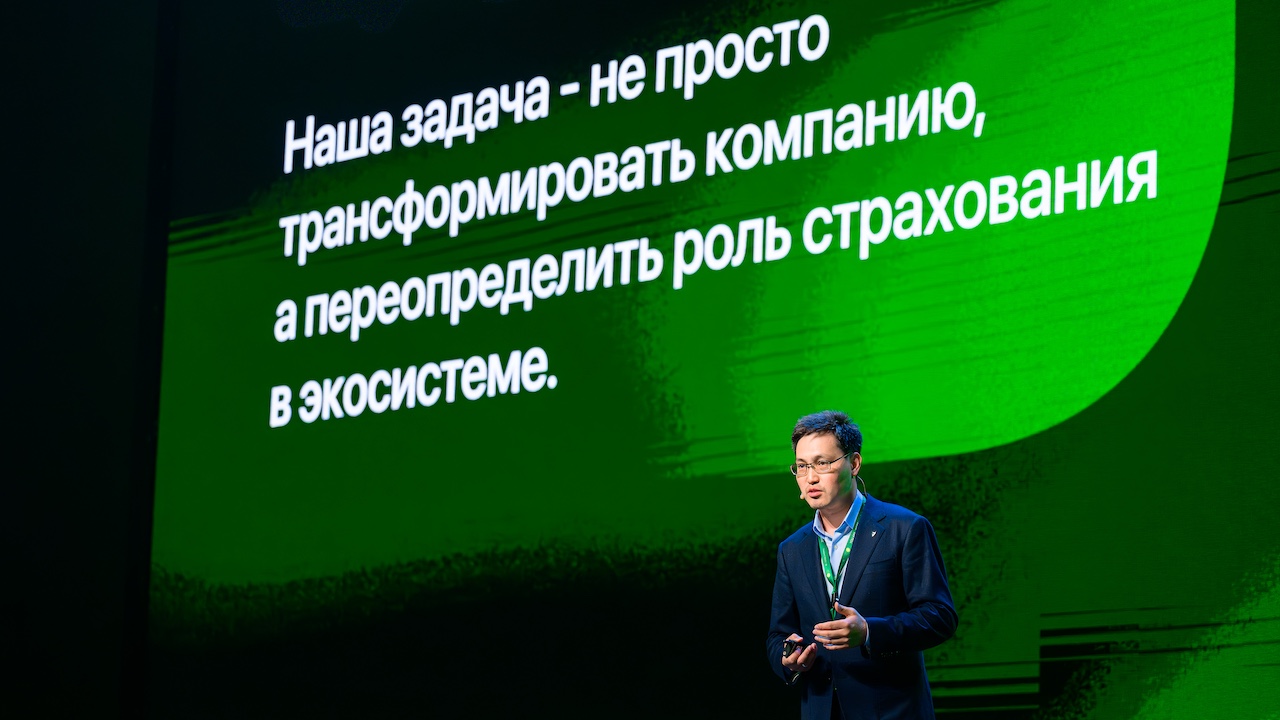 photo by Ruslan Mazunin
Paperless and office-free claims
One of the most visible changes for customers is digital claims handling. The DTP.kz project allows road accidents to be processed without paperwork or visits to an insurer’s office.
This model provides speed and transparency for customers, while reducing the burden on government agencies.
“For the customer, this means fast processing, a transparent process, and minimal bureaucracy. For the market, it reduces the load on government bodies and speeds up settlements. In fact, we are shaping a new behavioral pattern - digital claims handling is gradually becoming the standard, not an alternative,” the expert explained.
From cash payouts to ready solutions
The company is also transforming its compensation model. The focus is shifting from cash payouts to repair services.
This means customers receive a ready-made solution - their vehicle is restored through partner service networks. At the same time, the company can control quality and timelines.
“In this model, the customer is not left alone with the problem. Instead, they get a clear and manageable process from start to finish. We are shifting the focus from the payout itself to the quality of the final result for the client,” Kerimbayev said.
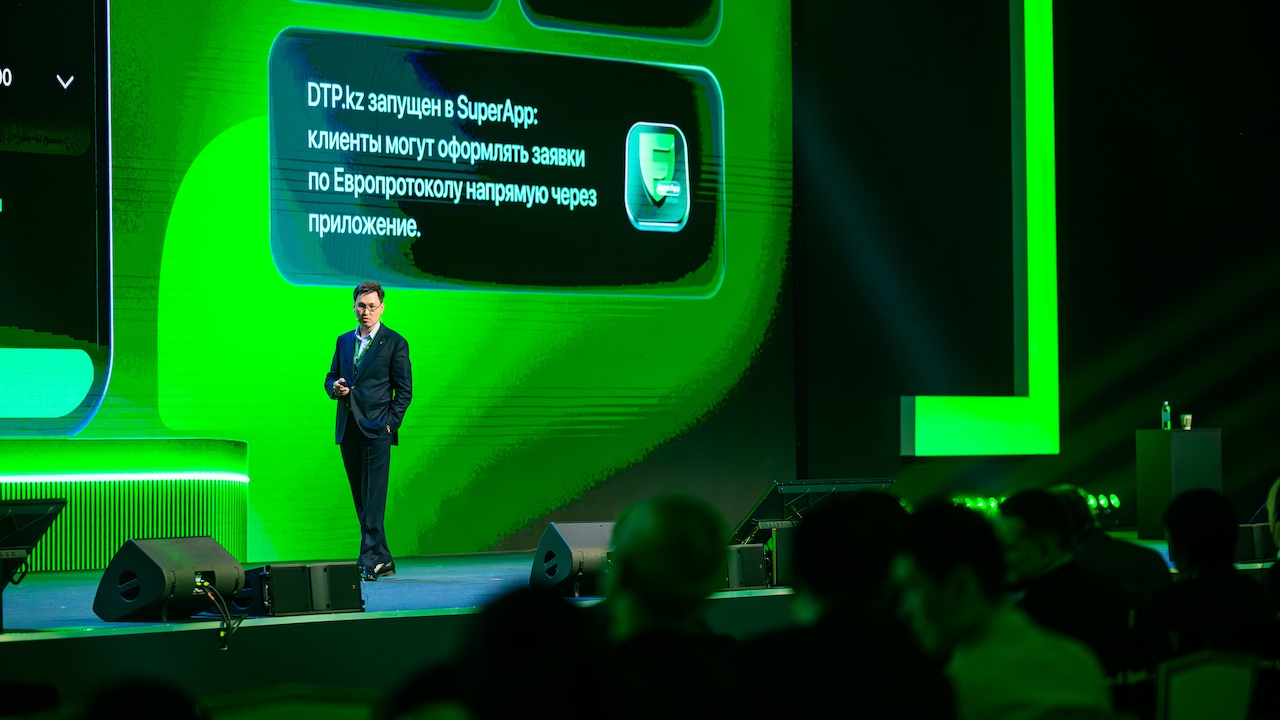 photo by Ruslan Mazunin
Artificial intelligence and the next step
The next stage involves automating damage assessment using computer vision technologies.
By analyzing images, the system can:
- identify the nature of damage
- assess its scale
- provide a preliminary estimate
This makes the process faster, more standardized, and less dependent on human factors.
Impact on the market
The emerging model is redefining the role of insurance. It is no longer just a risk management tool - it is becoming part of a digital infrastructure that attracts, integrates, and retains customers.
“We are building a model where technology underpins all processes, and data helps make precise decisions while improving customer experience. At the same time, behind every result is a team. People, their expertise, and their ability to adapt are what drive this transformation. In this sense, insurance is no longer just a product - it is becoming a service, part of the ecosystem infrastructure where the customer receives value at every stage of interaction,” Kerimbayev concluded.