

The StartX accelerator at Stanford University is one of the most exclusive programs in the world. In its traditional model, it primarily admits Stanford alumni. Competition is intense, and the selection process is multi-stage. Only a handful of startups made it into the StartX Summer 2026 cohort — among them, the Kazakh startup WeGlobal AI, DKNews.kz reports.
This became possible thanks to a Platinum partnership between StartX and Astana Business Campus, part of the NU Impact Foundation ecosystem. The organization fosters innovation at Nazarbayev University, supports tech startups, and builds bridges between Kazakhstan and global markets. Through this partnership, Kazakh companies gain access to acceleration programs, international venture funds, corporate partners, and Stanford’s alumni network.
We wanted to understand who is behind the project that Stanford considered worthy of its program. We spoke with the founders.
Two Founders from Taraz
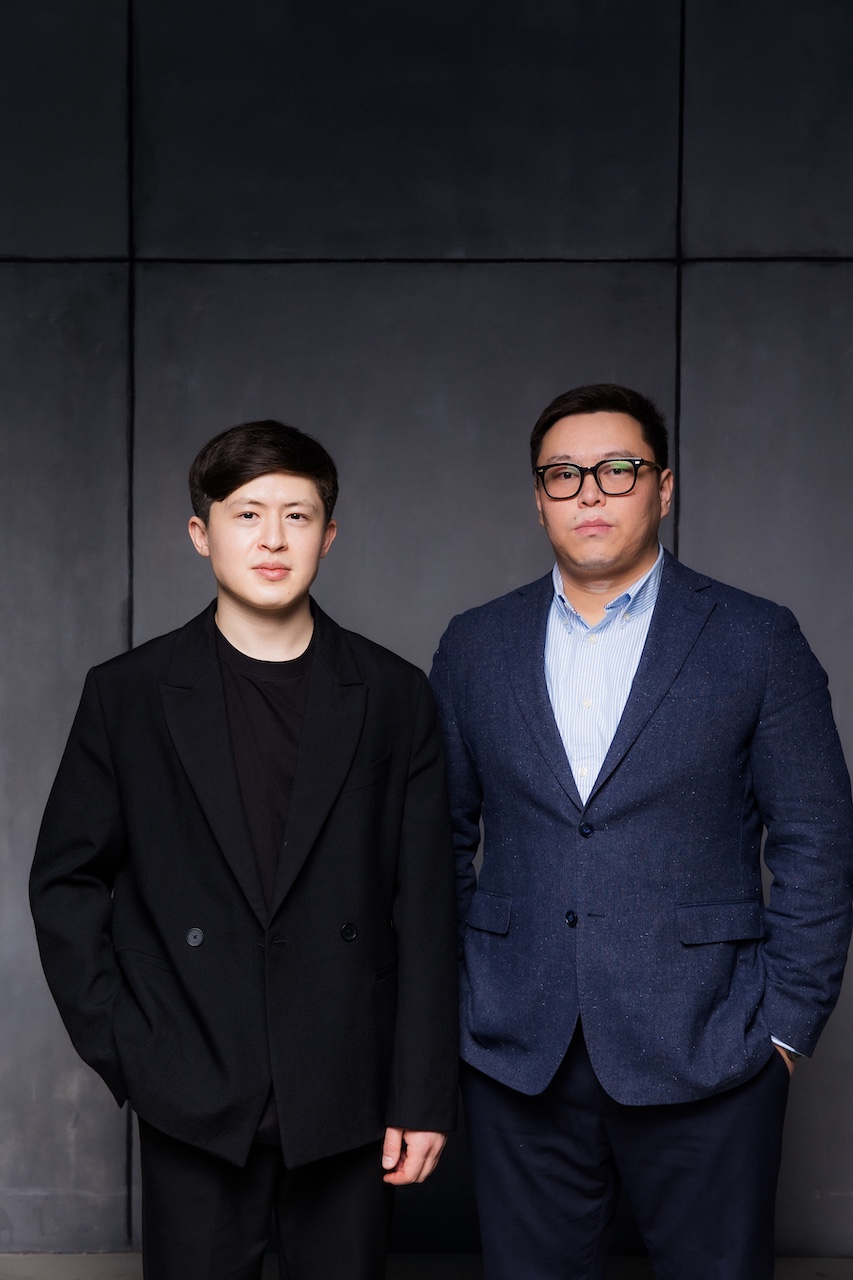
WeGlobal AI was founded by Akzhol Zambayev (CEO) and Bolat Ashim (CTO) — both natives of the Zhambyl region and former classmates at a Kazakh-Turkish Lyceum in Taraz. By the time they launched the startup, they had known each other for 17 years.
Akzhol Zambayev enrolled at Nazarbayev University to study biological sciences. However, during his student years, it became clear that his path would take a different direction. For two consecutive years, he worked at the Astana Economic Forum, supporting international investors and policymakers. This experience shifted his focus toward entrepreneurship. By his third year, he was independently studying finance, and by his fourth year, he launched his first EdTech startup. After graduation, he joined the Draper University accelerator in the U.S., successfully exited his second project, and in 2023 founded WeGlobal.

Bolat Ashim, after finishing school, moved to South Korea and enrolled at KAIST, one of the country’s leading technical universities. He specialized in computer science and artificial intelligence. After graduation, he stayed in Seoul for about five years, working as an AI engineer in the R&D division of a major telecom company, developing computer vision models. He returned to Kazakhstan when Akzhol invited him to start a business together. According to him, the decision felt natural — he had already been considering launching his own startup and understood the need for a strong partner with complementary skills.

What They Do
WeGlobal AI is an AI-powered platform designed for schools. It helps systematically manage students’ mental well-being and career guidance. The platform conducts regular surveys on student well-being, identifies risks, supports school psychologists, and generates reports. Another key focus is helping students choose their future careers and universities.
The system collects signals from students through surveys and direct requests, analyzes them, and routes them to the appropriate specialists: psychologists, career counselors, vice principals, or school administrators. Data is aggregated not only at the school level but also across districts and regions, allowing decision-makers to see the real picture and respond systematically.
“The platform helps schools identify hundreds of cases that might previously have gone unnoticed — psychological difficulties, anxiety, emotional distress, and other signals that require timely attention. We work with schools on a daily basis within the system and train psychologists and other specialists,” the company says.
Today, WeGlobal AI operates in 1,720 schools across 13 regions of Kazakhstan. More than 14,000 school professionals use the platform, with a total reach of over 1 million students.
Why Stanford Matters
For WeGlobal, the Kazakh market has already been validated. The company has grown from early pilots in 2023 to thousands of schools — without venture funding at the initial stage, relying instead on iteration and real user feedback. In 2025, they won the Social Impact category at Digital Bridge and completed the Google for Startups program.
The next step is entering the U.S. market. This is exactly why StartX matters: to build professional connections in the American education ecosystem, initiate discussions with schools and relevant organizations, complete the necessary certifications, and prepare initial pilot projects.
“Being accepted into StartX was a strong validation for us that this solution is relevant not only in Kazakhstan but also in demand internationally,” the founders note.
According to Akzhol Zambayev, the interview process during selection provided the team with valuable external feedback: the problem they are solving turned out to be understandable and relevant far beyond Central Asia.
Two graduates from Taraz. One came through biology and Draper University, the other through KAIST and Seoul. Together, they built a product that caught Stanford’s attention.