
Kazakhstan is doubling down on its green transition—and this time, the numbers speak for themselves.
The Development Bank of Kazakhstan (DBK), part of the national holding Baiterek, has signed a series of major agreements worth more than $2 billion, signaling a decisive push toward a cleaner, more sustainable economy, DKNews.kz reports.
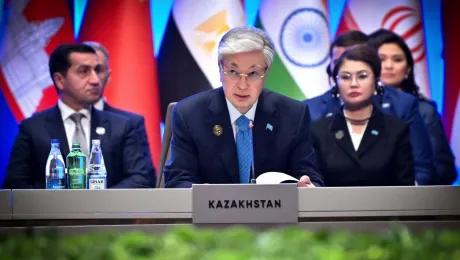
Most of these deals were sealed during the Regional Environmental Summit in Astana—a gathering that is quickly becoming one of the region’s key platforms for aligning government priorities, private investment, and international expertise.
A Turning Point for Kazakhstan’s Energy Landscape
At the heart of these agreements is a simple but ambitious goal: transform Kazakhstan’s energy and industrial sectors while staying on track to achieve carbon neutrality by 2060.
According to DBK Chairman Marat Yelibayev, these are not just symbolic partnerships. They are real, large-scale projects that will create jobs, generate tax revenue, and boost exports—all while reducing the country’s environmental footprint.
And the scale is impressive.
Wind, Sun, and Water: Powering the Future
One of the flagship projects is a massive 1 gigawatt wind power plant in the Zhambyl Region. Backed by an international consortium of lenders, the project has secured financing of over $930 million. Once completed, it will be one of the largest wind farms in Central Asia.
Solar energy is also getting a boost. A new 70 MW solar power plant in the Kyzylorda Region will be financed through a loan agreement worth nearly 75 million yuan. While smaller in scale, it represents another step toward diversifying Kazakhstan’s energy mix.
Hydropower hasn’t been left behind either. A credit line exceeding 10.5 billion tenge has been allocated for the construction of a cascade of small hydroelectric plants—Merke HPP-5, HPP-6, and HPP-7—also in the Zhambyl Region. These projects are expected to provide stable, renewable energy while supporting local infrastructure development.
Cleaner Industry: From Steel to Fertilizers
The green transition isn’t limited to energy generation. Heavy industry—traditionally one of the largest sources of emissions—is also undergoing change.
A $256 million financing package has been allocated to Qarmet, one of the country’s major industrial players, to support the gasification of its production facilities in the Karaganda Region. This shift from coal to cleaner fuel is expected to significantly reduce emissions and improve air quality in one of Kazakhstan’s most industrialized areas.
Meanwhile, a $650 million agreement with Qazaq Kalium aims to build the country’s largest potash fertilizer production facility in the West Kazakhstan Region. With a projected capacity of up to 1.5 million tonnes per year, the project could strengthen Kazakhstan’s position in global agricultural markets while incorporating modern, more sustainable production technologies.
Global Partnerships, Local Impact
What makes these deals particularly noteworthy is the level of international involvement. Institutions such as Proparco, DEG, the European Bank for Reconstruction and Development, and major global banks are participating in financing.
In addition, DBK has signed a cooperation agreement with the Agence Française de Développement (AFD Group) for up to €150 million to support renewable energy and energy efficiency projects, particularly in the agro-industrial sector.
Another strategic step is the memorandum with the Green Climate Fund, aimed at expanding collaboration under its Readiness Programme—opening the door to even more international climate financing in the future.
Why It Matters
For Kazakhstan, these agreements are more than just investments—they are a statement.
The country is positioning itself as a regional leader in green transformation, at a time when global demand for sustainable energy and low-carbon products is rapidly growing. By attracting foreign capital and advanced technologies, Kazakhstan is not only modernizing its economy but also strengthening its role in the global energy transition.
If these projects deliver as planned, they could reshape entire industries, improve environmental conditions, and set a new standard for sustainable development in Central Asia.
And perhaps most importantly, they show that the shift toward a greener future is no longer a distant goal—it’s already underway.