

Kazakhstan is taking a major step toward becoming a regional leader in cancer treatment and radiation medicine.
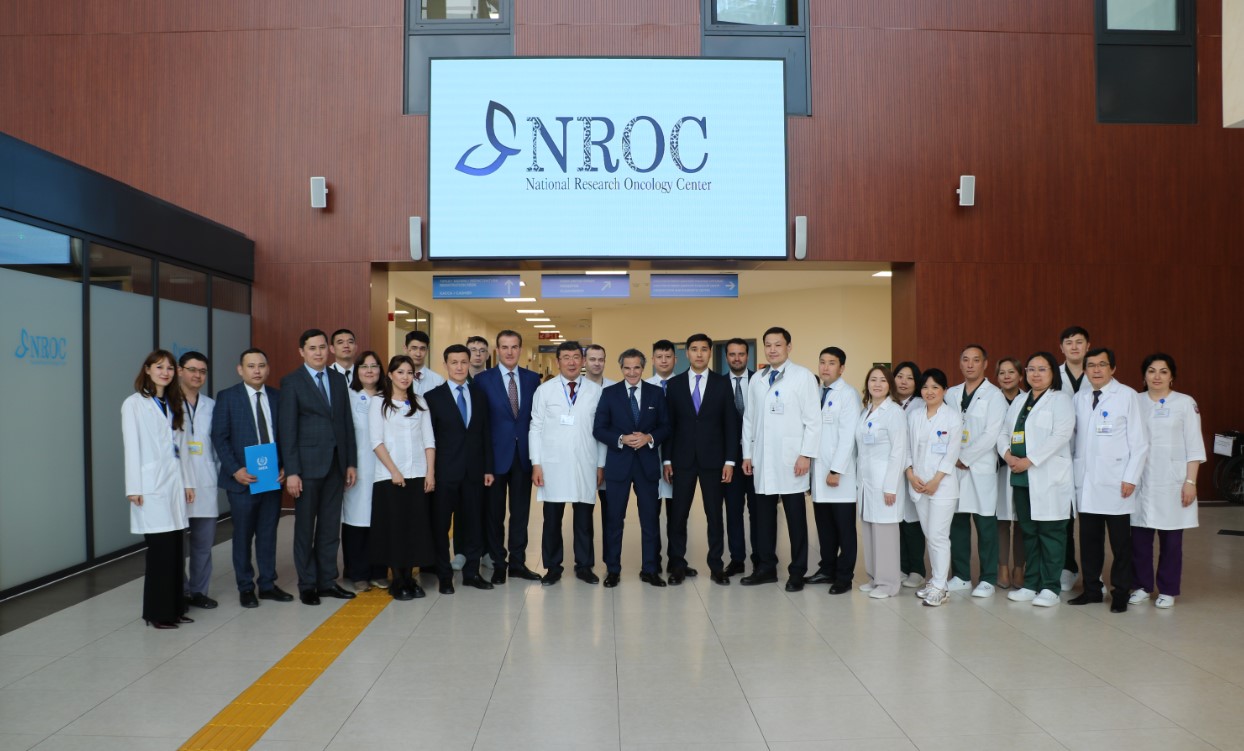
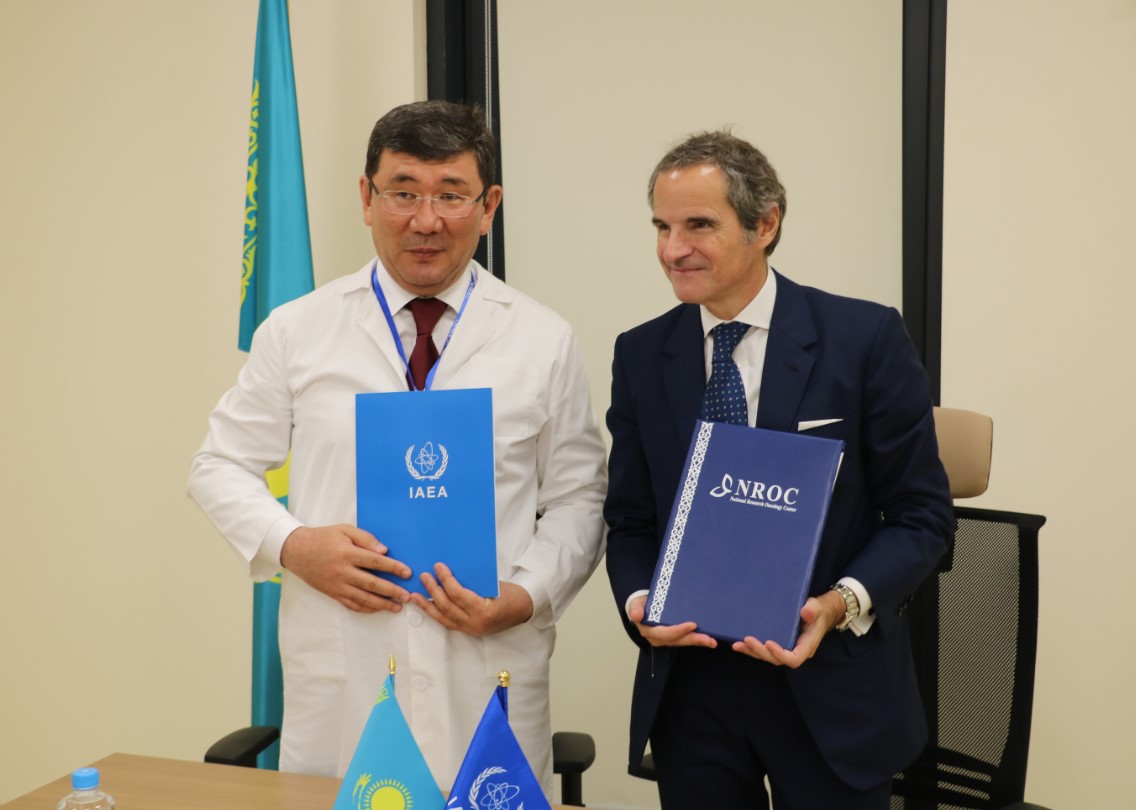
In Astana, the National Research Oncology Center (NROC) signed a strategic cooperation agreement with the International Atomic Energy Agency (IAEA), opening the door for the country to host the first IAEA Anchor Centre in Central Asia, DKNews.kz reports.
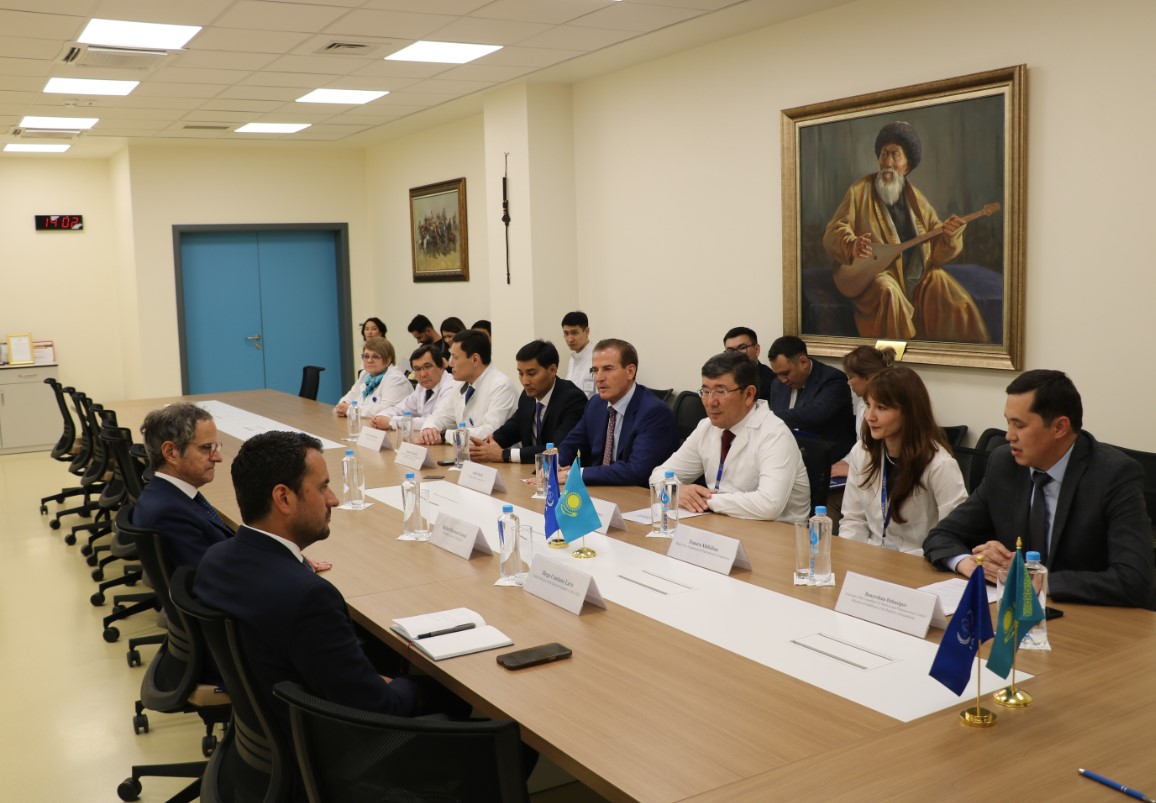
The agreement was signed during the visit of IAEA Director General Rafael Mariano Grossi and could significantly change the landscape of oncology care not only in Kazakhstan, but across the region.
If the roadmap is successfully implemented, NROC will become the 19th IAEA Anchor Centre in the world — and the first of its kind in Central Asia. For Kazakhstan’s healthcare system, this is more than a symbolic status. It means international recognition, access to global expertise, cutting-edge technologies, and integration into one of the world’s leading cancer care networks.
Why This Matters
Cancer remains one of the biggest healthcare challenges worldwide. According to international medical organizations, millions of people each year face delayed diagnosis, lack of access to radiotherapy, or shortages of qualified specialists. In many developing regions, modern oncology treatment is still inaccessible for thousands of patients.
Kazakhstan has spent recent years actively modernizing its healthcare infrastructure, especially in high-tech medicine. The partnership with the IAEA signals that these efforts are now being recognized at the international level.
The agreement covers cooperation in radiation oncology, nuclear medicine, diagnostic imaging, radiopharmacy, medical physics, and radiation safety. Behind these technical terms lies something very practical for patients: faster diagnostics, more precise treatment, safer radiotherapy, and greater chances of recovery.
A New Role for Astana
Speaking during the signing ceremony, Rafael Mariano Grossi emphasized that Kazakhstan already demonstrates a strong level of cooperation with the IAEA and could become an important hub for the entire region.
According to him, the creation of an Anchor Centre in Astana would not only strengthen the capabilities of the oncology center itself, but also provide a platform for regional collaboration in cancer care.
Grossi noted that cancer incidence and mortality remain high globally, making investments in oncology especially important. He also praised Kazakhstan’s systematic approach to developing cancer treatment infrastructure.
The project is being developed under the IAEA’s global Rays of Hope initiative — an international program aimed at expanding access to life-saving cancer treatment technologies around the world.
Training Doctors, Scientists, and Medical Physicists
One of the key focuses of the partnership will be education and workforce development.
Kazakhstani specialists will gain access to international fellowships, scientific visits, expert missions, and global research projects coordinated by the IAEA. This includes advanced training in radiation oncology, nuclear medicine, medical physics, and radiopharmacy — areas where qualified personnel are critically important worldwide.
In practice, this means that doctors and specialists trained in Kazakhstan could eventually become experts not only for the domestic healthcare system, but also for neighboring countries in Central Asia.
NROC itself plans to develop into a regional educational and scientific hub specializing in radiation medicine and oncology.
Modern Equipment and International Standards
Another important area of cooperation concerns infrastructure modernization and quality management.
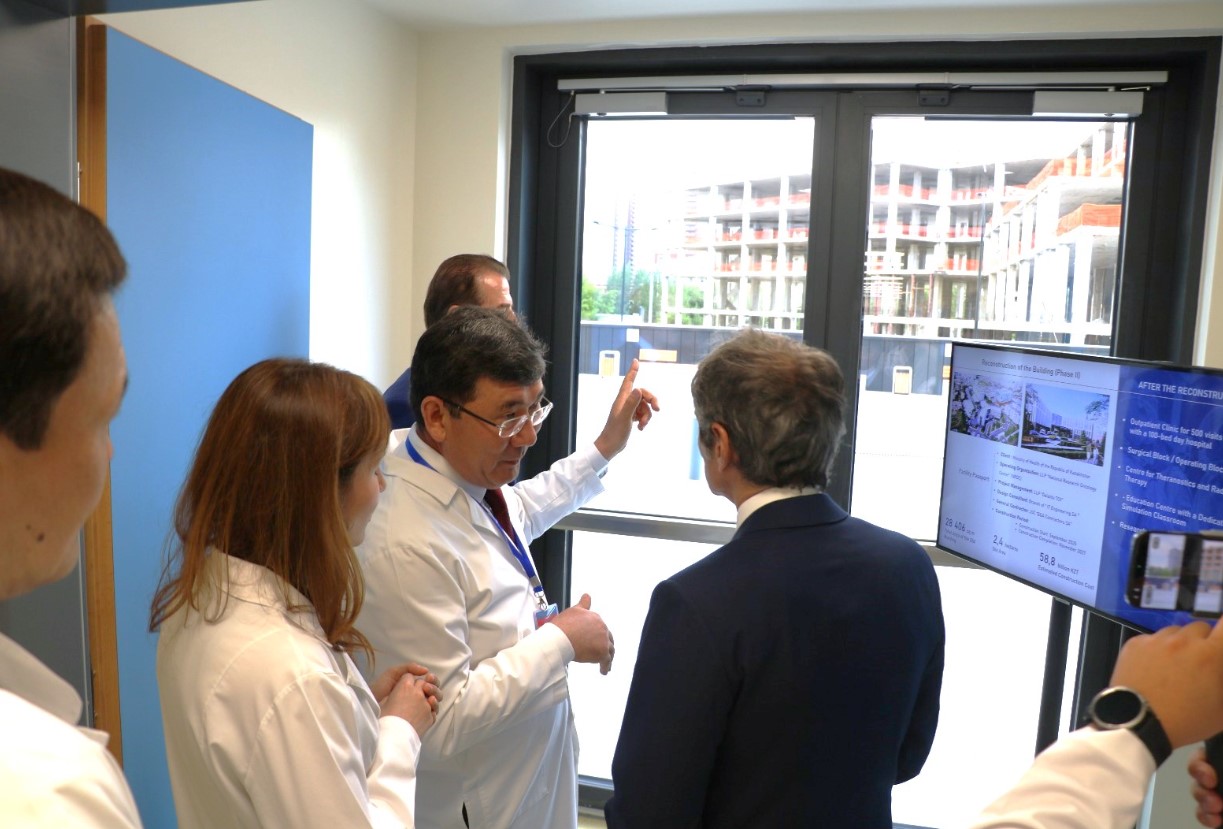
International experts will support the reconstruction of the older NROC building and help prepare facilities for high-tech medical equipment, including modern linear accelerators used in advanced radiotherapy.
The cooperation also предусматривает the implementation of international quality management standards, internal audits, and assessments to ensure the center meets IAEA requirements for Anchor Centre status.
For patients, these changes could mean access to more advanced and precise cancer treatment technologies without the need to seek expensive care abroad.
Kazakhstan Strengthens Its Position in Regional Medicine
The agreement strengthens Kazakhstan’s ambitions to position itself as a medical and scientific hub in Central Asia. In recent years, Astana has increasingly hosted major international discussions in healthcare, nuclear energy, and high technologies.
The emergence of an IAEA Anchor Centre in Kazakhstan could also boost scientific cooperation, attract international experts, and create new opportunities for medical tourism and cross-border healthcare partnerships.
Most importantly, however, the initiative has a direct human dimension. Behind every modernization program and international agreement are patients waiting for earlier diagnosis, safer treatment, and better chances of survival.
In oncology, where time and technology often determine outcomes, international cooperation is no longer just diplomacy — it becomes part of saving lives.
The document was signed by IAEA Director General Rafael Mariano Grossi and NROC Chairman of the Board Zhandos Burkitbayev. The agreement will remain in force for three years with the possibility of extension.