
Mangystau has gained global recognition. The region’s rock-cut mosques have joined the UNESCO World Heritage List, opening new opportunities for cultural and pilgrimage tourism in Kazakhstan, DKNews.kz reports.
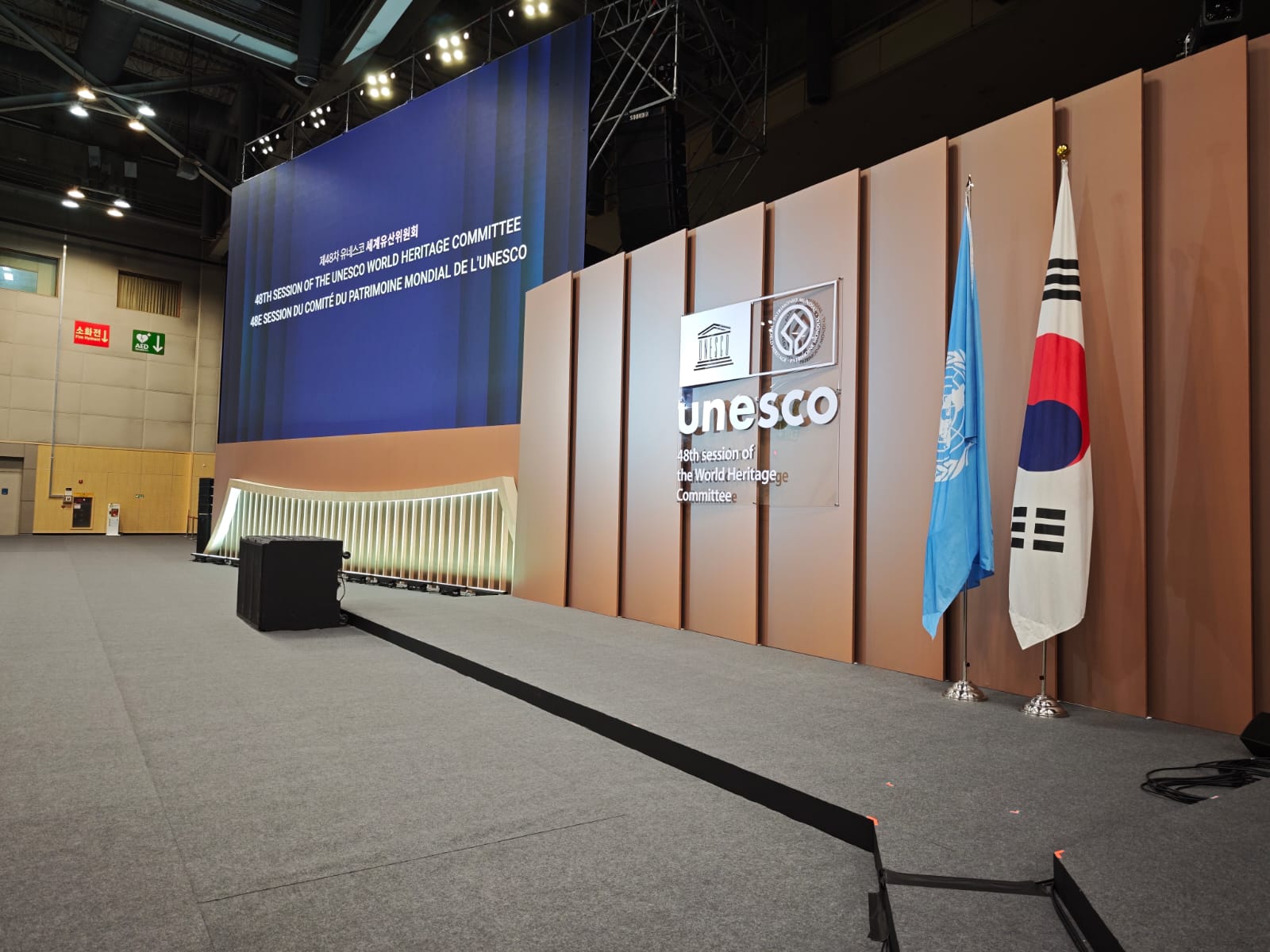
The World Heritage Committee adopted the decision at its 48th session in Busan, South Korea.
UNESCO inscribed the serial property “Rock Mosques and Associated Sacred Sites of Mangystau.” It comprises Beket Ata, Shopan Ata, Qaraman Ata, Shaqpaq Ata and Sultan Epe.
This is Kazakhstan’s seventh World Heritage property and its fourth cultural site on the list.
Why UNESCO’s decision is historic
Kazakhstan’s nomination secured recognition under three UNESCO criteria: (ii), (iii) and (vi).
UNESCO acknowledged the interaction between the Yasawi Sufi tradition and the culture of Turkic nomadic communities, the exceptional value of the sacred landscape and its direct connection with living spiritual practices.
“The rock-cut mosques of Mangystau represent exceptional testimony to a cultural tradition that emerged at the intersection of ancient sacred landscapes and Sufi Islam,” the UNESCO decision states.
These sites are significant not only because of their age or architecture. The steppe landscape, ancient cemeteries, veneration of ancestors, Sufi tradition and pilgrimage culture form a single cultural system.
Some of the mosques occupy natural caves. Others were carved into rock faces or excavated underground.
Their interiors contain prayer halls, mihrabs, rooms for solitude and the tombs of saints.
The sacred complexes also include cemeteries, wells, courtyards, pilgrimage routes and sacred trees. Some burial sites date from between the 10th and 20th centuries.
This heritage has not become a relic of the past. Pilgrims continue to visit the sites, while the shirakshi — traditional shrine guardians — welcome visitors, care for the complexes and pass their customs to the next generation.
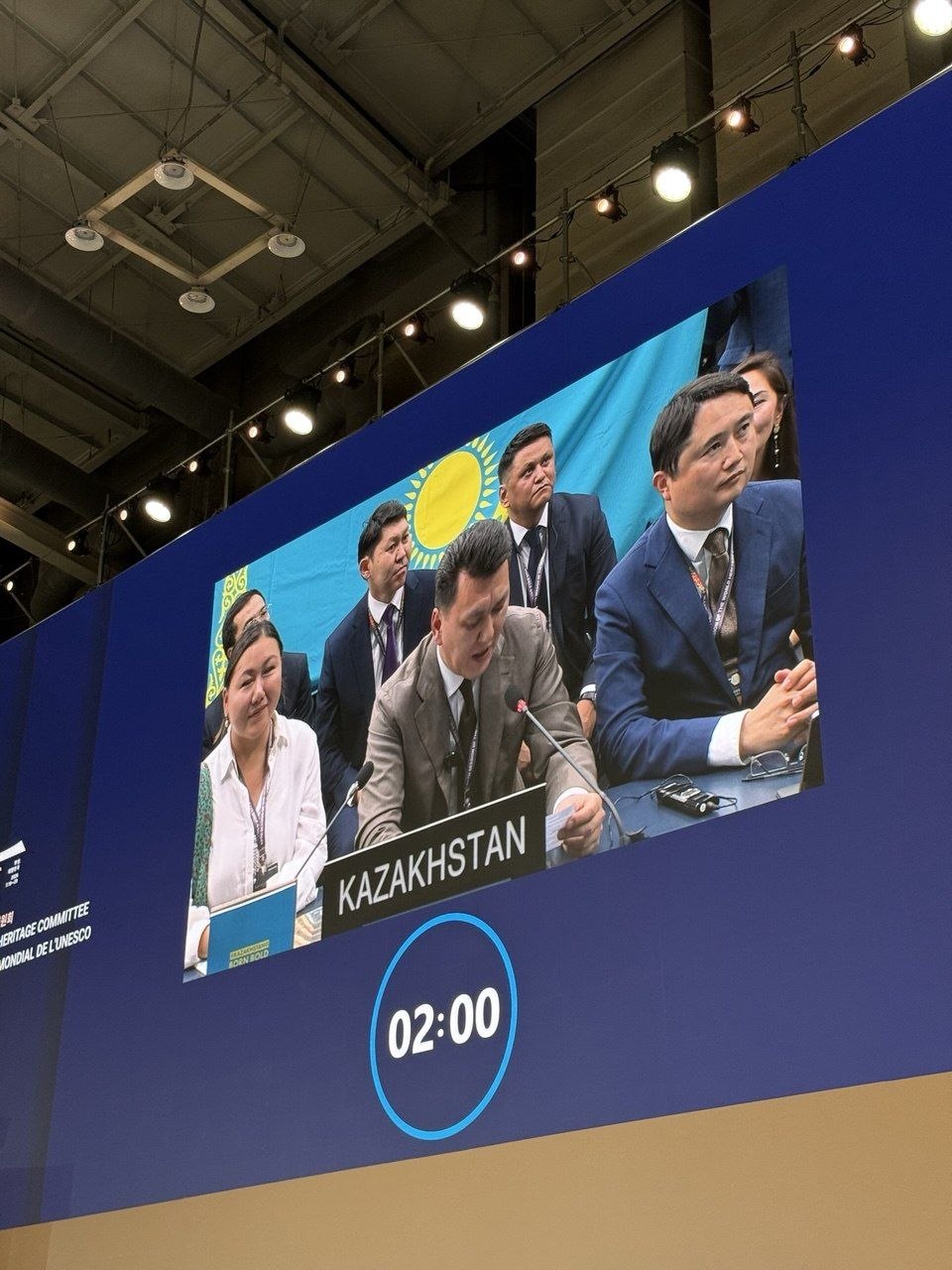
Erlan Karin: “This is a landmark event”
Erlan Karin is First Deputy Chief of Staff of the Presidential Administration of the Republic of Kazakhstan and Chairperson of Kazakhstan’s National Commission for UNESCO and ICESCO. He holds a Candidate of Political Sciences degree and served as Kazakhstan’s State Counsellor before his appointment to his current position on 30 June 2026.
Karin led the Kazakh delegation at the 48th session of the World Heritage Committee in Busan. He presented the historical and cultural significance of Mangystau’s sacred sites and, following the decision, thanked the Committee members and experts from UNESCO and ICOMOS.
“This is a landmark event in the history of Kazakhstan. The last time a site belonging to our national cultural heritage was included on UNESCO’s prestigious list was 22 years ago. The Mausoleum of Khoja Ahmed Yasawi was inscribed in 2003, followed by the Tamgaly petroglyphs in 2004. In recent years, this work has resumed at the President’s initiative and reached a qualitatively new level. In particular, at the third meeting of the National Kurultai in Atyrau in 2024, Kassym-Jomart Tokayev instructed the authorities to begin work on including the rock-cut mosques of Mangystau on the UNESCO World Heritage List.”
Karin said that global recognition brings Kazakhstan more than international prestige. It also requires the country to protect the monuments and their surrounding landscape.
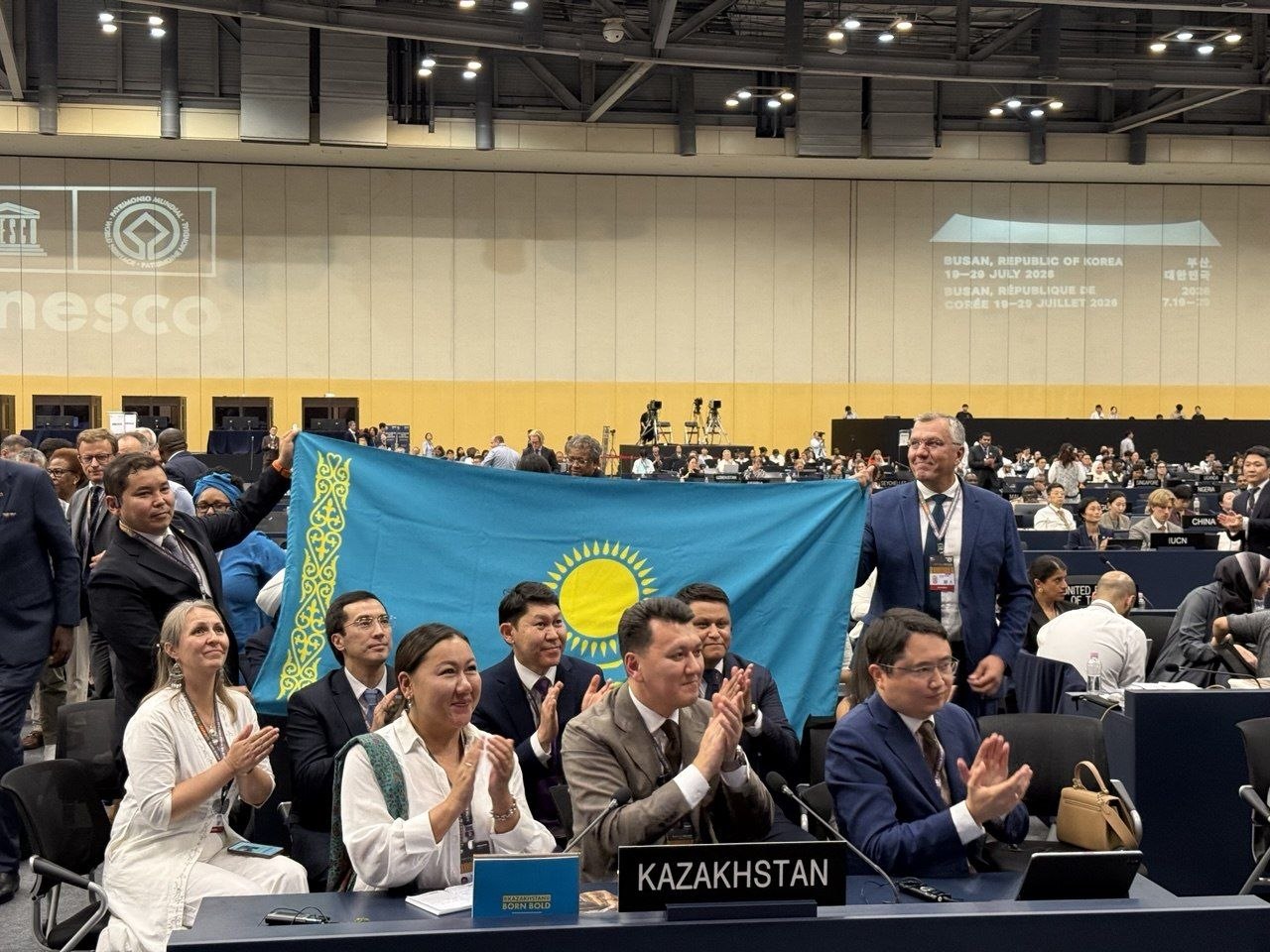
“Taking our rightful place on the UNESCO list is a source of great pride for us. At the same time, this historic achievement places an enormous responsibility upon us.”
According to Karin, the rock-cut mosques were more than places of prayer and pilgrimage. They also served as centres of learning, enlightenment and spiritual life for steppe communities.
“Speaking at the 48th session of the Committee, I noted that the rock-cut mosques of Mangystau were not only places of prayer and worship, but also distinctive centres of education and enlightenment in their time. These rocks preserve the historical memory of our people and the legacy of our ancestors. UNESCO has therefore recognised these sites as an outstanding example of centuries-old spiritual, cultural and architectural traditions.”
One sacred landscape
Beket Ata remains one of Kazakhstan’s best-known pilgrimage destinations. The complex is associated with Beket Myrzagululy, an 18th- and 19th-century Sufi teacher and educator.
Oral tradition describes Shopan Ata as a disciple of Khoja Ahmed Yasawi. Pilgrims visit the mosque along with its surrounding cemetery and wells.
Qaraman Ata is one of Mangystau’s largest sacred complexes. It combines an underground mosque with an extensive historic necropolis.
Shaqpaq Ata was carved into chalk rock and stands out for its unusual cruciform layout. Its walls preserve ornaments, inscriptions and images from different periods.
Sultan Epe is located near the Caspian Sea coast. For centuries, local communities have revered the saint as a protector of travellers, sailors and people embarking on long journeys.
Together, these complexes show how Islamic spirituality adapted to the natural environment and lifestyle of nomadic peoples. Rock became architecture, the steppe became part of the sanctuary, and the pilgrim’s journey became part of the cultural heritage.
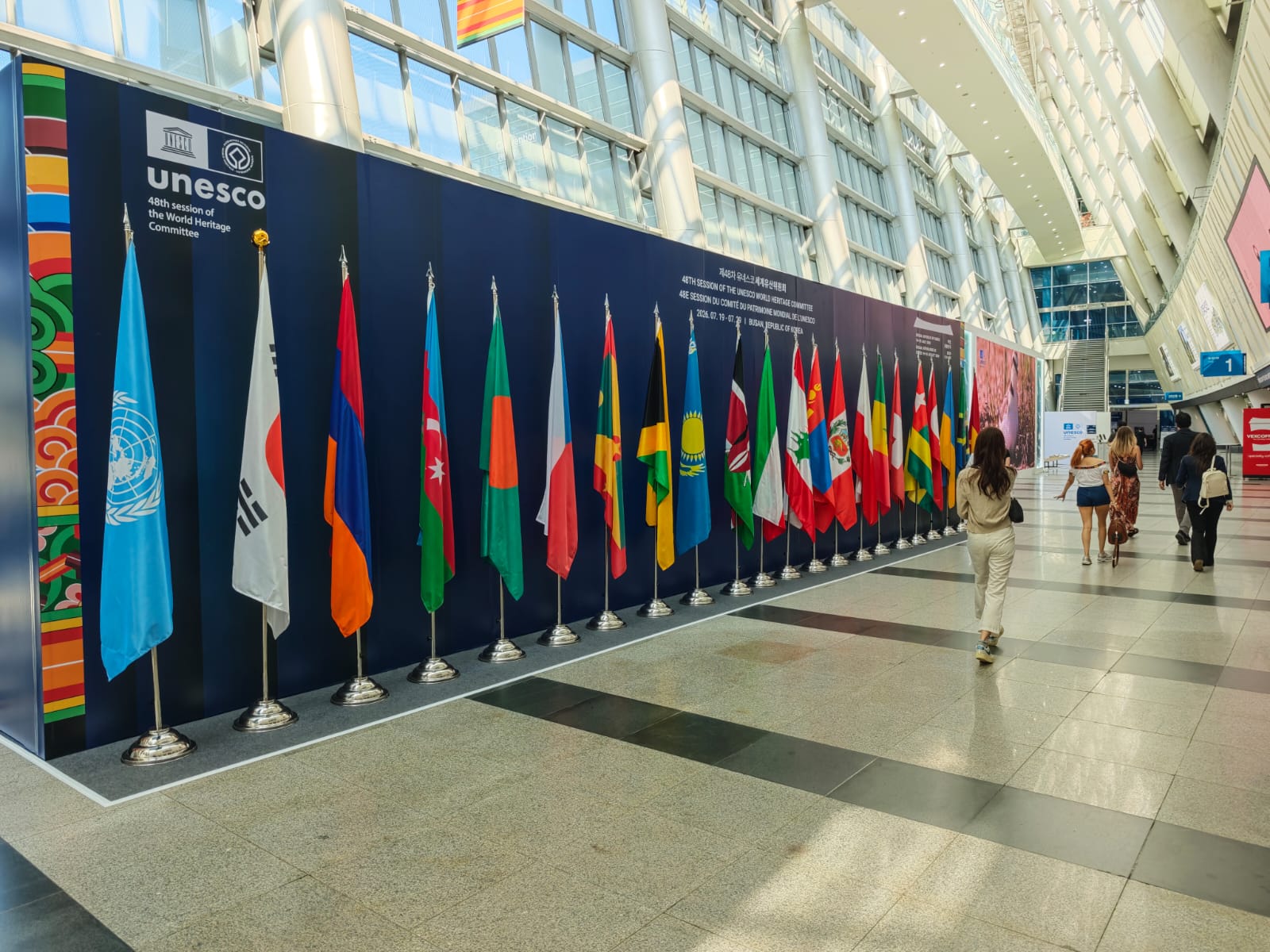
What UNESCO status could bring to Mangystau
The decision places Mangystau on the global cultural map. The region can now attract travellers interested not only in Bozzhyra, the Caspian Sea and desert expeditions, but also in the history and spiritual heritage of Central Asia.
The new status could increase demand for hotels, transport, guided tours, ethnic villages, handicrafts and local guides. Pilgrimage and research tourism could see the strongest growth.
“The inclusion of these historic sites on the UNESCO list will draw even greater international attention to Kazakhstan, give fresh momentum to domestic tourism and create opportunities for infrastructure projects.”
UNESCO status does not provide automatic funding. Economic benefits will depend on how well the region develops roads, sanitation, accommodation, navigation and visitor services.
Mangystau will have to strike a careful balance. A larger flow of visitors could support local businesses, but excessive tourism could damage the tranquillity, authenticity and spiritual character of the sacred sites.
Kazakhstan’s responsibilities
World Heritage status imposes strict conservation requirements. Kazakhstan must monitor construction, visitor pressure, water conditions, climate risks and changes to the surrounding landscape.
Major developments near the sacred sites must undergo Heritage Impact Assessments. New roads, hotels and tourism facilities must not undermine the area’s historic character.
Experts also focused on restoration practices. Kazakhstan was advised to reconsider the use of cement mortar and other modern materials that could alter the historic structure of the rock-cut spaces.
The country must implement an integrated management plan for 2027–2032. It will cover monument conservation, landscape protection, visitor management, scientific research and emergency preparedness.
Shirakshi and local communities must retain their role in managing the complexes. The living spiritual tradition recognised by UNESCO cannot survive without them.
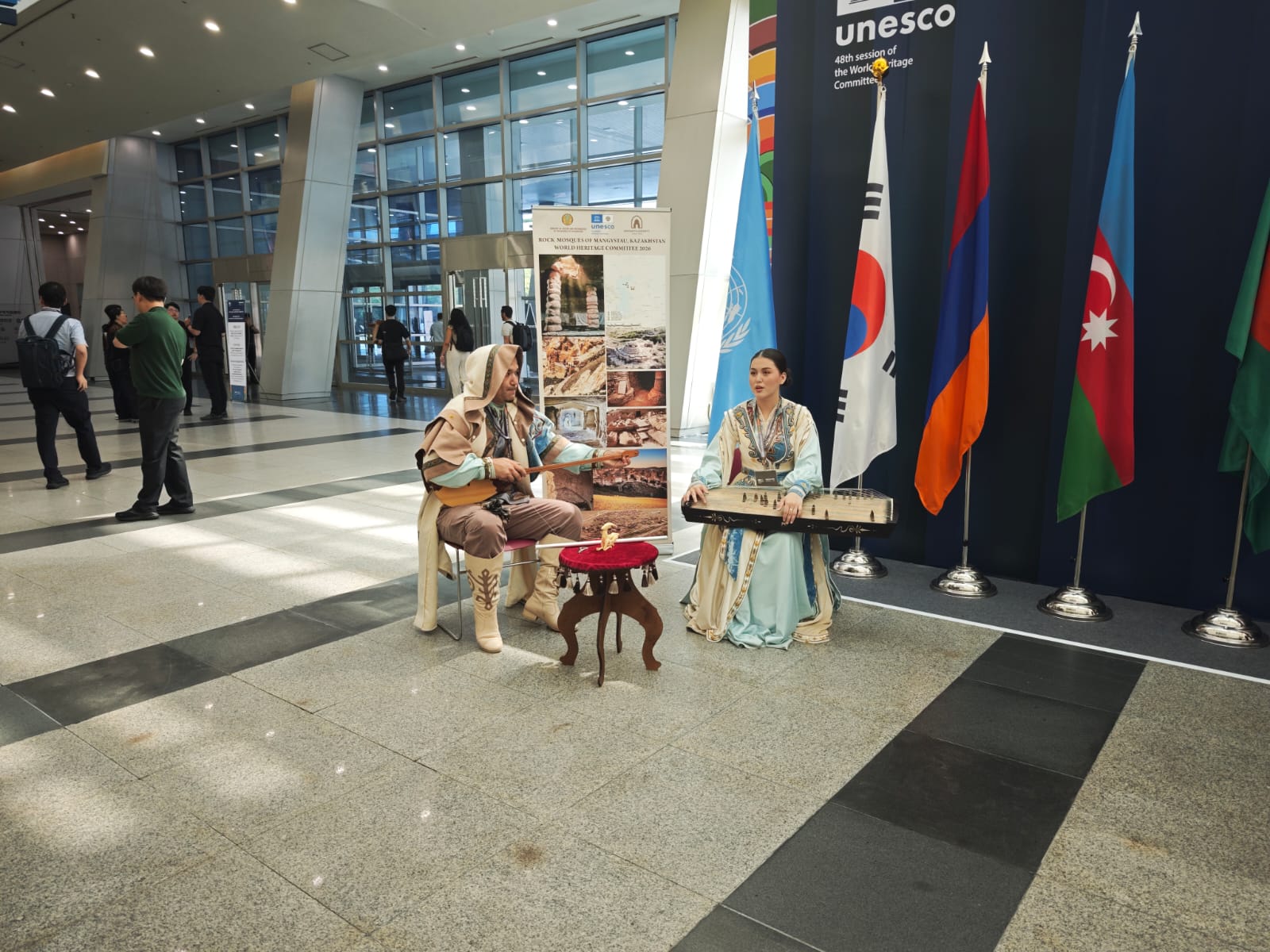
Kazakhstan’s seventh World Heritage property
Before the Mangystau sacred sites, Kazakhstan’s cultural properties on the list included the Mausoleum of Khoja Ahmed Yasawi, the Tamgaly petroglyphs and the Kazakh sections of the Silk Roads’ Chang’an–Tianshan Corridor.
Three other properties belong to the natural heritage category: Saryarka – Steppe and Lakes of Northern Kazakhstan, Western Tien-Shan and the Cold Winter Deserts of Turan.
Preparing the Mangystau nomination took several years. Experts studied the mosques’ architecture, surrounding cemeteries, protected-area boundaries, pilgrimage routes and connections with the culture of nomadic communities.
At the 2024 National Kurultai meeting in Atyrau, President Kassym-Jomart Tokayev instructed the authorities to accelerate efforts to secure World Heritage status for Mangystau’s rock-cut mosques.
Government agencies, the Mangystau regional administration, research institutions, archaeologists, restorers and heritage conservation specialists worked on the nomination.
Which Kazakh sites could come next
Following the Mangystau decision, Kazakhstan plans to continue promoting new national nominations. The priorities include the wooden mosque in Zharkent, the Ascension Cathedral in Almaty, the Karatau petroglyphs and the legacy of Abai.
“This is only the beginning of a major effort. At the meetings of the National Kurultai in Atyrau, Turkistan and Kyzylorda, the Head of State instructed us to intensify work on including national nominations in UNESCO lists. In particular, the task has been set to nominate the Zharkent Mosque, built entirely of wood, the Ascension Cathedral in Almaty, the Karatau petroglyphs and Abai’s ‘Words of Edification.’ Our further efforts will focus on these goals.”
Pilgrims, local residents and shirakshi have protected Mangystau’s sacred sites for centuries. The international community has now formally recognised their value.
The next challenge is even greater than securing the nomination: turning global recognition into regional development without sacrificing the tranquillity, authenticity and spiritual meaning of these places.