

Seoul does not choose between its past and its future.
In a single day, visitors can explore a 15th-century palace in hanbok and then walk through former factories occupied by designers, cafés and global brands. These are not three different cities but one integrated experience economy.
The final day of the working trip brought together Changdeokgung Palace, a hanbok experience and a tour of Seongsu-dong. At first glance, it looked like an ordinary tourist itinerary.
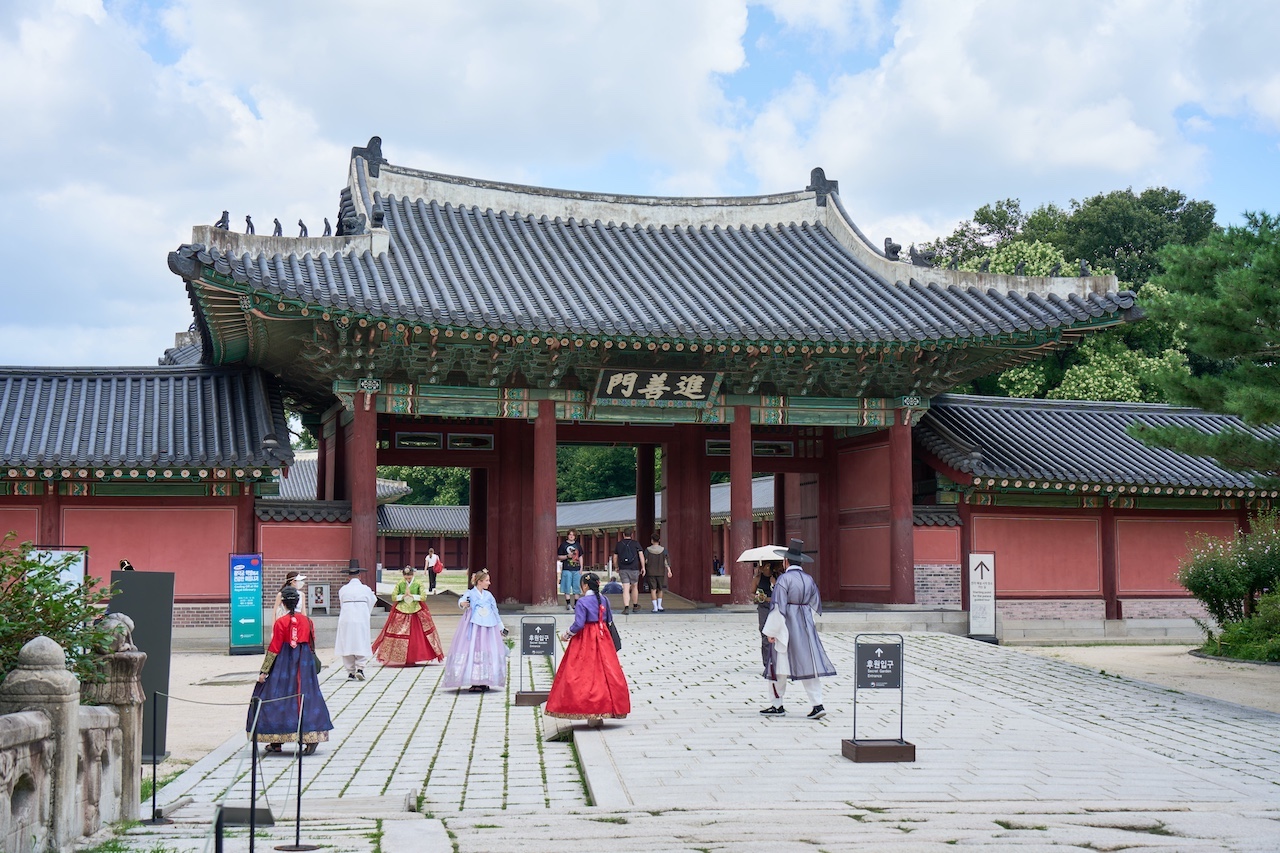
In reality, the route revealed three Korean approaches to heritage: strict monument protection, the transformation of tradition into personal experience and the adaptive reuse of industrial architecture.
The Palace Was Not Frozen in Time
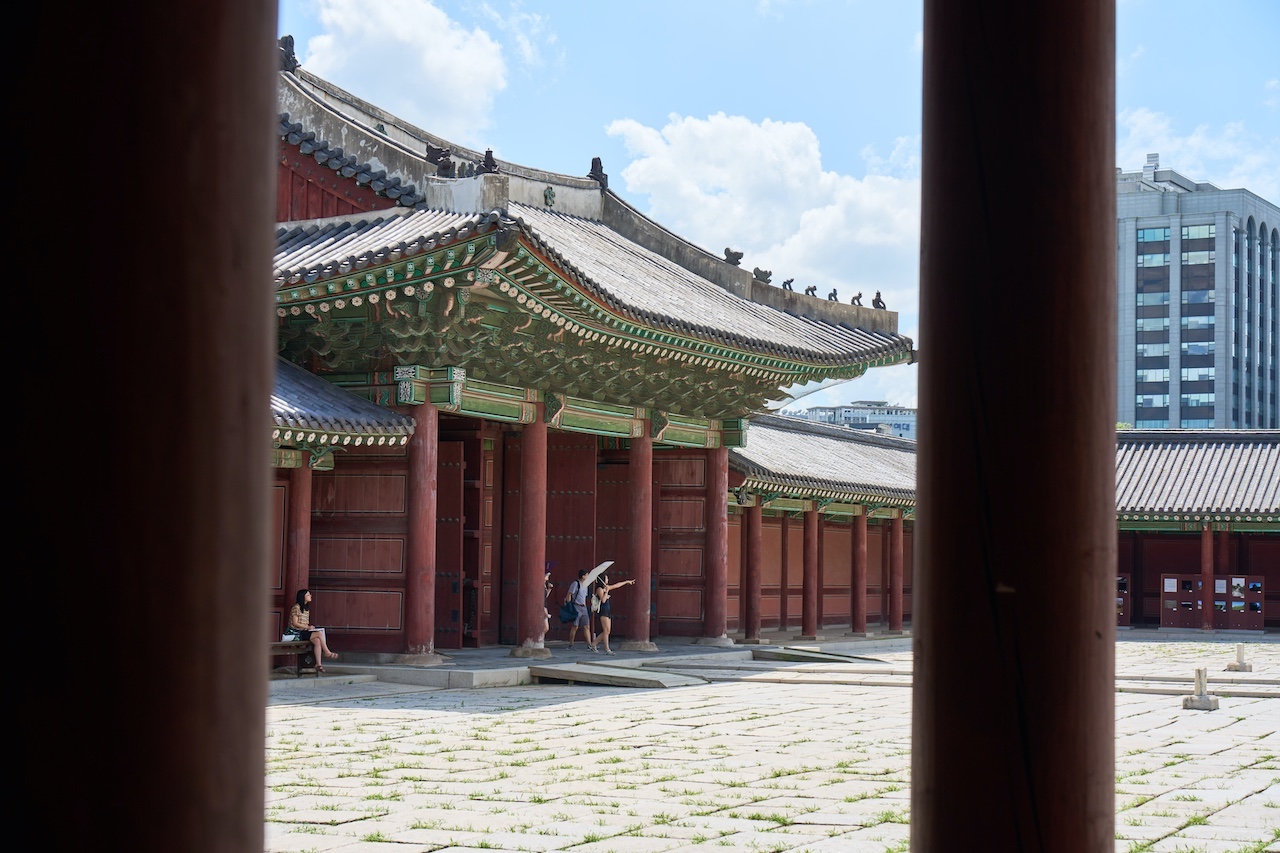
Changdeokgung was built in 1405 as a secondary palace of the Joseon dynasty. After the destructive wars of the late 16th century, it was restored before Seoul’s other royal residences and served as the principal palace for around 250 years.
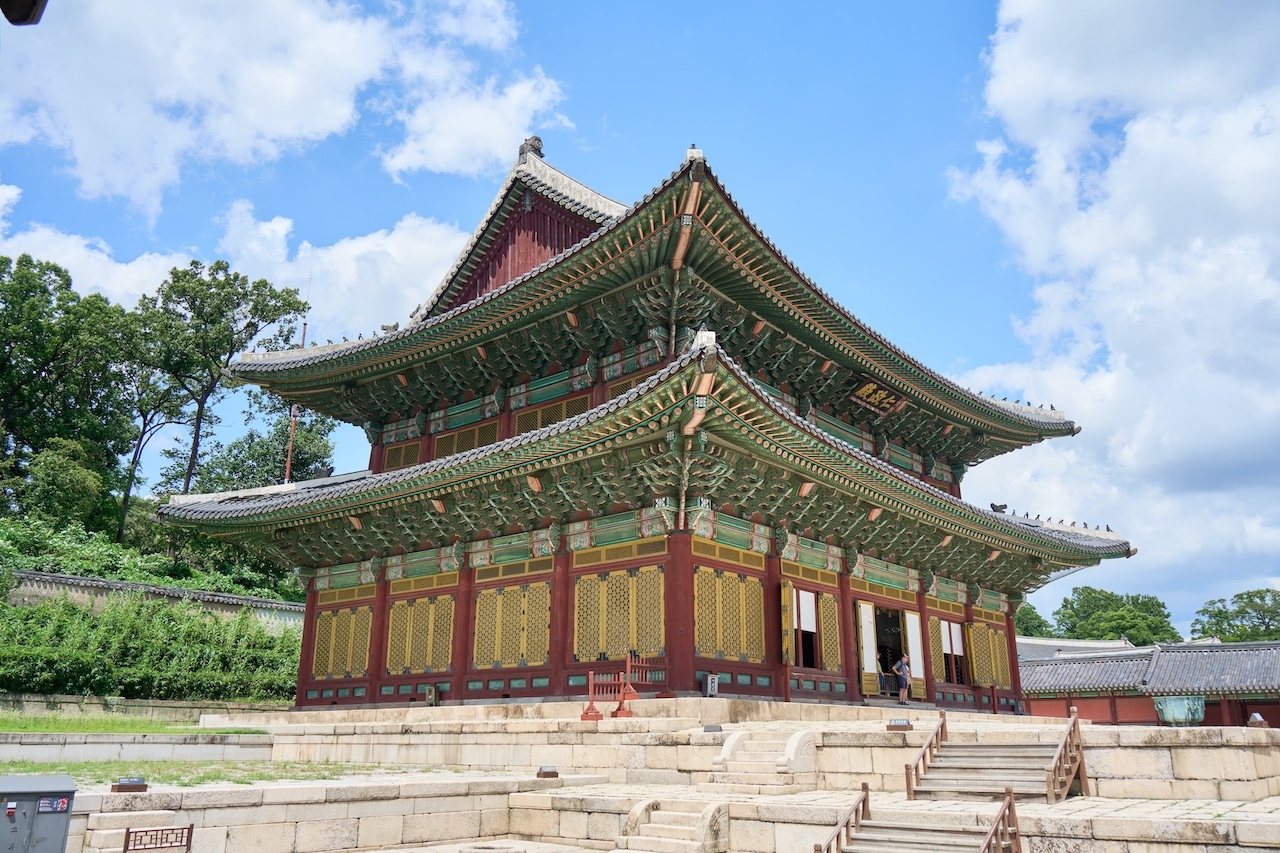
The complex occupies 57.9 hectares in northern Seoul. UNESCO inscribed it on the World Heritage List in 1997.
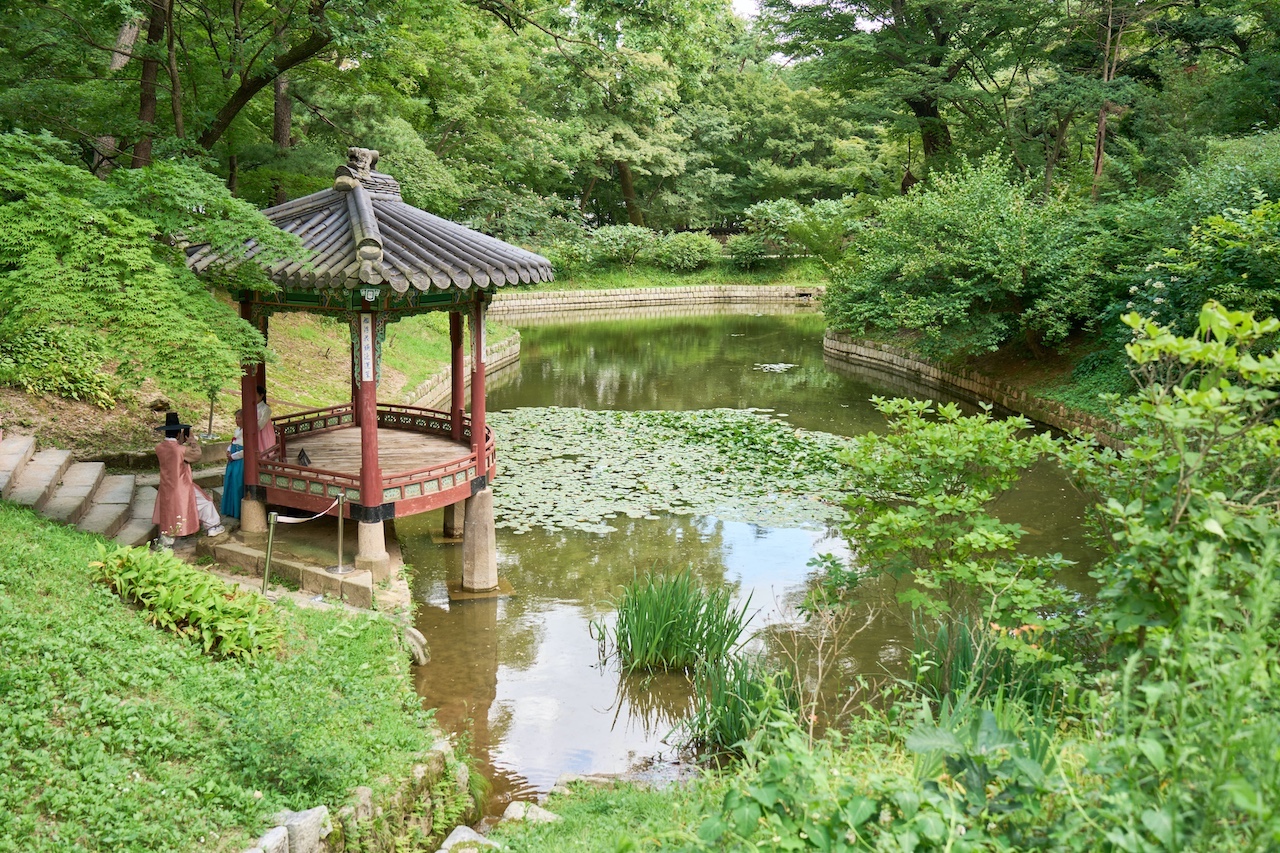
Changdeokgung is not valued for sheer size or rigid symmetry. Its architects adapted the buildings to the natural terrain, preserving the slopes, forest and irregular topography.
The palace did not subdue nature. It became part of it.
“Changdeokgung is an outstanding example of East Asian palace architecture and garden design,” UNESCO states.
The Secret Garden contains tens of thousands of trees and plants. Its ponds, pavilions and terraces do not form perfect geometric patterns, but this natural quality distinguishes Changdeokgung from many other Asian palace complexes.
The state is responsible for protecting the property. Construction within 100 metres of its boundaries requires special authorization, while a dedicated management office monitors the palace every day.
Detailed professional monitoring takes place every three to four years. An integrated security system protects the wooden buildings from fire and other emergencies.
Korea does not weaken conservation rules to increase tourist traffic. It makes the tourism product operate within those restrictions.
Hanbok Turned Spectators into Participants
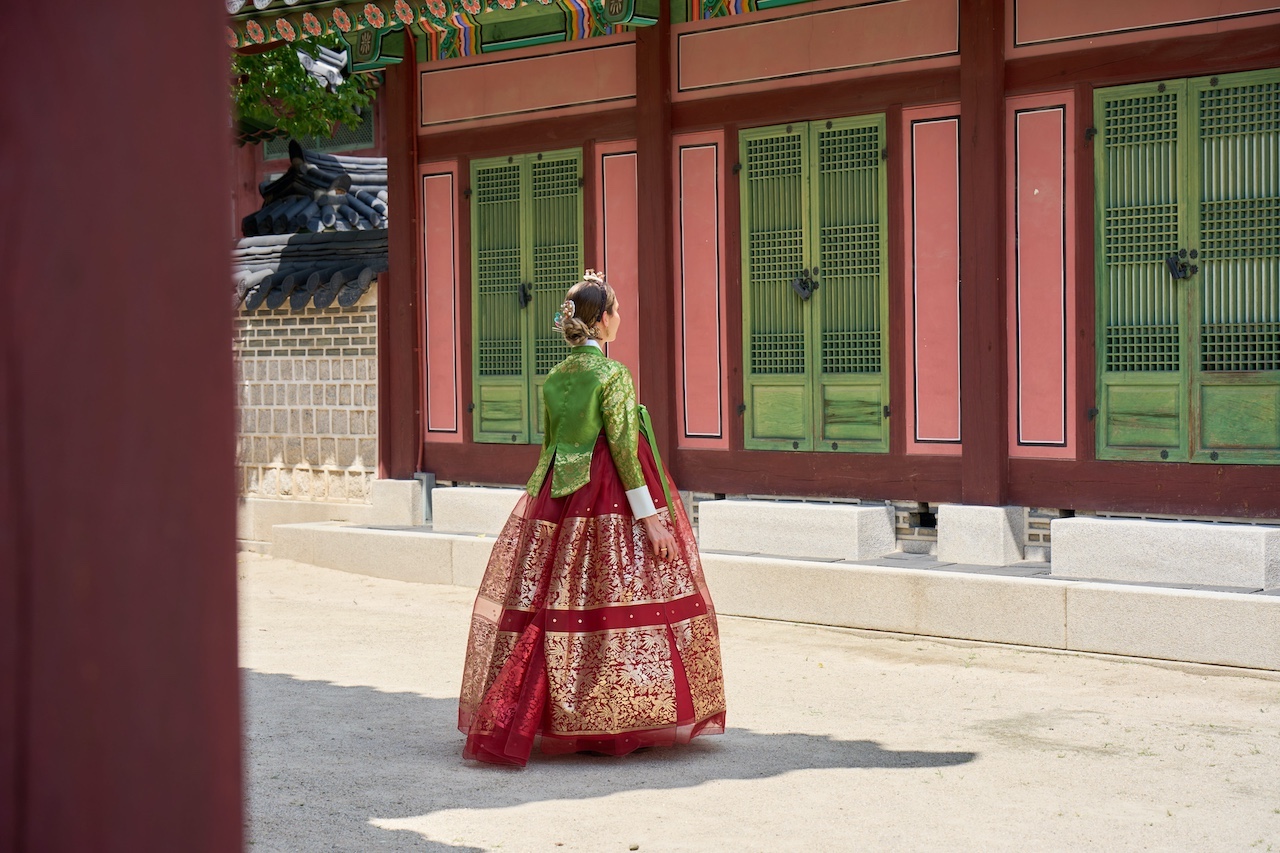
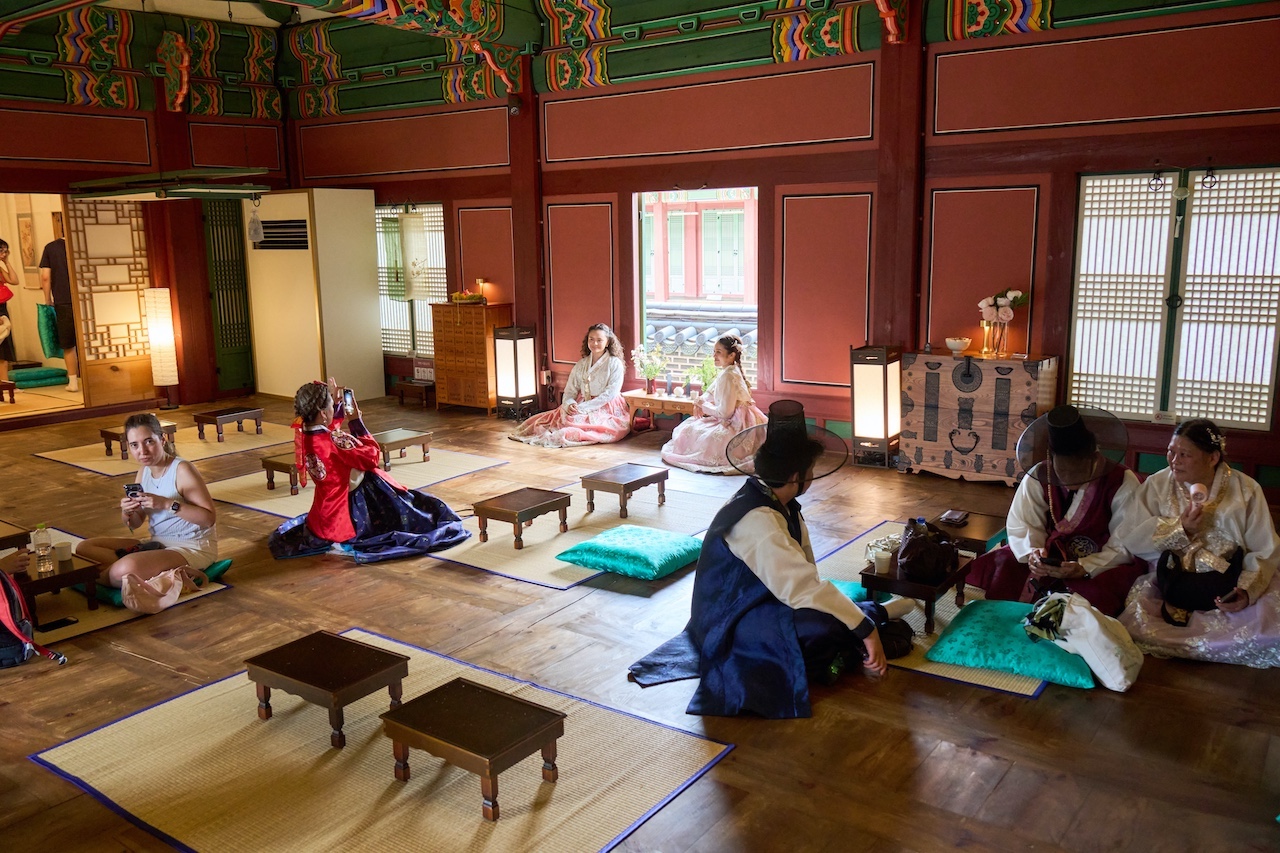
An ordinary visitor observes a palace from the outside. A person wearing hanbok becomes part of the setting.
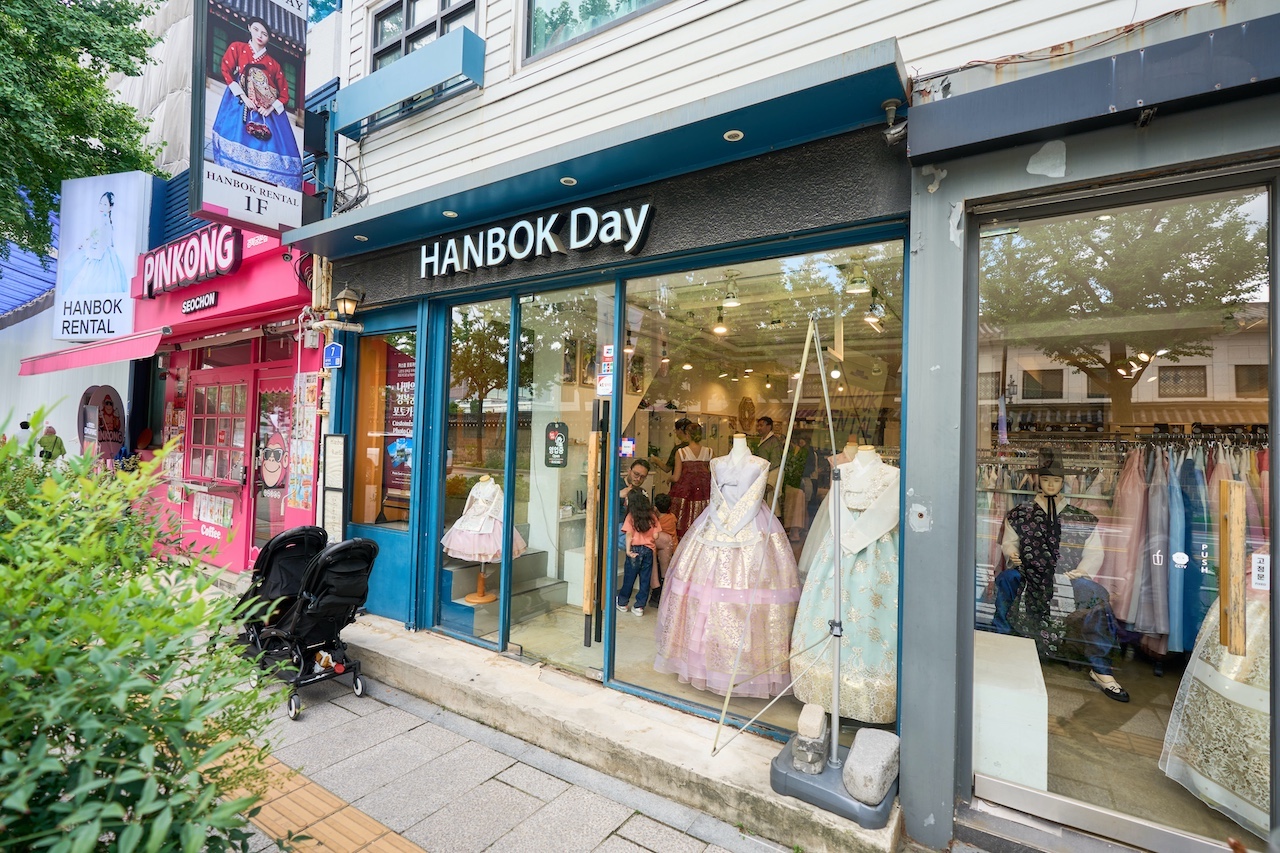
Korea turned that difference into an economic model.
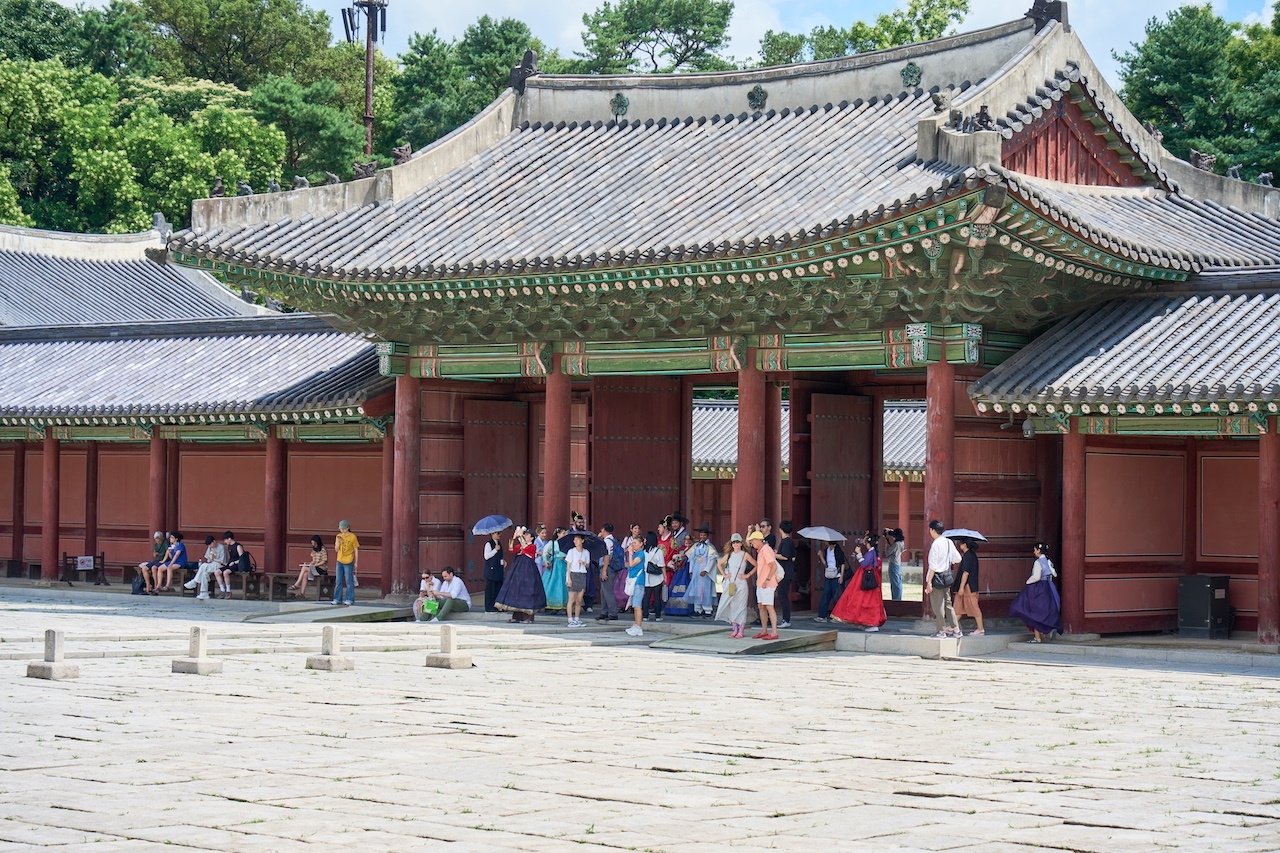
Visitors in traditional Korean clothing receive free admission to the main palace area of Changdeokgung. The Secret Garden requires a separate ticket, allowing the authorities to control numbers in the most sensitive part of the complex.
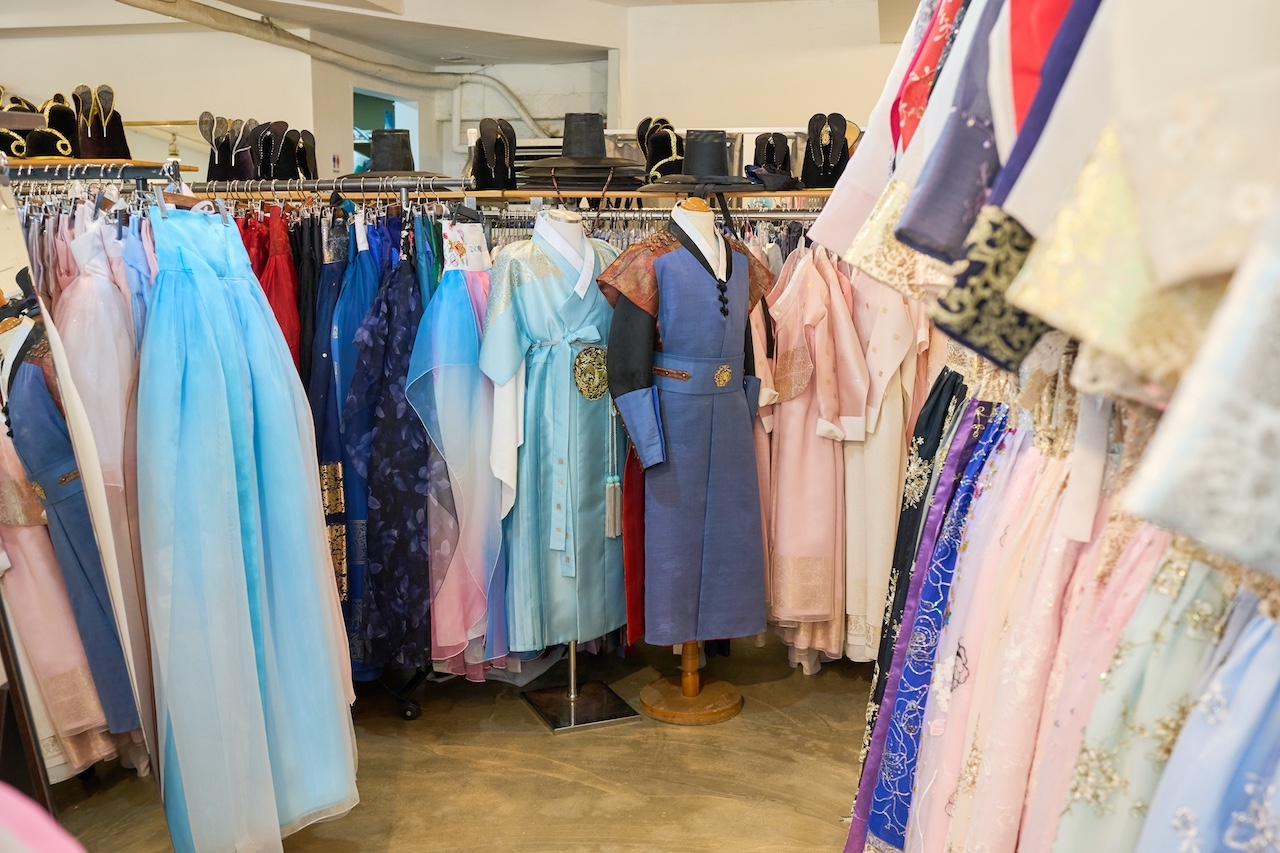
A rental economy has grown around Seoul’s royal palaces. Shops offer dozens of designs, accessories, hairstyling and assistance with photography.
Renting a traditional hanbok for four hours can cost around 20,000 won. Themed outfits may reach 40,000–50,000 won, depending on the package and rental period.
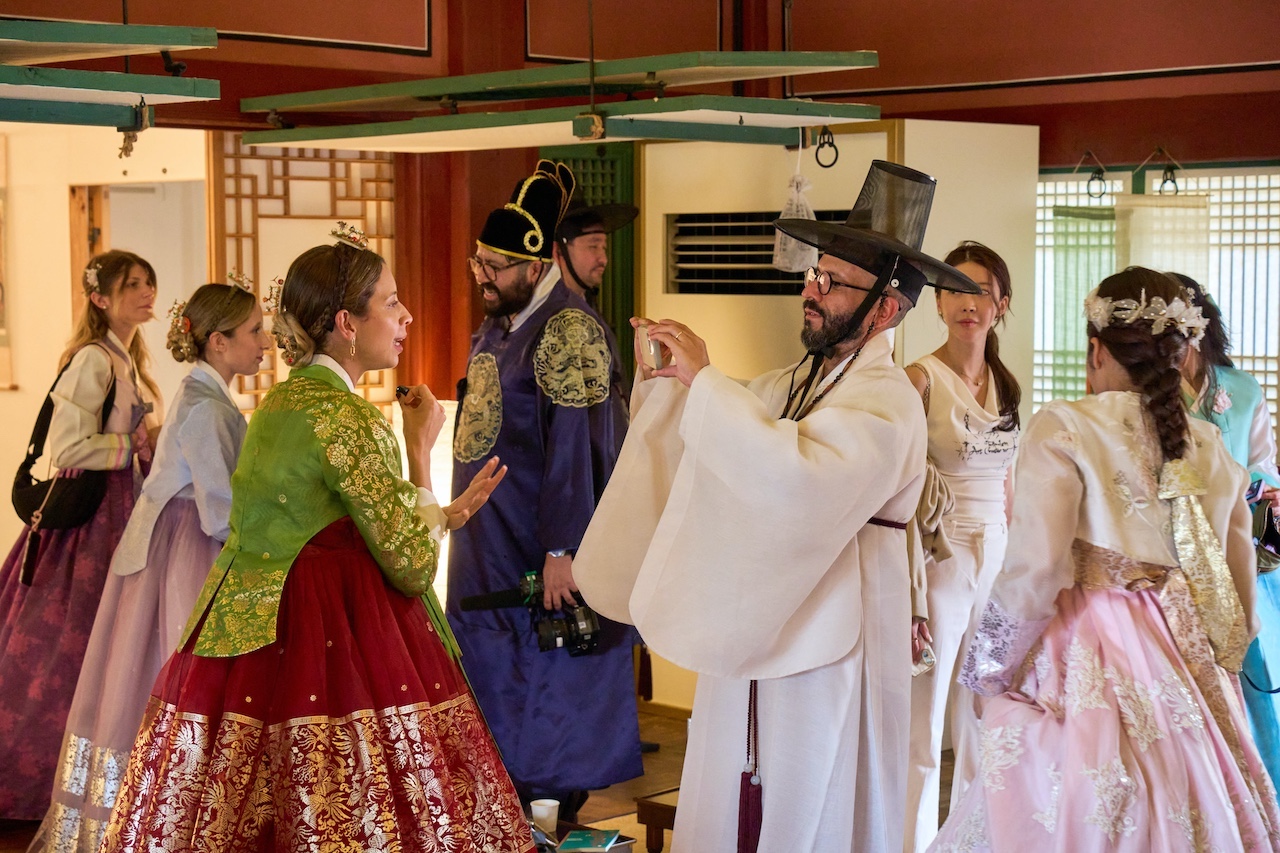
The state gives up a small admission fee, but the city gains a longer chain of spending. Visitors pay for clothing, hairstyling, photography, coffee, souvenirs and transport.
One free ticket triggers several commercial transactions around the heritage site.
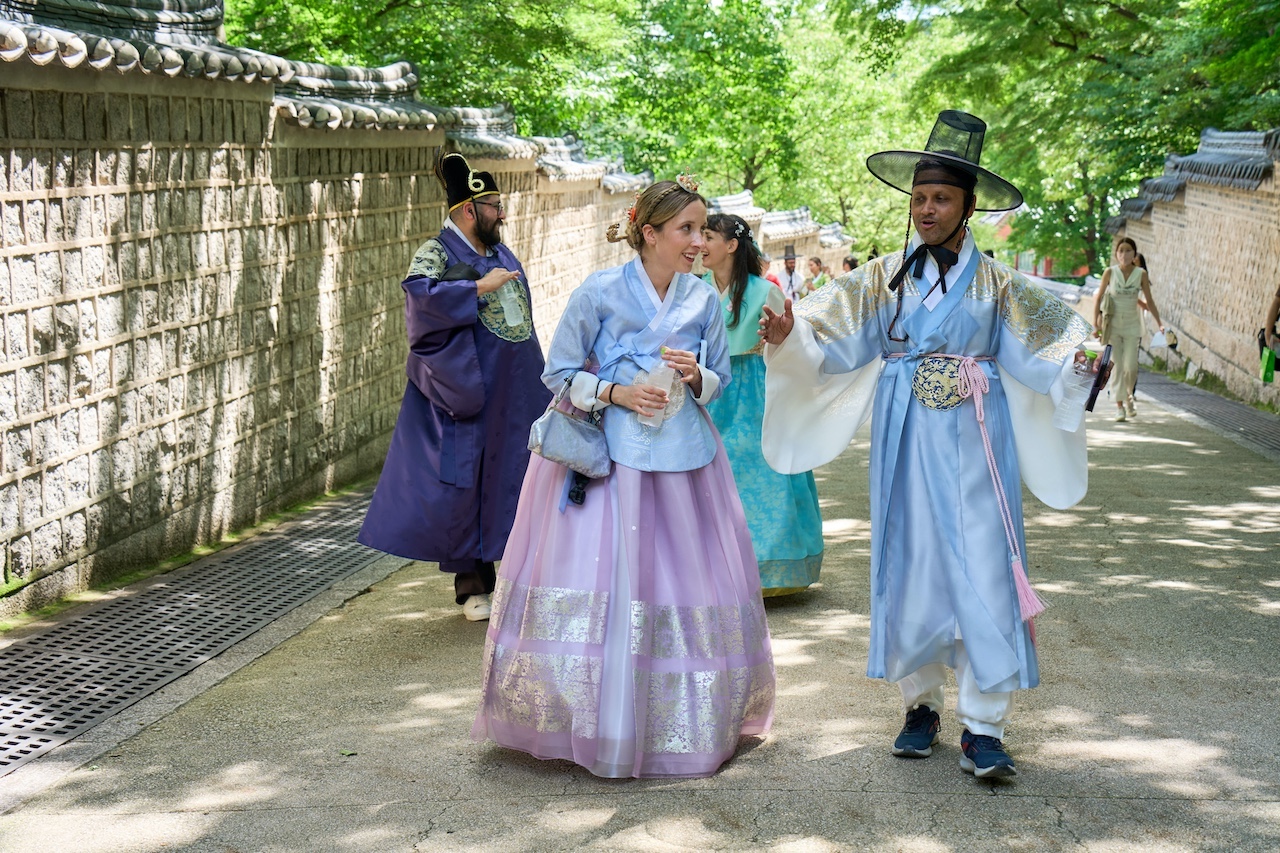
The main effect, however, takes place on a smartphone. Visitors take photographs and videos, distributing images of Korea without signing an advertising contract with the state.
Hanbok becomes a media platform.
The palace provides a convincing backdrop, while the clothing turns architecture into a personal story. People share their own experience inside Korean culture rather than a photograph of someone else’s monument.
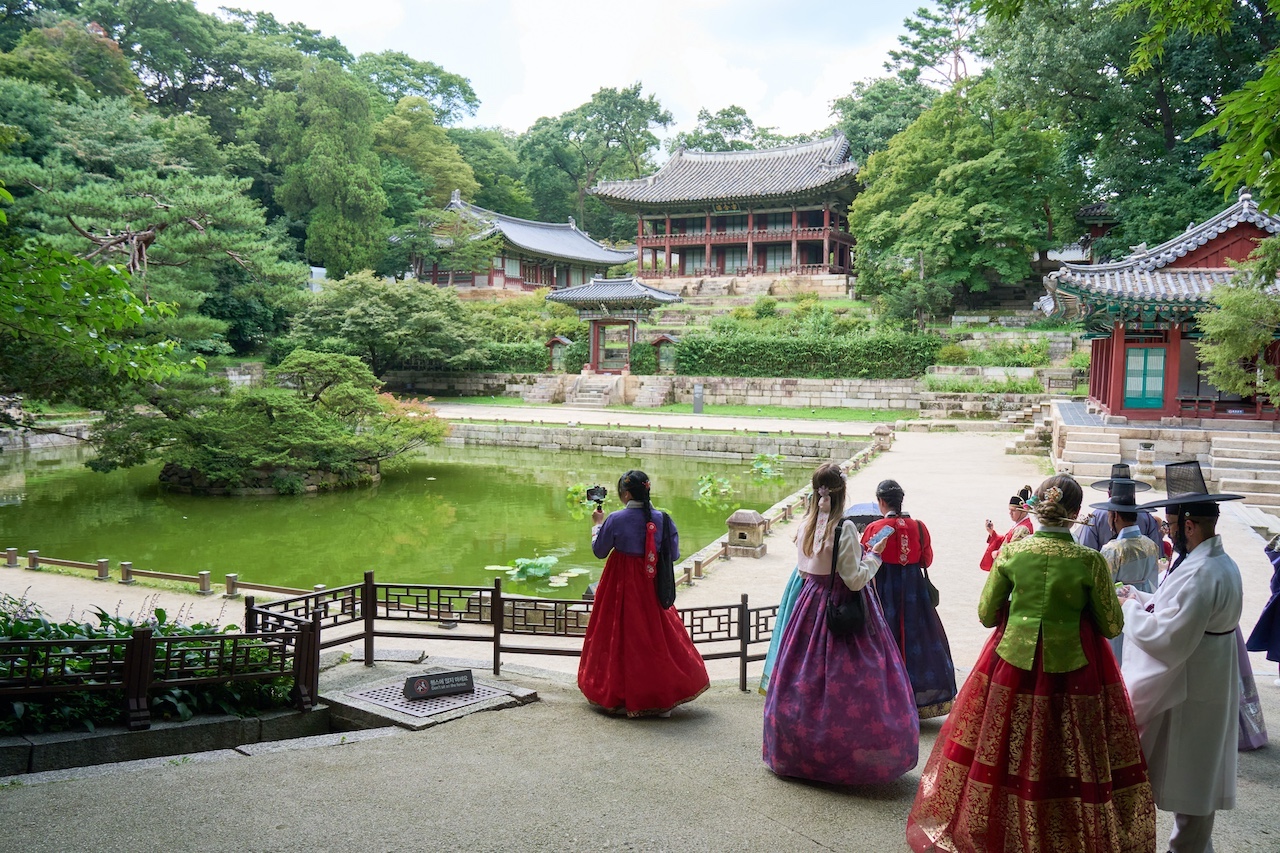
Tradition moves out of the museum display and into Instagram, TikTok and Google travel recommendations.
Where Culture Ends and Costume Begins
The model has a weak point.
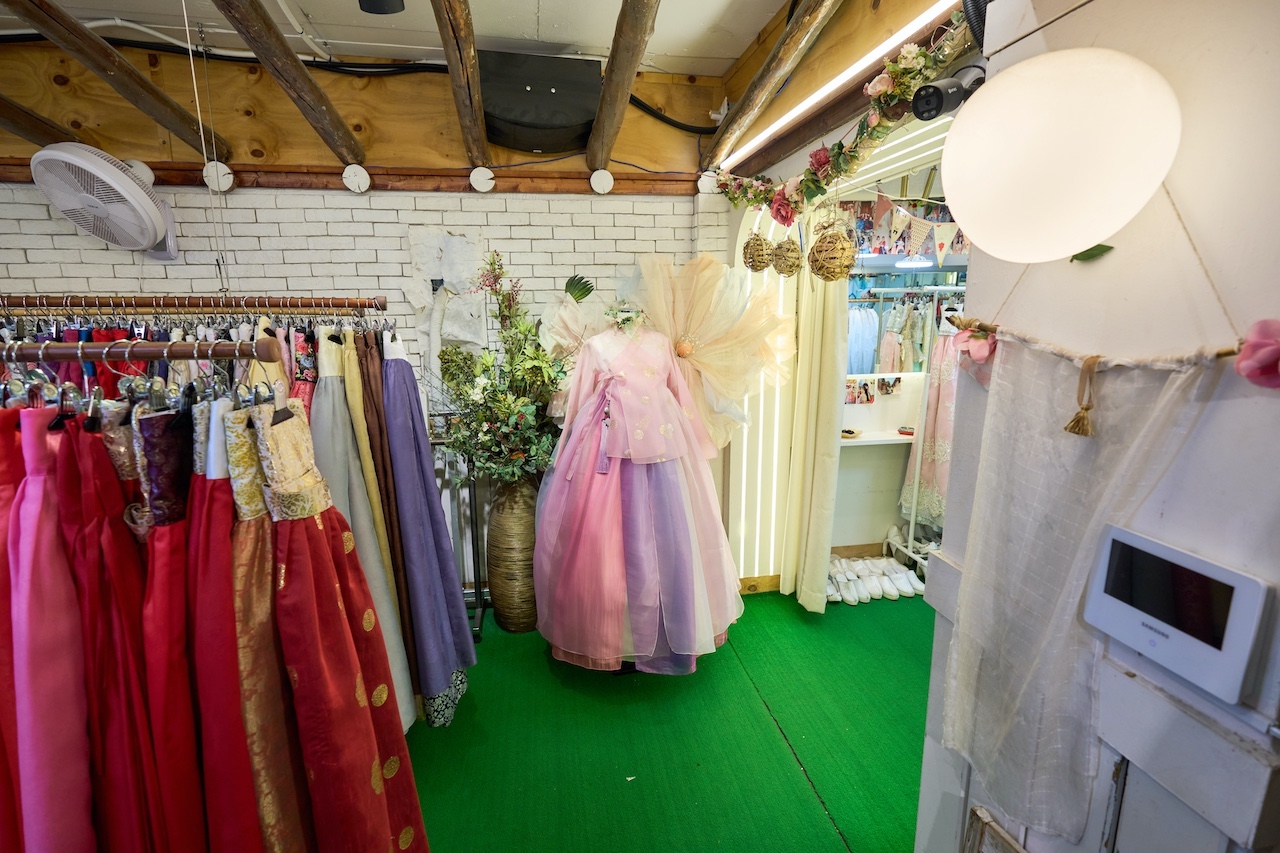
Rental hanbok often differs from historically accurate clothing. Bright fabrics, simplified tailoring and fantasy royal styles look effective in photographs but risk reducing tradition to a carnival costume.
Korea responds with deeper cultural content rather than bans. Palace programs explain royal life, craftsmanship, music and the proper use of traditional clothing.
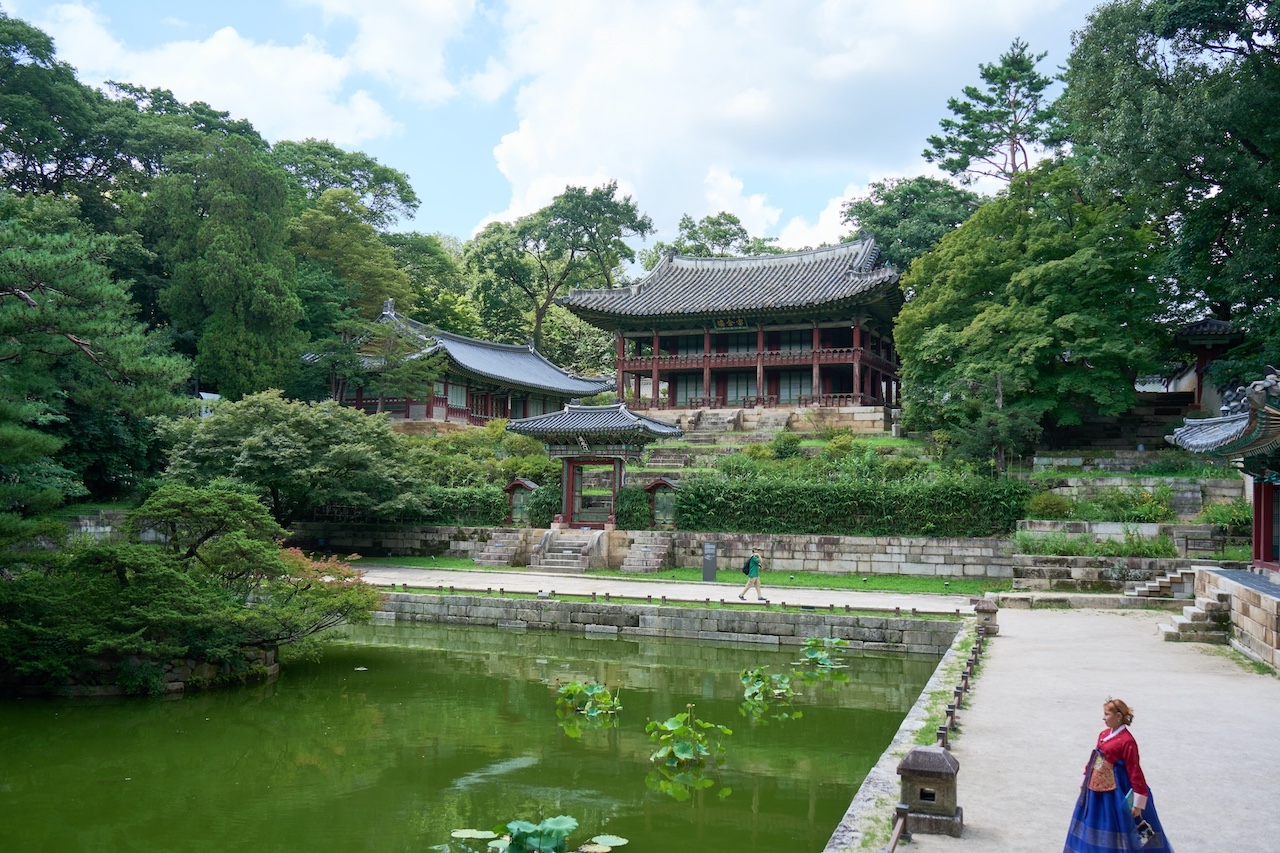
Royal festivals combine hanbok with dance, traditional tea ceremonies, calligraphy and historical tours. Clothing becomes an entry point into culture rather than a substitute for it.
This is a direct lesson for Kazakhstan.
Putting on a shapan for a photograph is not enough. The experience should explain the craftsperson, material, ornament, regional tradition and cultural meaning behind the garment.
Seongsu-dong: A Factory of New Demand
After Changdeokgung, Seoul changes the scenery completely.
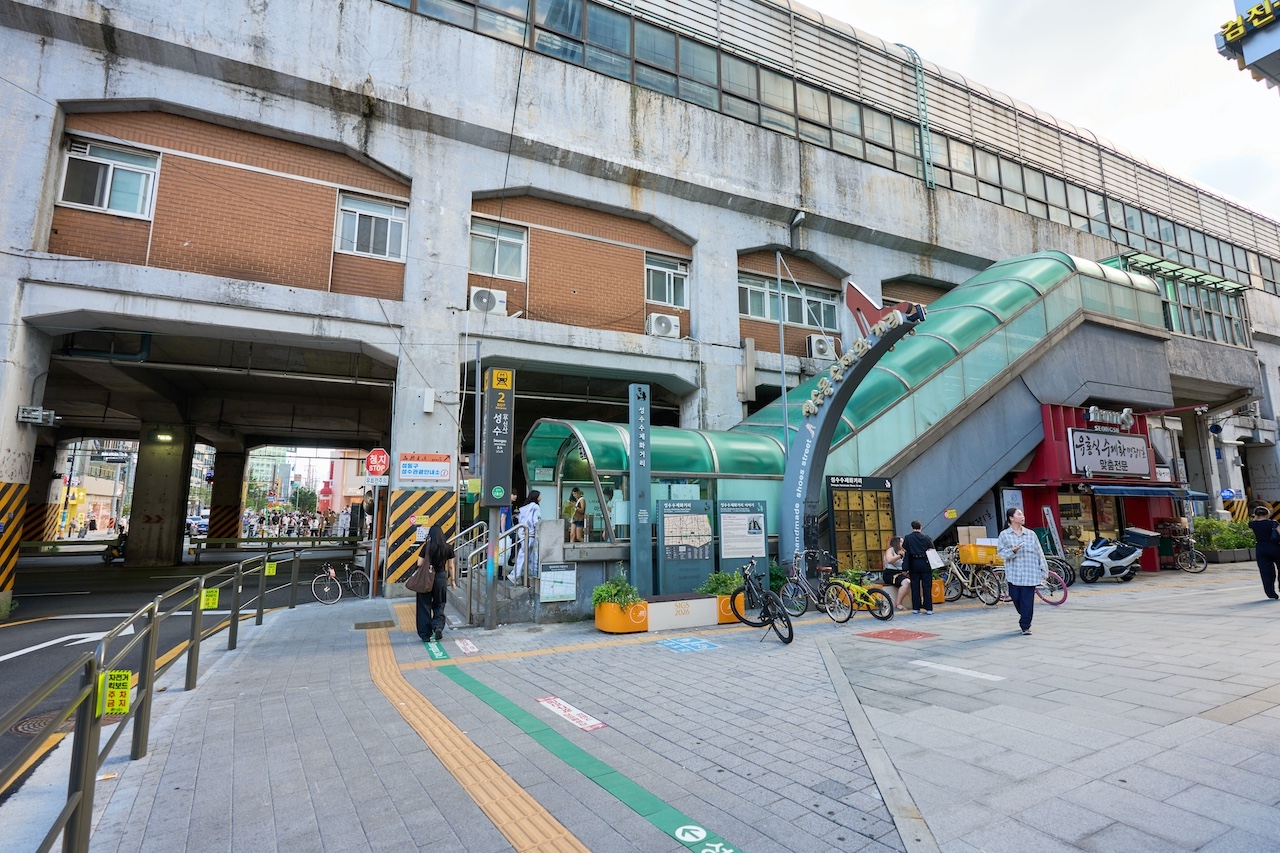
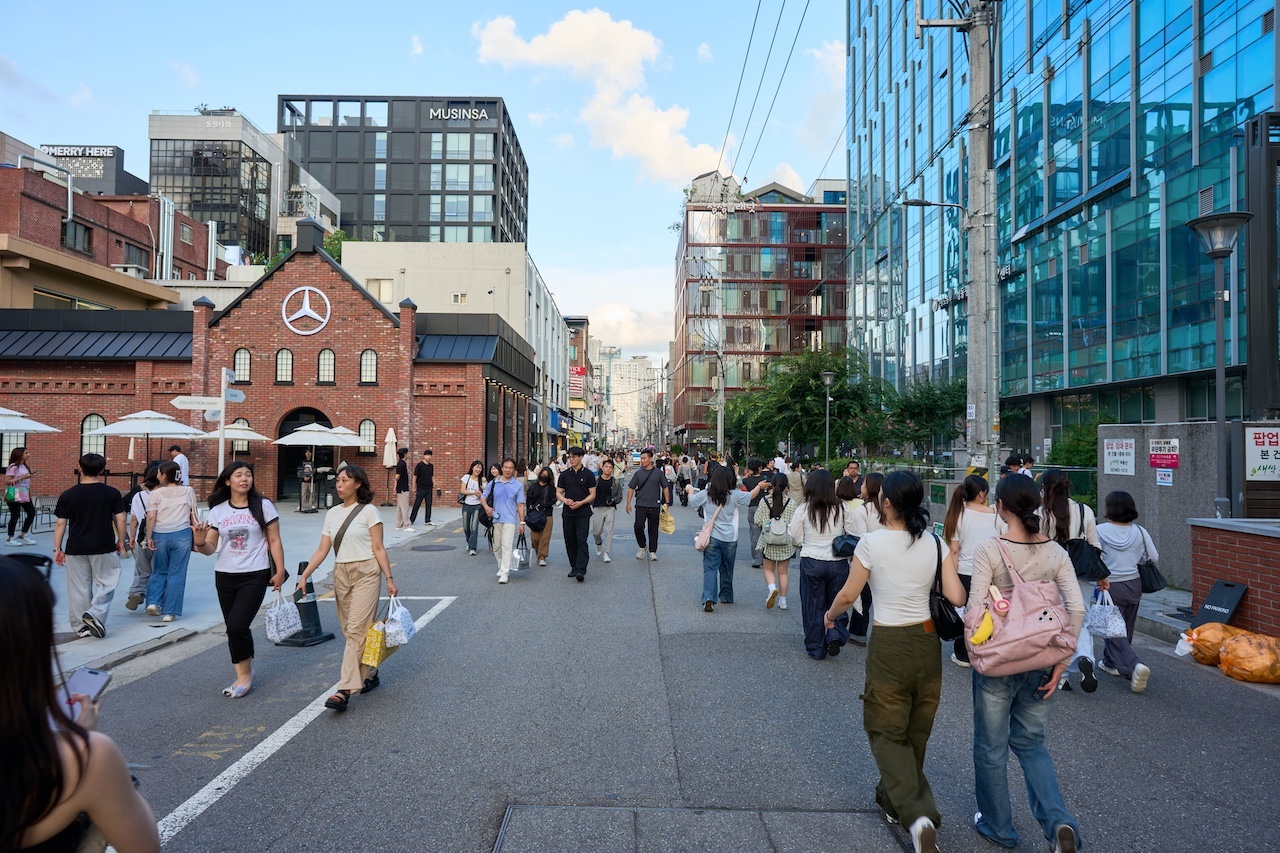
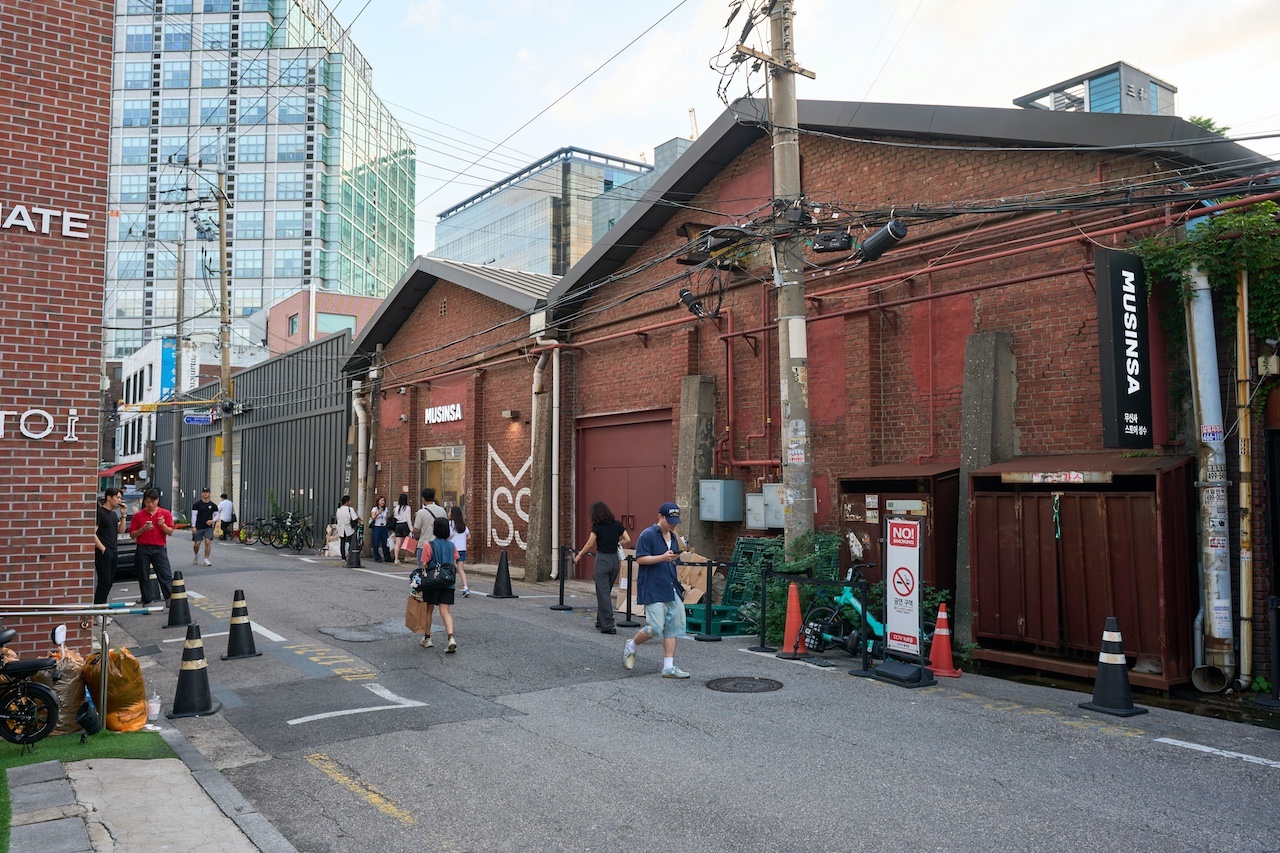
For decades, Seongsu-dong was an industrial district filled with workshops, printing businesses, car repair shops and footwear factories. Handmade shoe manufacturers began concentrating there in the 1970s.
Today, the district retains around 350 handmade shoe manufacturers and approximately 100 material suppliers and intermediate-processing companies. Cafés, galleries, designer shops and temporary spaces operated by global brands have appeared between the active workshops.
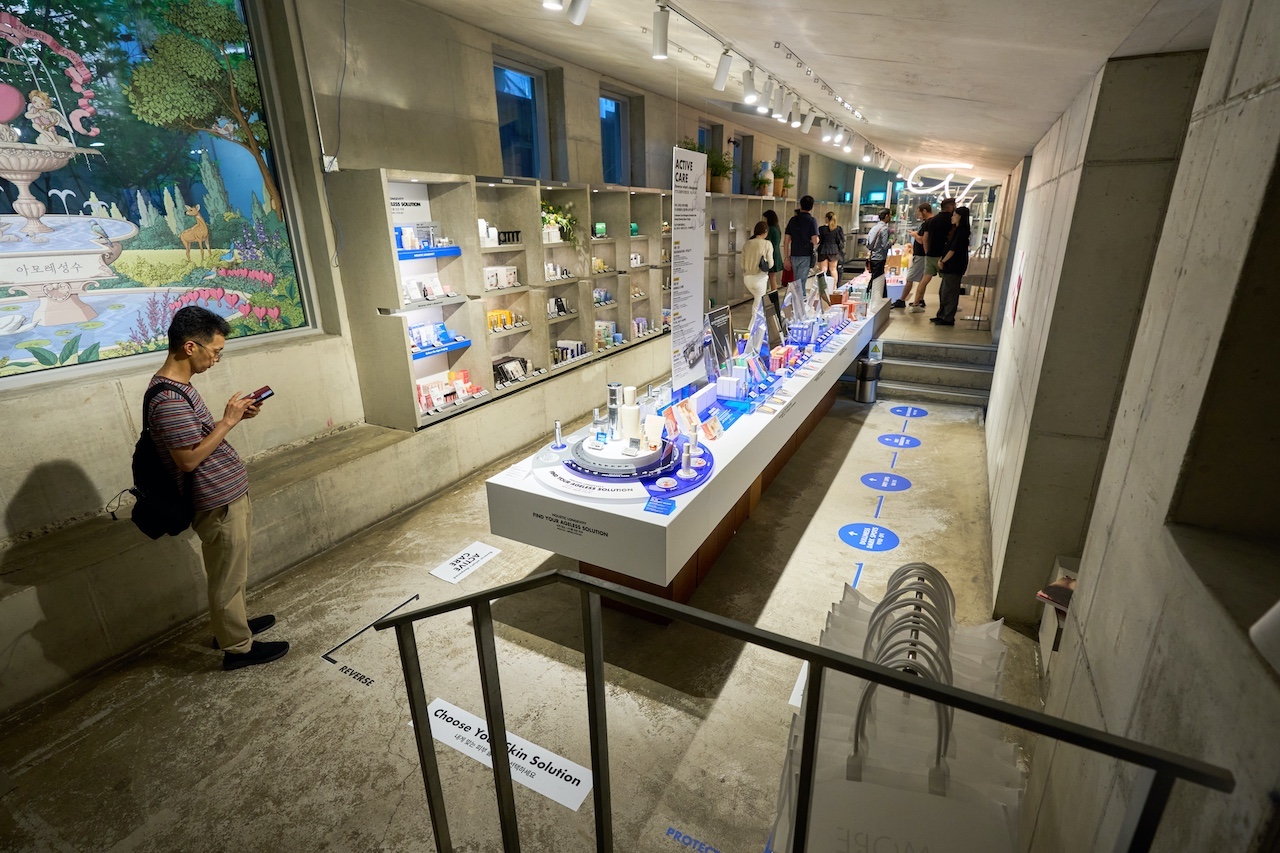
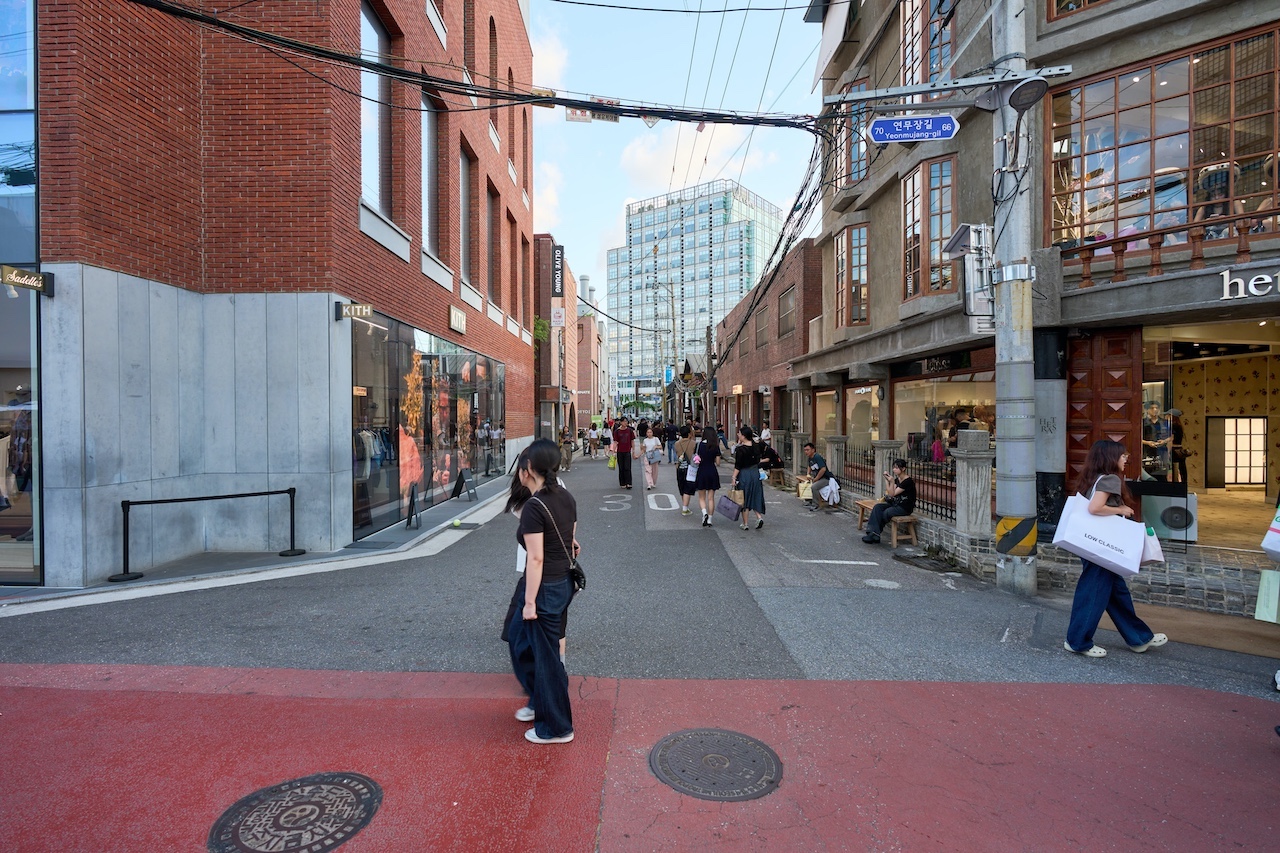
The old factory walls did not obstruct the new economy. They created its visual language.
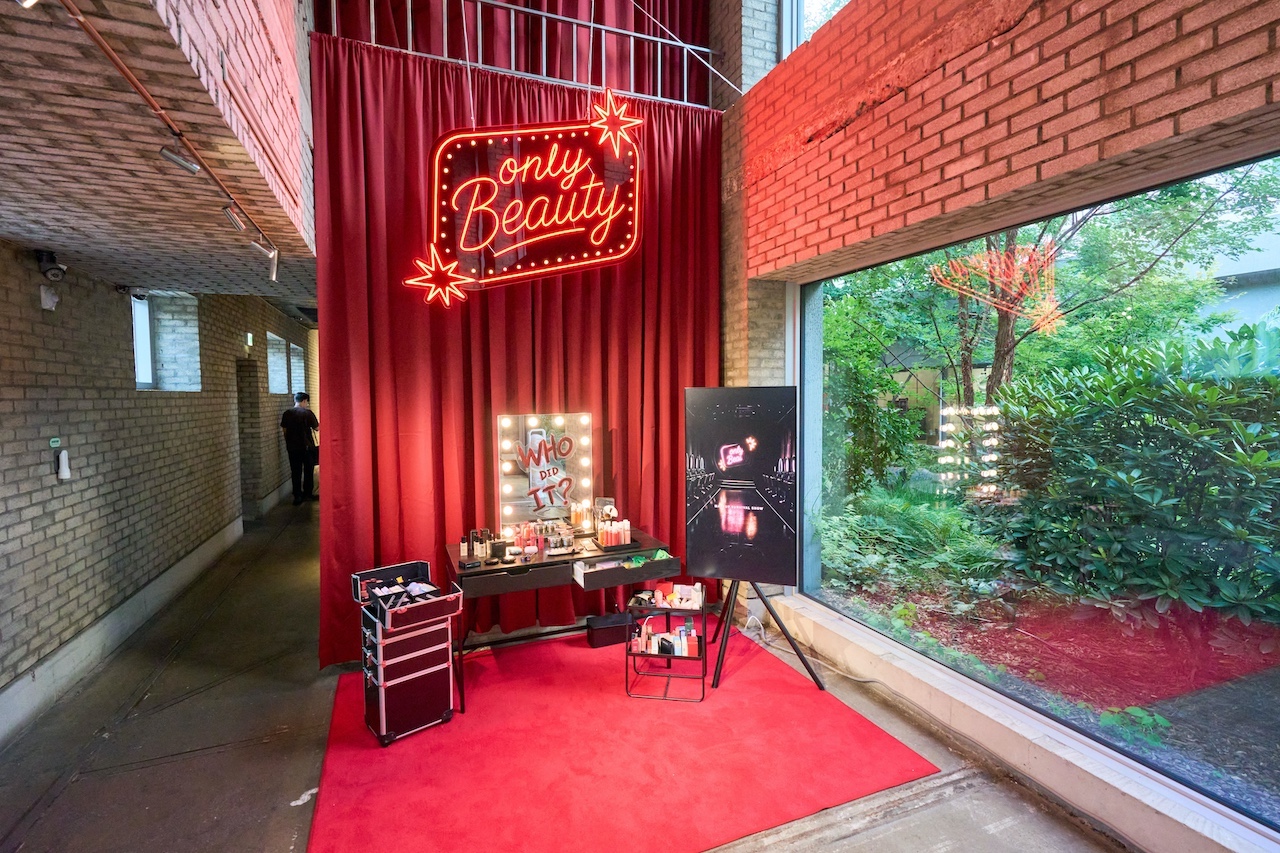
Brands come to Seongsu-dong for its exposed brick, high ceilings, industrial doors and unfinished atmosphere. An ordinary shopping centre cannot reproduce that authenticity.
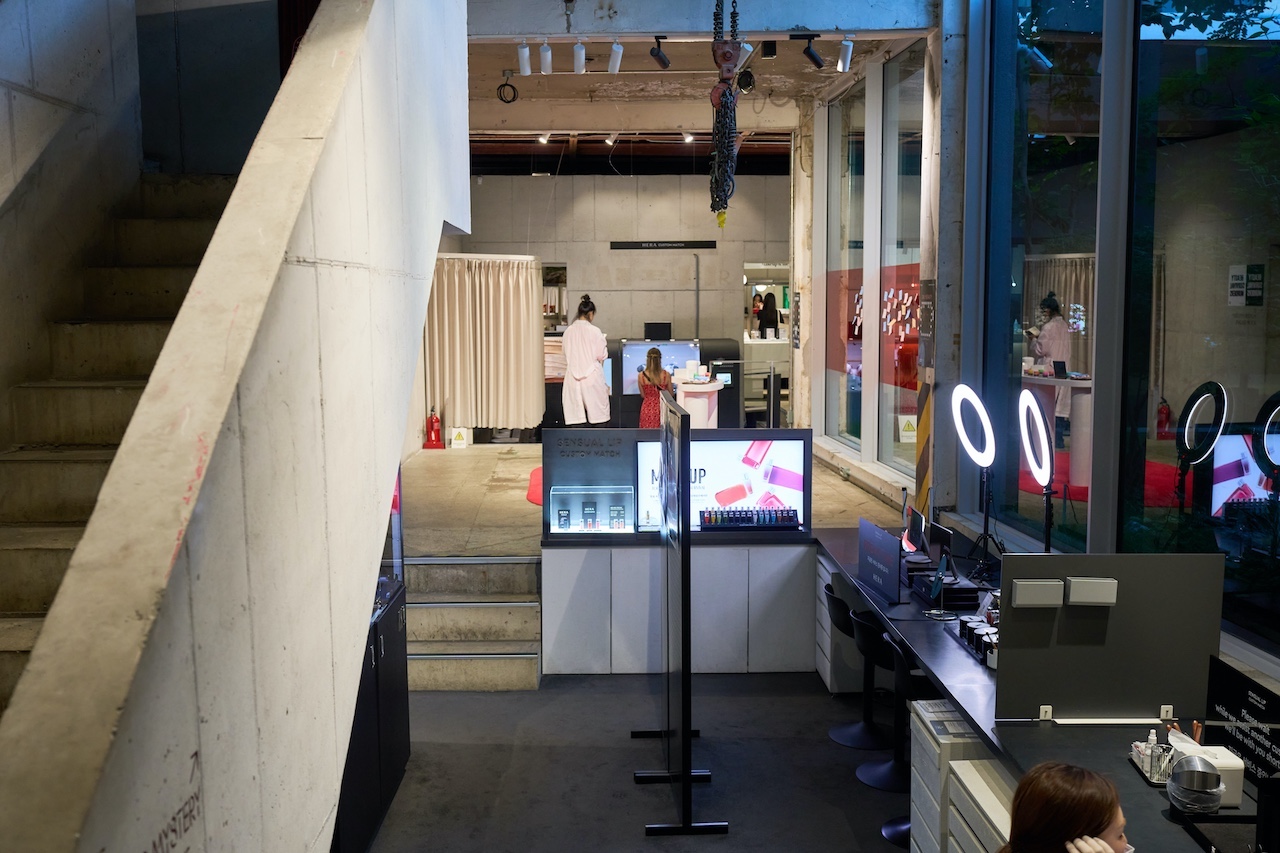
As a story, a former factory can be worth more than the vacant land beneath it.
Why Brands Choose Temporary Stores
Seongsu-dong is often described as Korea’s capital of pop-up stores. A shop or exhibition may operate for several days, attract queues, fill social media feeds and then make way for the next project.
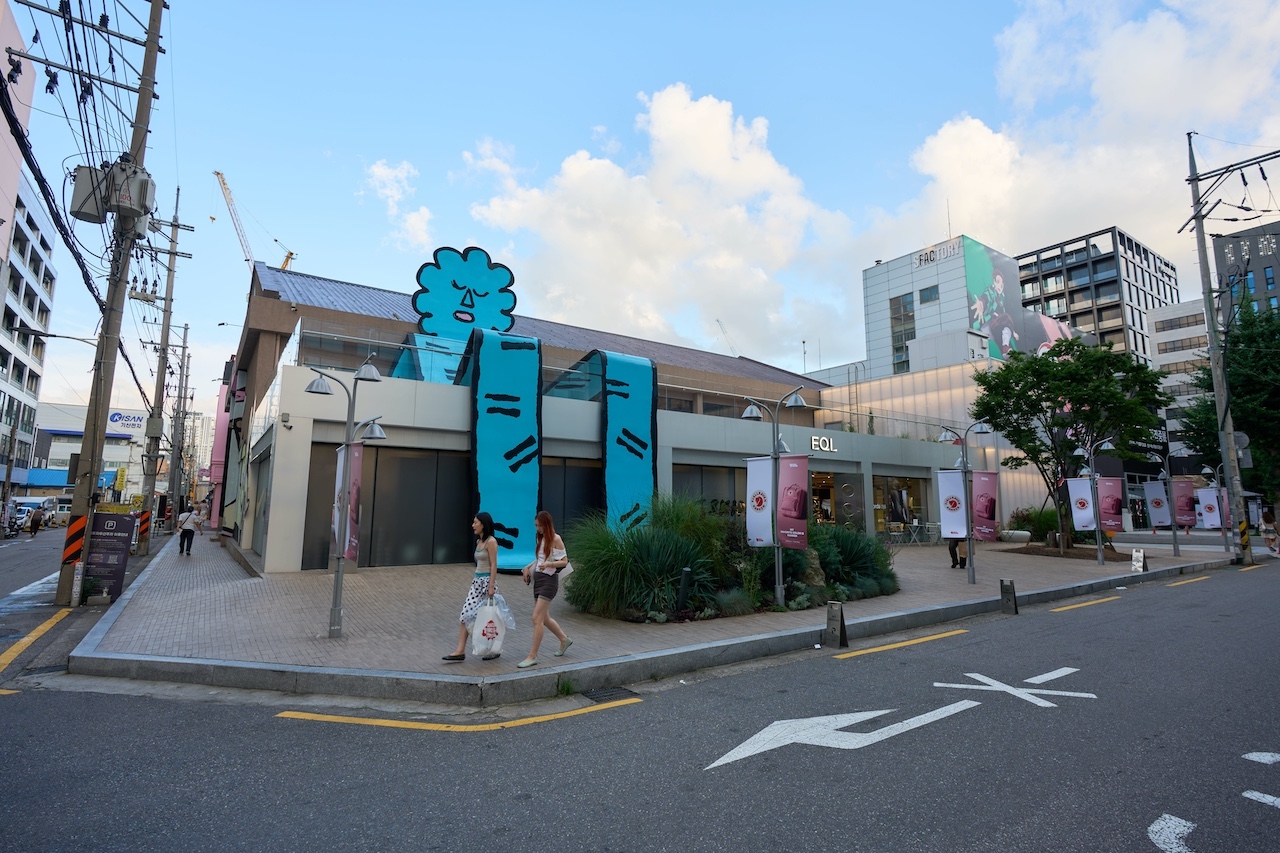
For brands, this provides a rapid test of products and audiences. Property owners can constantly change tenants and the purpose of a space.
For the district, it creates an endless supply of reasons to visit.
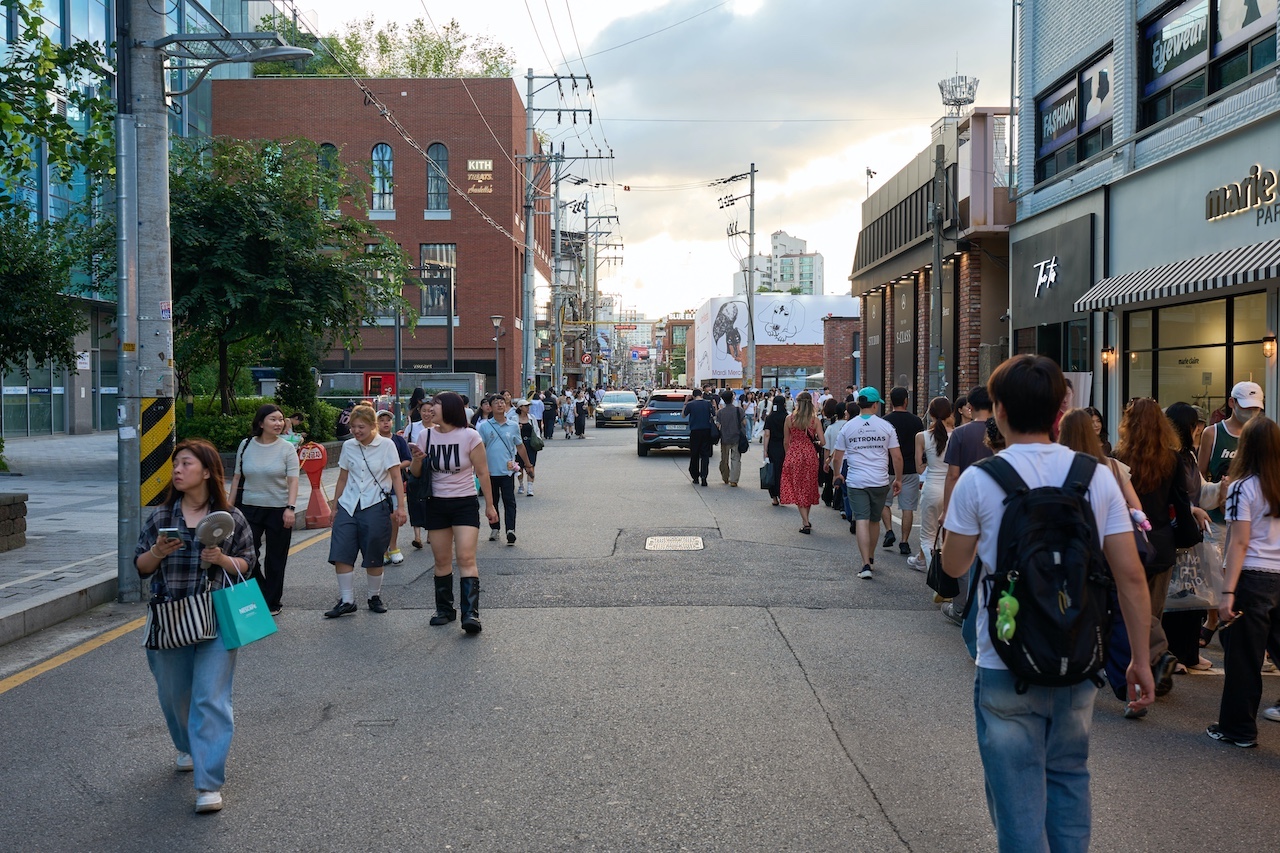
A pop-up sells limited access as much as it sells a product. Visitors understand that the space may disappear within a week.
Scarcity of time becomes a marketing tool.
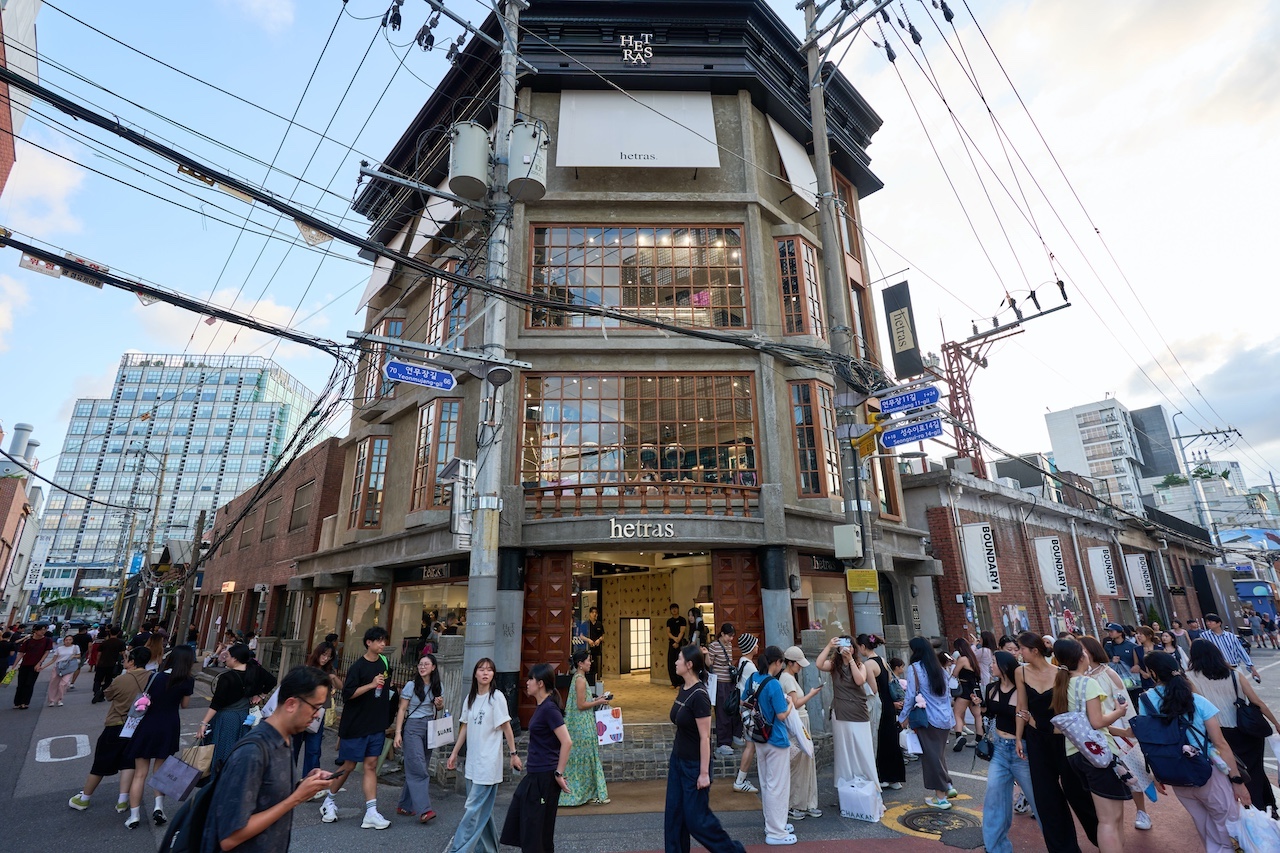
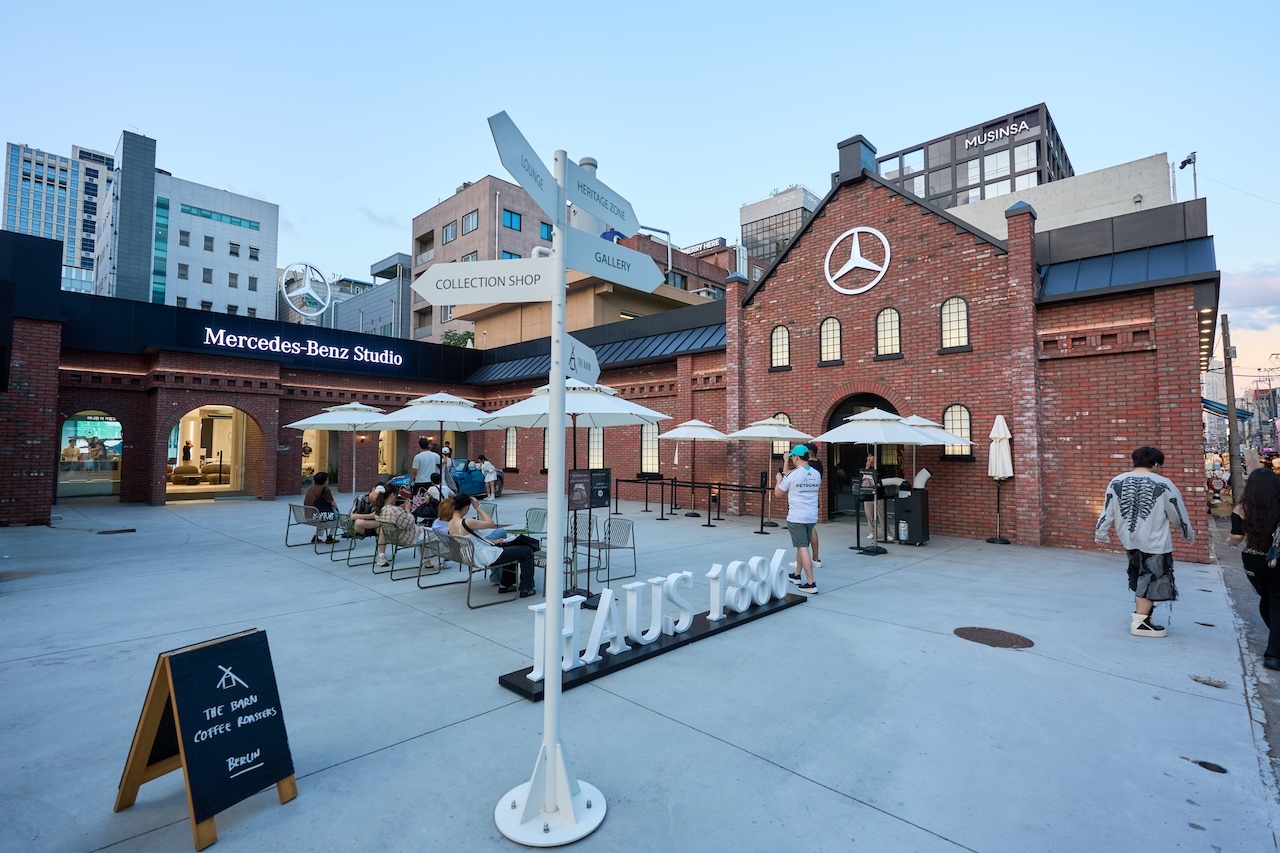
Cosmetics, fashion, technology and automotive companies use Seongsu-dong for temporary campaigns. Showrooms for Korean designers, lifestyle stores and small local brands operate alongside them.
Even the Seoul Metropolitan Government chose the district for a temporary Seoul My Soul merchandise store. Official city materials openly describe Seongsu as a “mecca of pop-up stores.”
The City Reinforced What Was Already Working
Seoul did not simply observe private-sector activity. It gradually incorporated Seongsu-dong into a broader economic strategy.
The former Sampyo concrete factory site is expected to become the Global Future Complex. The project aims to combine technology companies, advertising, media, information industries, cultural venues and public infrastructure.
“The SMG plans to further develop the Seongsu area as a hub to lead the TAMI industry,” the city’s strategy states.
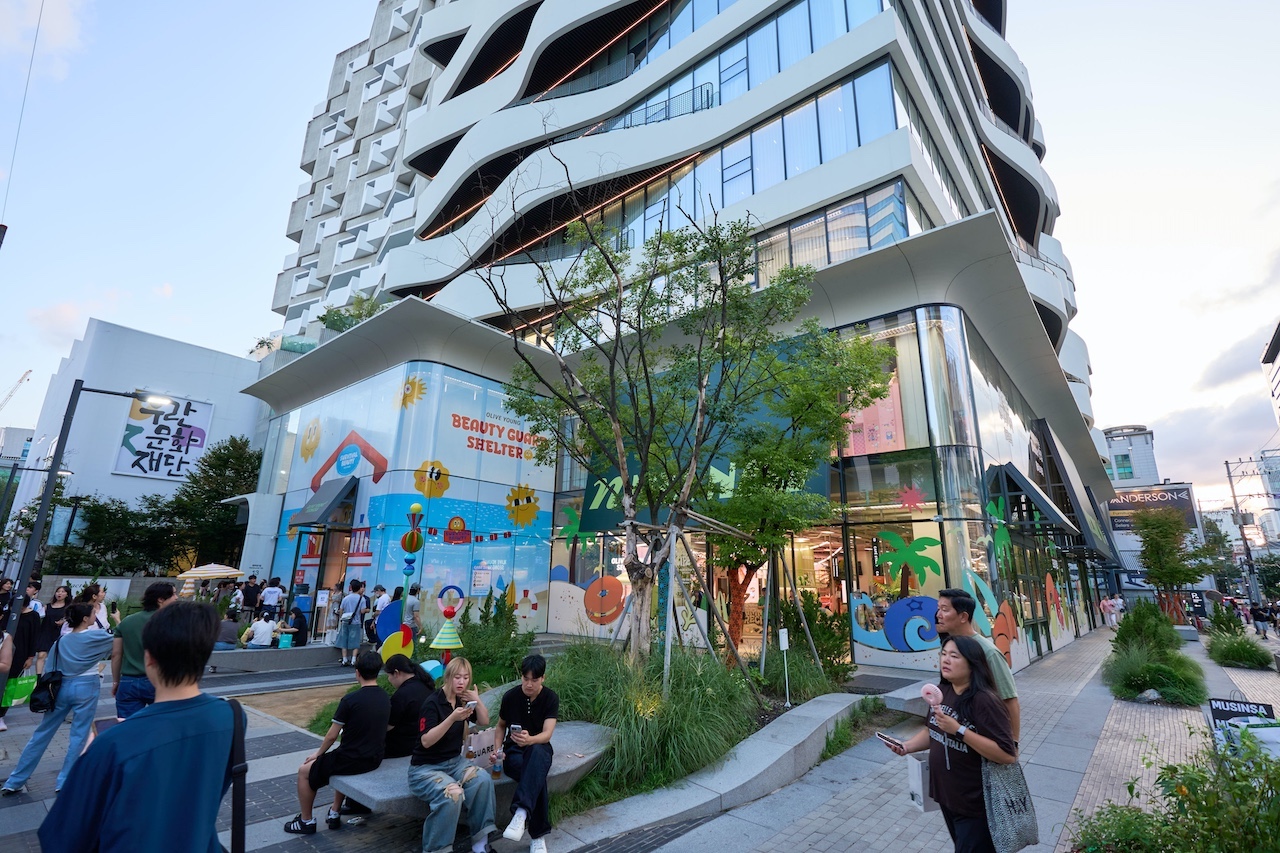
In 2026, the district became part of the Seoul International Garden Show. A ten-kilometre route stretched from Seoul Forest through Seongsu-dong to Konkuk University Station.
The city created 167 gardens covering 90,000 square metres. Some installations appeared directly in Seongsu’s streets and alleys, connecting the industrial environment with public space and K-culture brands.
Seoul is not building a separate amusement park.
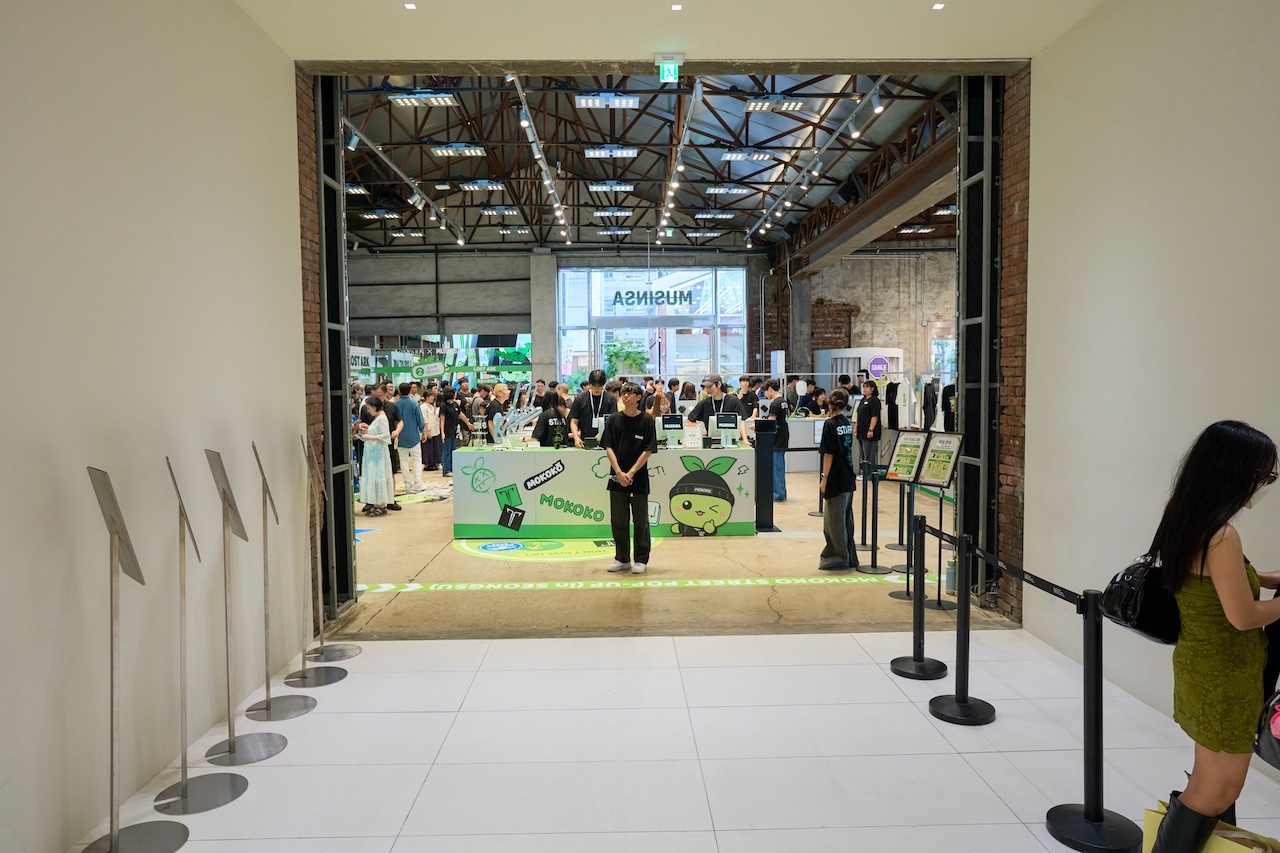
It is turning an active district into a place where manufacturing, tourism, commerce, culture and the urban environment reinforce one another.
Success Came with a Price
As Seongsu-dong became more popular, property values and rents rose. Some of the craftspeople, artists and small businesses that made the district attractive could no longer afford to remain.
This is the classic trap of gentrification.
As early as 2015, Seoul included Seongsu-dong among the areas requiring measures to protect local businesses. The city proposed agreements between landlords, tenants and the authorities, alongside long-term leasing programs.
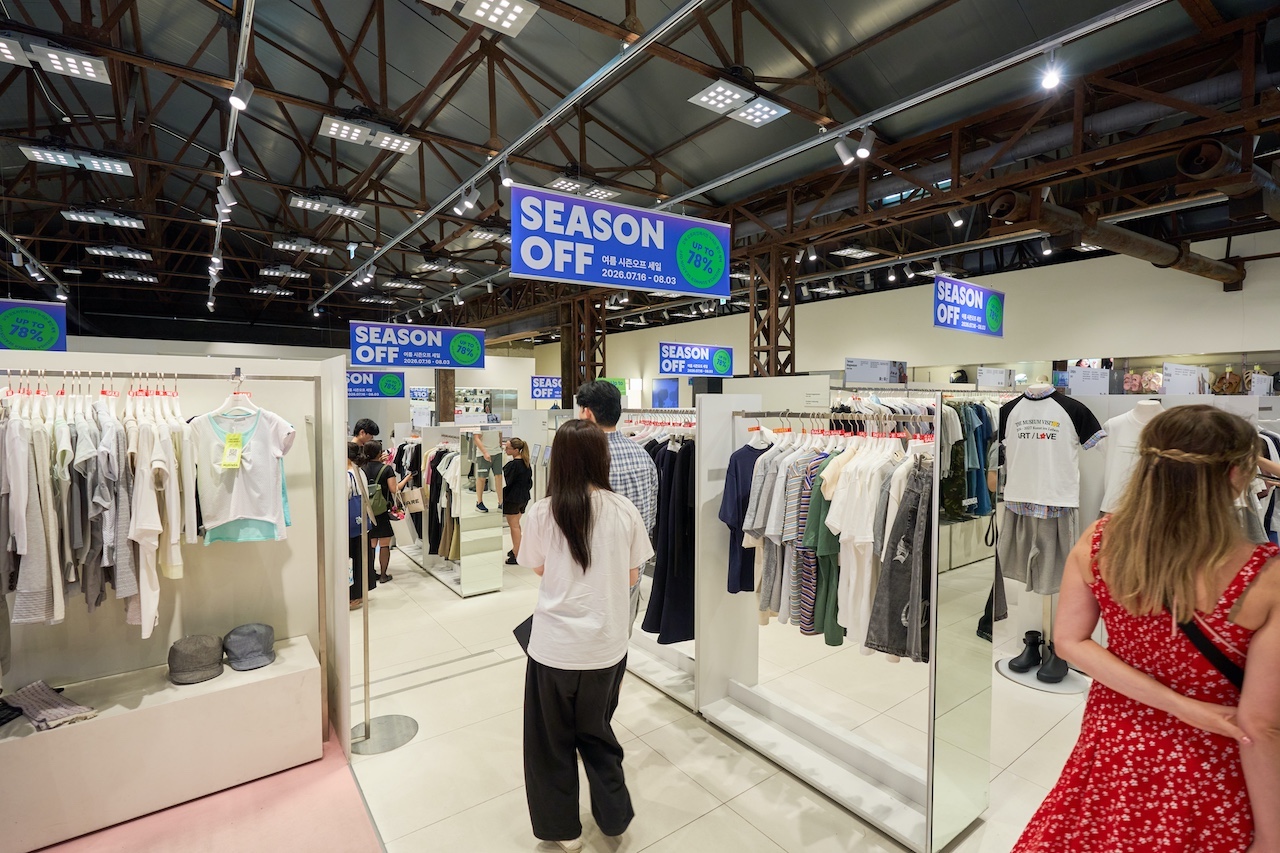
The municipality gained the option to purchase or rent key properties and offer them to small businesses and artists at reduced rates. Owners of ageing buildings could receive renovation support in return for a commitment not to raise rents for a specified period.
The city also introduced legal and tax assistance for commercial tenants.
These policies did not stop prices from rising altogether. They did show that the authorities understood the central risk: if workshops and small businesses leave Seongsu, the district loses the authenticity that attracted major brands.
An industrial neighbourhood cannot retain its identity after everyone who produces something there has been displaced.
One City, Three Heritage Economies
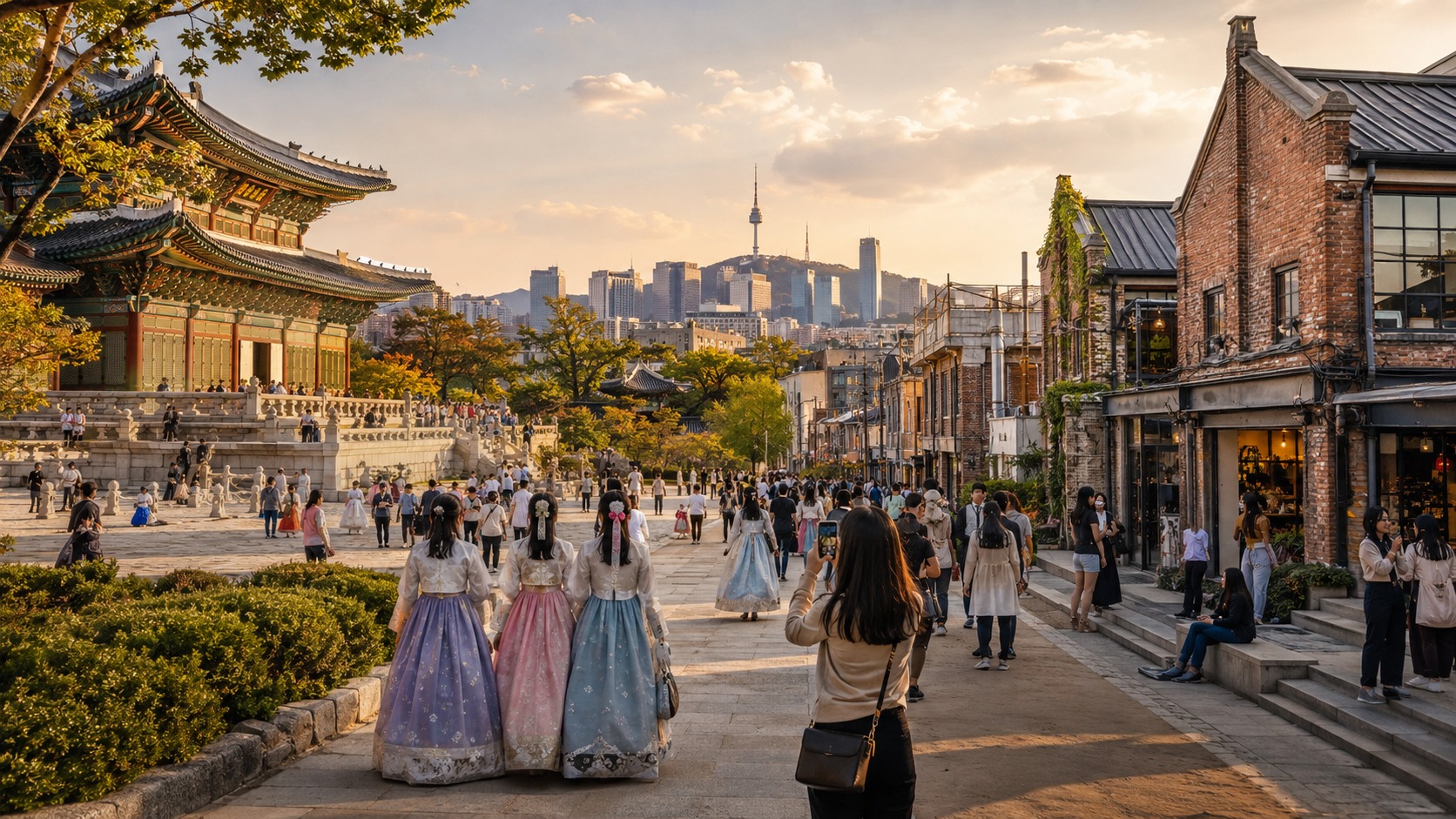
Changdeokgung, hanbok and Seongsu-dong operate under different rules.
The palace requires strict conservation. Traditional clothing creates an experience market, while the industrial district allows functions to change constantly.
Their underlying logic is the same.
Seoul does not treat heritage as a static collection of properties. It turns heritage into infrastructure around which services, routes, visual content and new businesses emerge.
Changdeokgung gives the country authenticity. Hanbok allows visitors to make the cultural experience their own, while Seongsu-dong shows how an old building can generate income without being demolished.
Together, they create an urban brand that cannot be copied by a shopping centre or advertising slogan.
What Kazakhstan Can Learn
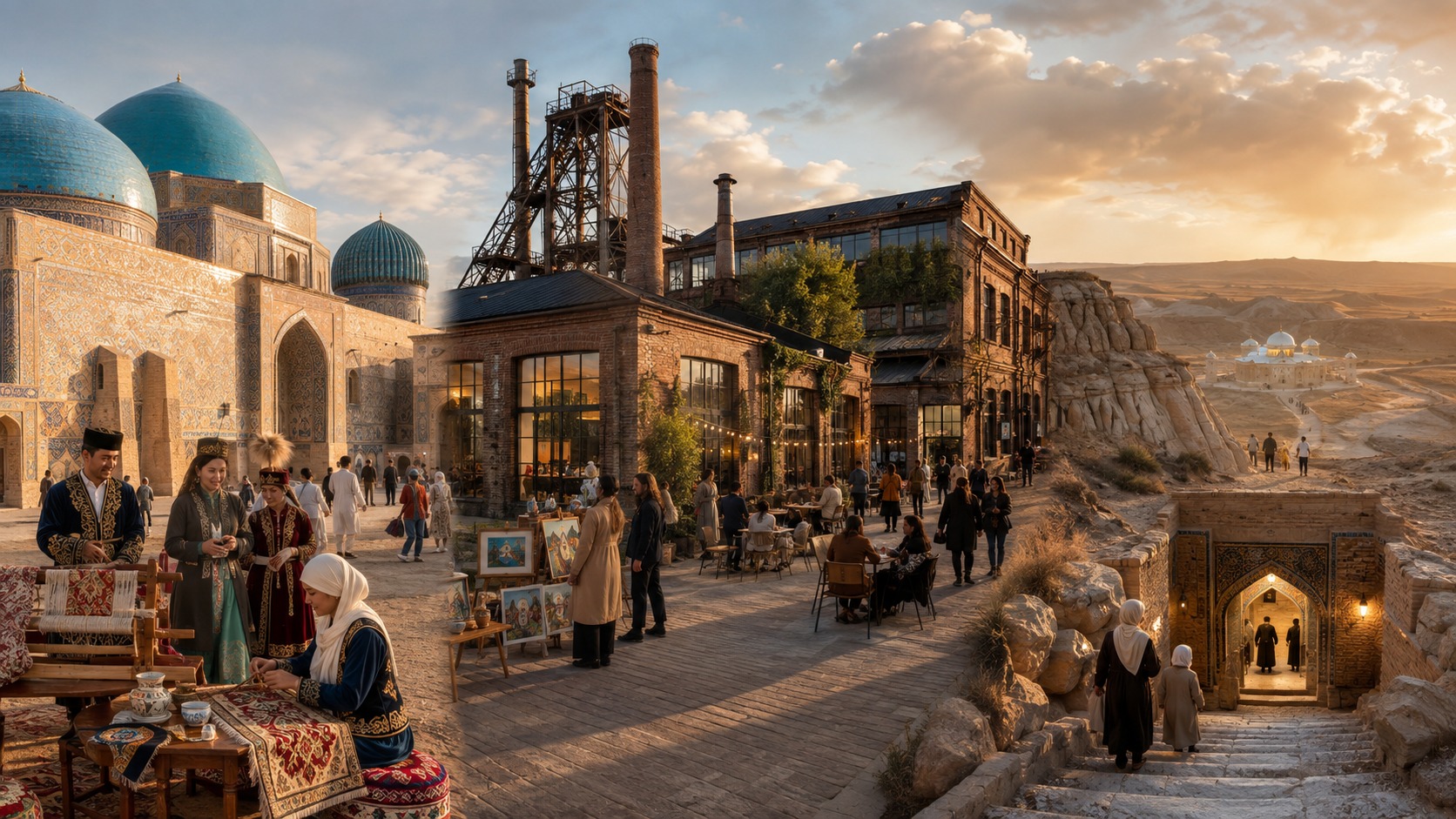
Turkistan already attracts visitors through its architecture, religious significance and history. The next step is to develop a market for high-quality traditional clothing, crafts, photography routes and cultural programs around its heritage sites.
This does not mean mass-producing cheap costumes. Visitors should understand how a saukele differs from a borik and how the traditional clothing of one region differs from that of another.
Such a product would create demand for designers, tailors, jewellers, photographers and guides.
Almaty, Karaganda and Semey could apply another part of Seoul’s model. Old factories, depots, workshops and warehouses can become cultural and entrepreneurial spaces without erasing their industrial character.
The process should not begin with an expensive renovation.
The first task is to find a viable use: workshops, exhibitions, local brands, pop-up stores, music, education or food. Architecture should support life rather than replace it.
Seongsu-dong also offers a warning. Without protection for tenants and craftspeople, a successful creative district can quickly become ordinary high-priced real estate.
Mangystau requires a third model.
An entertainment economy cannot be built around underground mosques and sacred sites. Tourism services, retail, rentals and food outlets should be located near visitor centres and transport hubs, preserving silence around the sanctuaries themselves.
Korea shows that heritage does not generate income when a monument becomes surrounded by commercial stalls. Value appears when the state builds a carefully designed ecosystem around it.
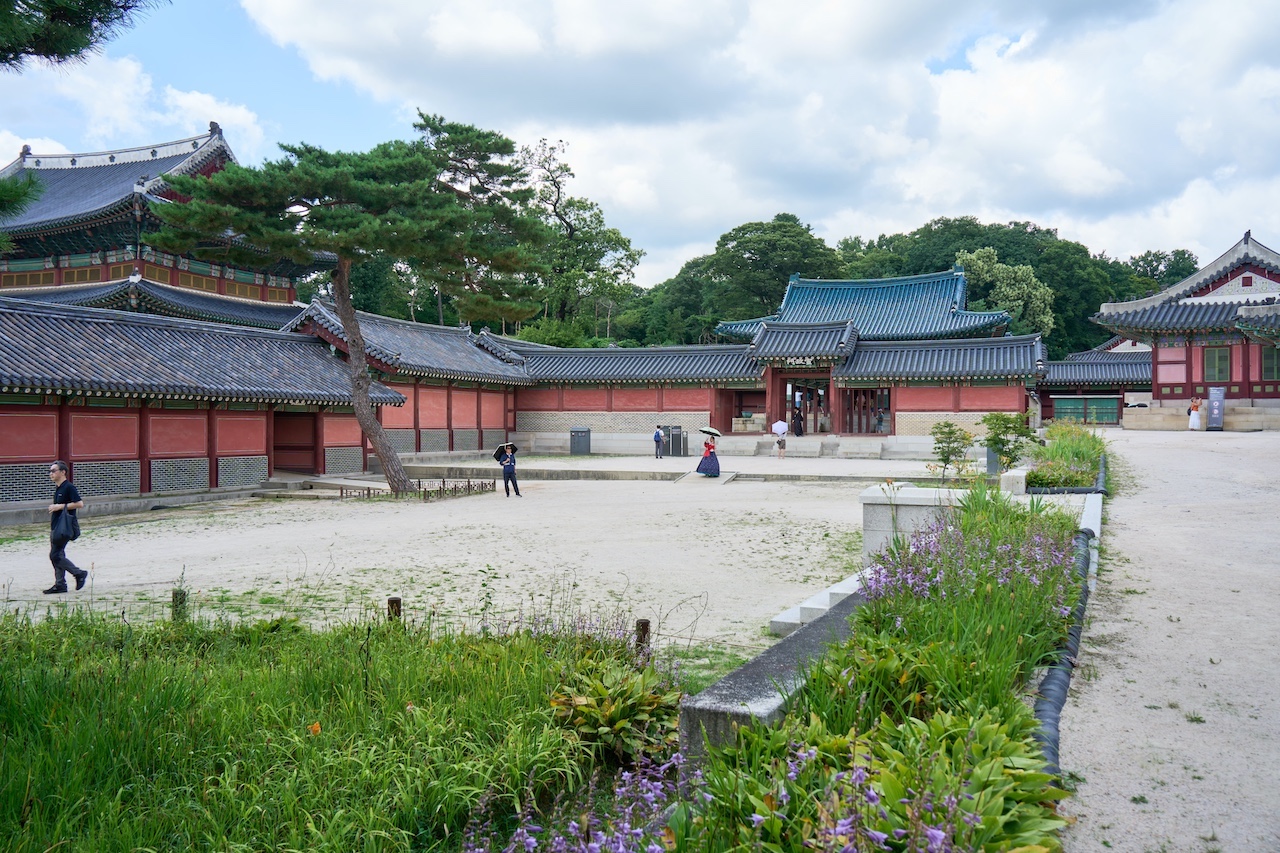
Changdeokgung remains a palace. Hanbok remains a cultural tradition, while the factories of Seongsu-dong preserve evidence of labour.
That is why all three continue to produce new value.