
Kazakhstan and Germany have assembled a $54 billion investment pipeline. The portfolio includes 40 initiatives, 21 of which have already been implemented, as the two countries seek to move from individual projects towards a broader industrial partnership, DKNews.kz reports.
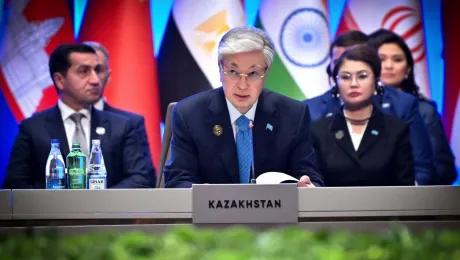
President Kassym-Jomart Tokayev presented the figures at the Kazakhstan-Germany Business Forum in Berlin on September 29, attended by German Federal President Frank-Walter Steinmeier and representatives of the two countries’ business communities.
Forty projects put $54 billion on the table
Tokayev identified industrial cooperation as one of the central pillars of the economic relationship.
The current joint portfolio comprises 40 investment initiatives worth more than $54 billion. Twenty-one projects have already been implemented.
The President said Kazakhstan now wants to turn individual investment successes into a more systematic model of industrial cooperation.
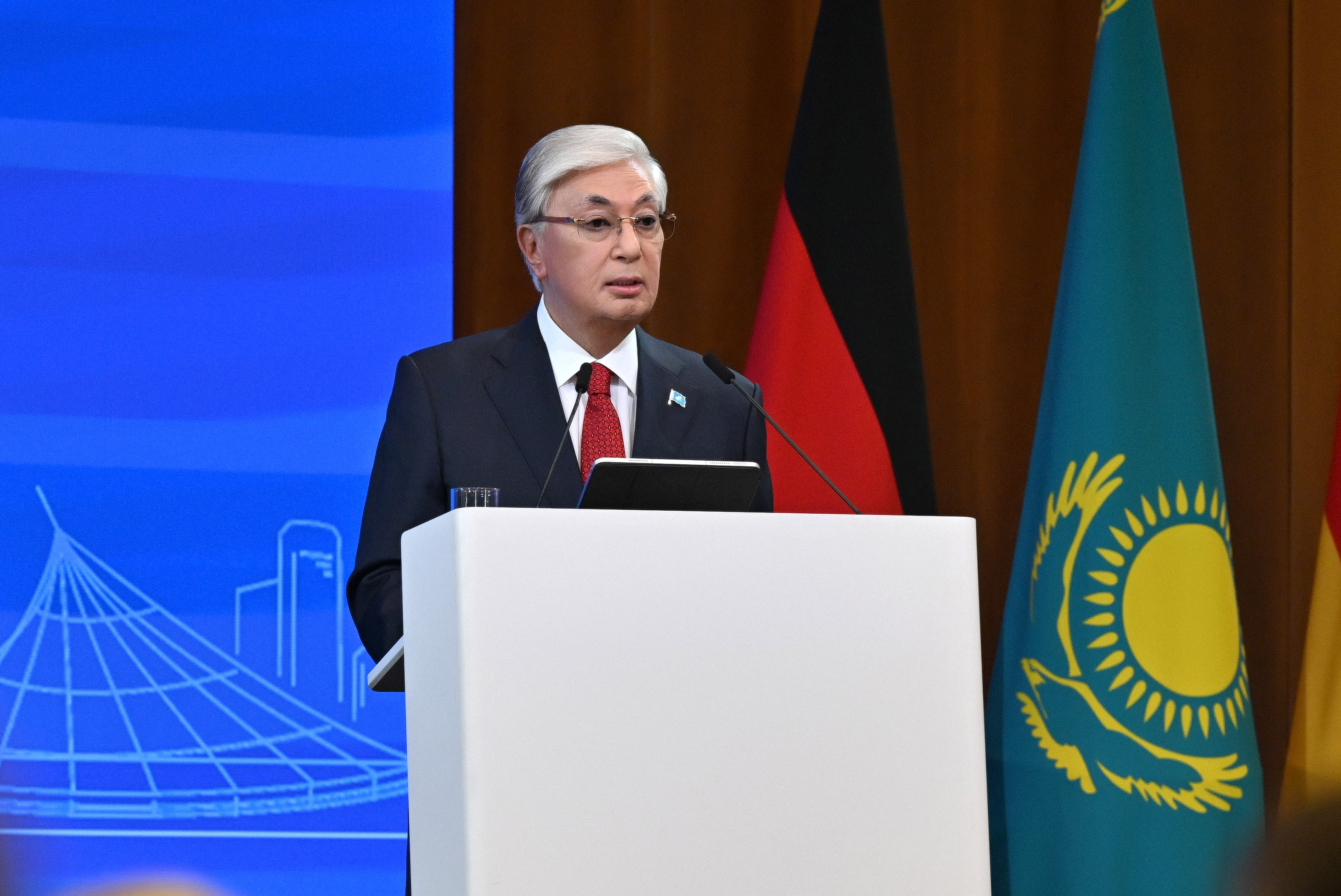
«We should move from individual success stories towards a systemic industrial partnership. For this purpose, Kazakhstan is ready to launch a Kazakhstan-Germany Investment and Industrial Initiative, centered on a single portfolio of flagship projects. The aim is practical – to select commercially viable projects with the potential to create new industries in Kazakhstan, bring advanced German know-how and produce competitive goods for regional and global markets. Germany’s Mittelstand can play a particularly important role in this endeavor», — Tokayev said.
The proposed initiative would therefore focus not simply on attracting capital, but on selecting projects capable of establishing new production capacity inside Kazakhstan.
Kazakhstan-made railway wheels head to Germany
Tokayev pointed to CLAAS, Horsch, Amazonen-Werke and Knauf as examples of existing industrial cooperation.
Over the past five years, CLAAS has produced more than 2,100 units of agricultural machinery in Kazakhstan.
But the President also highlighted a shift in the opposite direction: Kazakhstan is beginning to supply more industrial products to Germany.
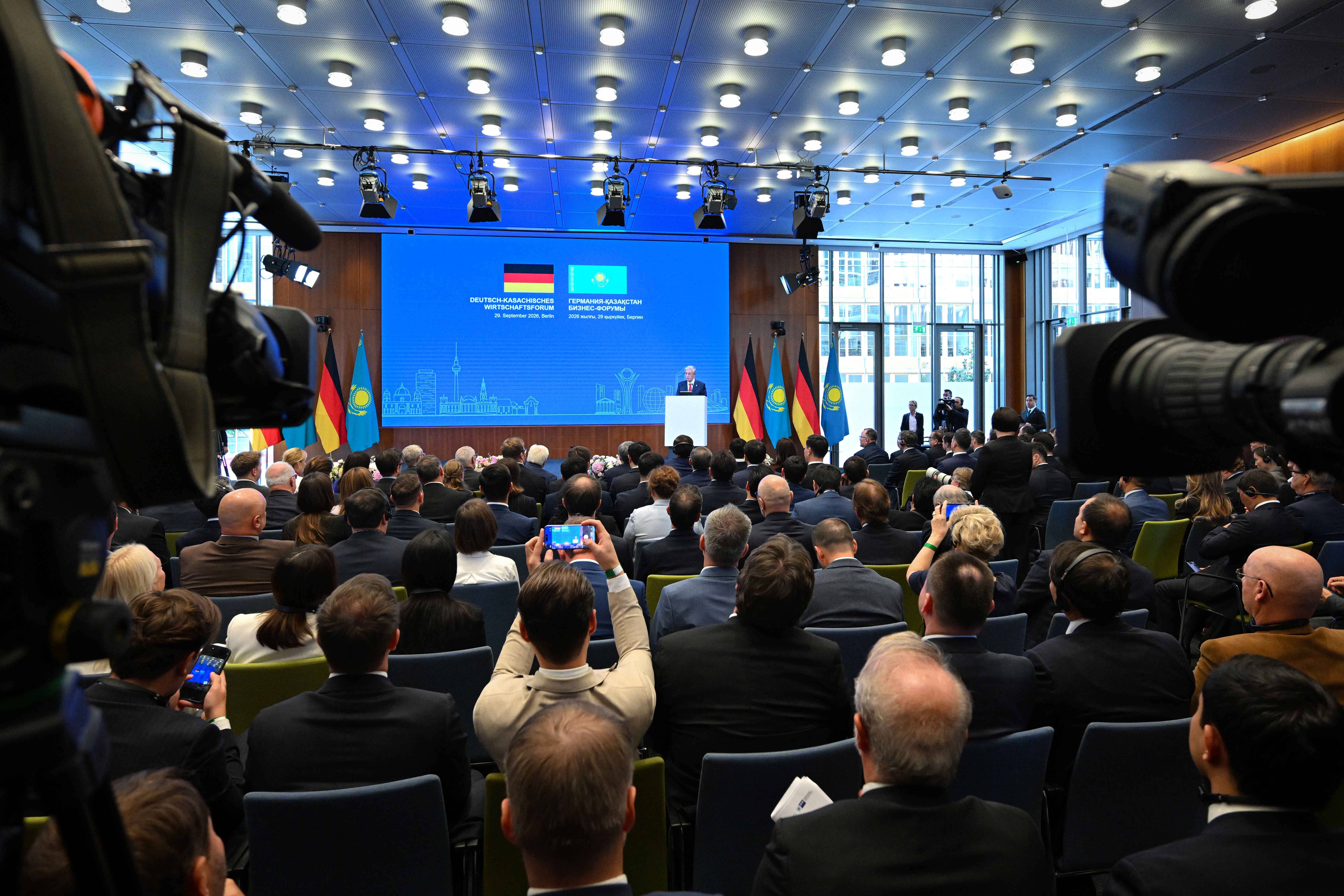
«Taking this opportunity, I am pleased to note that our industrial partnership is becoming a two-way process, as reflected in the growth of several categories of Kazakhstan’s industrial exports to Germany. For instance, during my visit, agreements were reached on the supply of domestically manufactured engineering products to the German market, including railway wheels produced using German equipment», — Tokayev said.
This is an important change in the structure of cooperation. Kazakhstan is seeking not only German machinery and investment but also access to the German market for products manufactured domestically.
The next areas proposed for cooperation include automation, machine-tool manufacturing, industrial robotics, precision engineering, advanced manufacturing and the digitalisation of production.
Kazakhstan holds 21 of 34 strategic raw materials
Critical raw materials could become another major pillar of the partnership.
According to Tokayev, Kazakhstan possesses 21 of the 34 raw materials classified by the European Union as strategic.
The President argued that the interests of the two economies are complementary: Germany needs diversified and reliable supplies, while Kazakhstan wants investment and technology that will allow it to process more raw materials domestically.
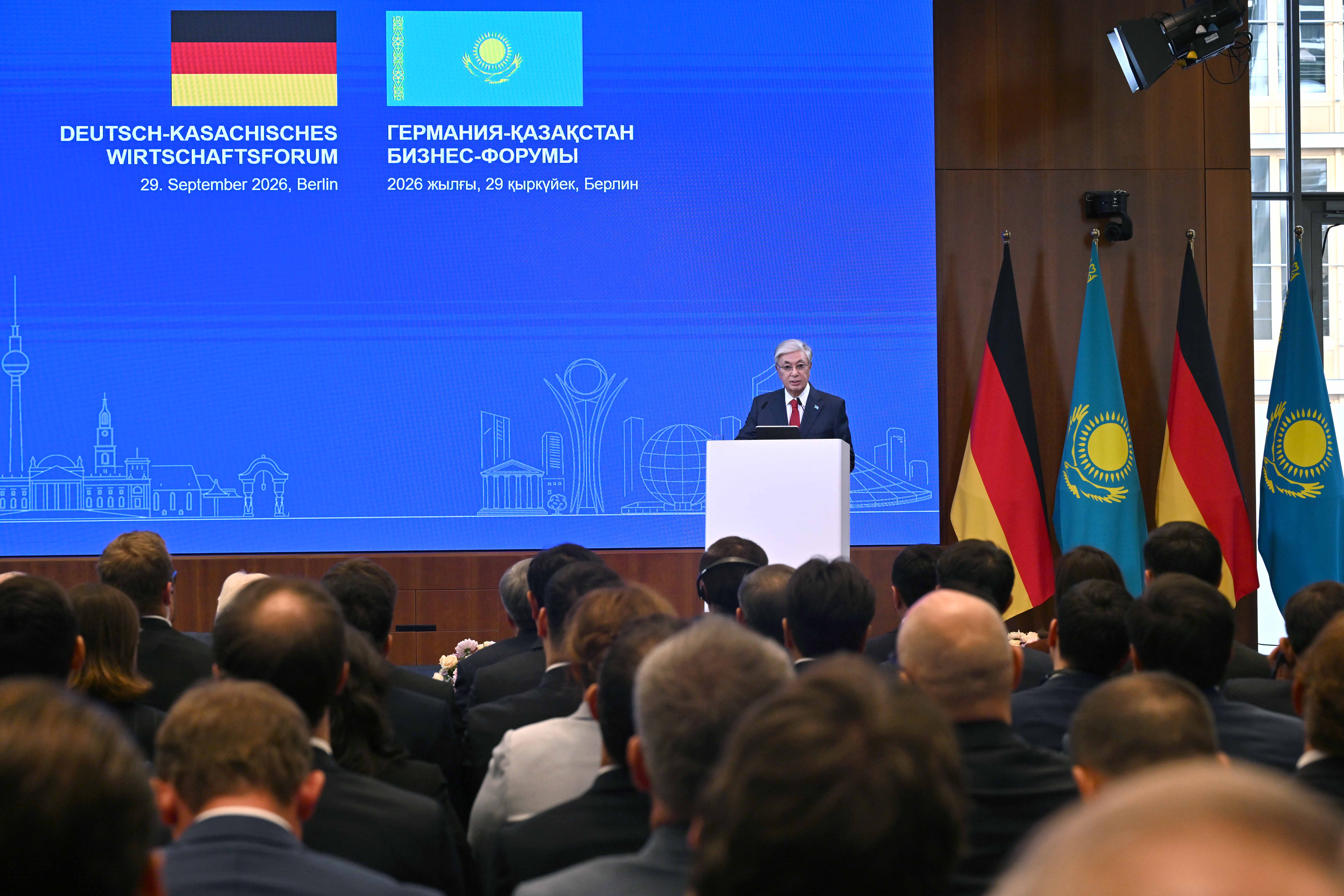
«Germany needs reliable and diversified supplies. Kazakhstan seeks investment and advanced technologies to move further up the value chain. This creates a strong strategic synergy. The next stage is to identify major full-cycle projects – from exploration and extraction to processing and the production of advanced materials in Kazakhstan», — Tokayev said.
The proposed model would keep more stages of the value chain in Kazakhstan rather than limiting cooperation to extraction and raw-material exports.
Agricultural exports to Germany rise 38%
Agriculture is also showing faster growth.
Tokayev said bilateral agricultural trade increased by 23% in 2025, while Kazakhstan’s agricultural exports to Germany rose by 38%.
The next step, he said, should be joint projects covering the entire value chain.
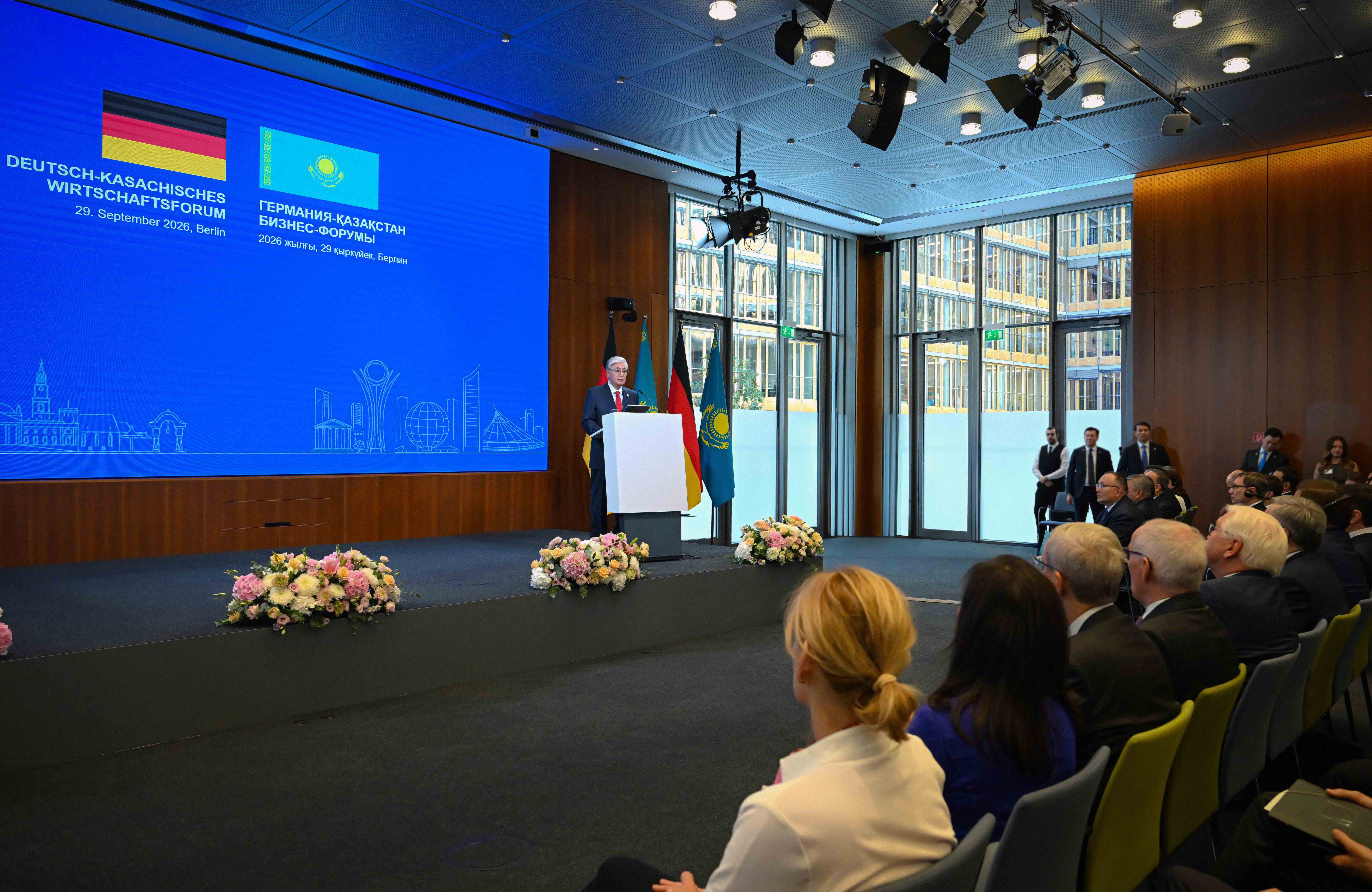
«In 2025, bilateral trade in agricultural products increased by 23 percent and Kazakhstan’s agricultural exports to Germany grew by 38 percent. The next step should be to develop joint projects across the entire value chain – from precision farming and water-efficient production to food processing, storage, and exports», — the President said.
This would extend cooperation from agricultural machinery and primary production into processing, storage and export infrastructure.
Kazakhstan wants German energy equipment produced locally
Energy provides another opportunity for industrial localisation.
Tokayev pointed to cooperation with Siemens Energy, including its work with Kazakhstan’s national grid operator KEGOC, as an example of existing potential.
But he proposed going further than equipment supplies.
«Our cooperation with Siemens Energy, including its work with Kazakhstan’s national grid operator Kegoc, shows big potential in this area. We are keen to expand our cooperation in the energy sector and propose developing a portfolio of joint projects on modernizing energy infrastructure. Should they be economically viable, we need to move beyond supplying equipment in order to produce in Kazakhstan, creating a base for supplying other Central Asian markets through the implementation of concrete investment projects», — Tokayev said.
The proposed model is similar to Kazakhstan’s wider approach to German industry: local production first, followed by potential exports to neighbouring Central Asian markets.
German companies invited into Kazakhstan’s Data Center Valley
Artificial intelligence and digital infrastructure form another part of the proposed partnership.
Tokayev said Kazakhstan is developing a Data Center Valley intended to become a major computing hub.
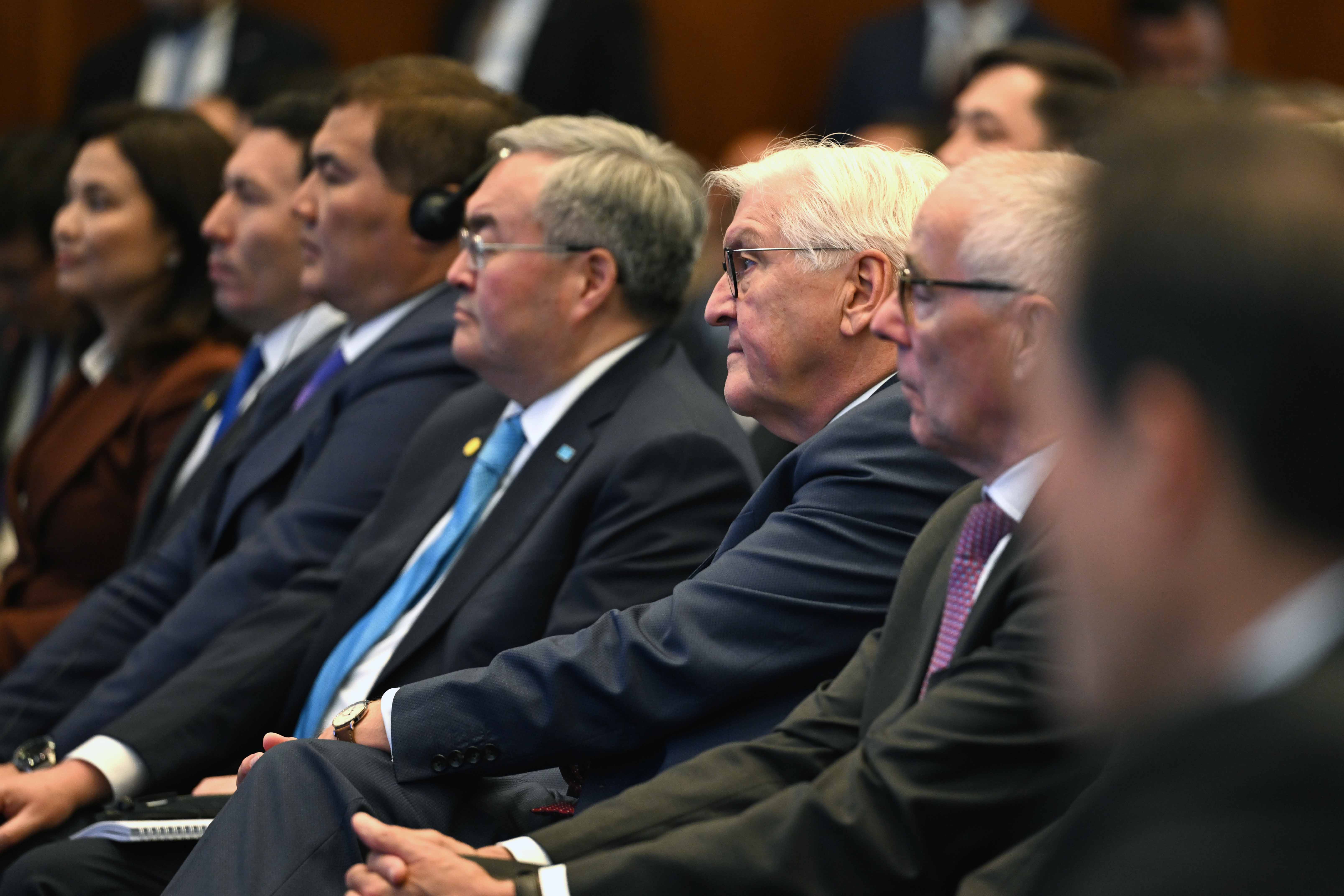
German companies were invited to participate in data-centre infrastructure and develop AI applications with Kazakh partners for mining, manufacturing, energy and logistics.
«Germany’s strengths in industrial software, automation, cybersecurity, engineering and applied research are highly complementary to this ambition. German companies could participate in data-center infrastructure and work with Kazakh partners on AI solutions for mining, manufacturing, energy and logistics», — Tokayev said.
The proposal connects Kazakhstan’s AI ambitions with sectors where German industrial technology already has a strong international presence.
Every major investment project could become a training platform
Tokayev also proposed creating a network of Kazakh-German Centers of Industrial Competence.
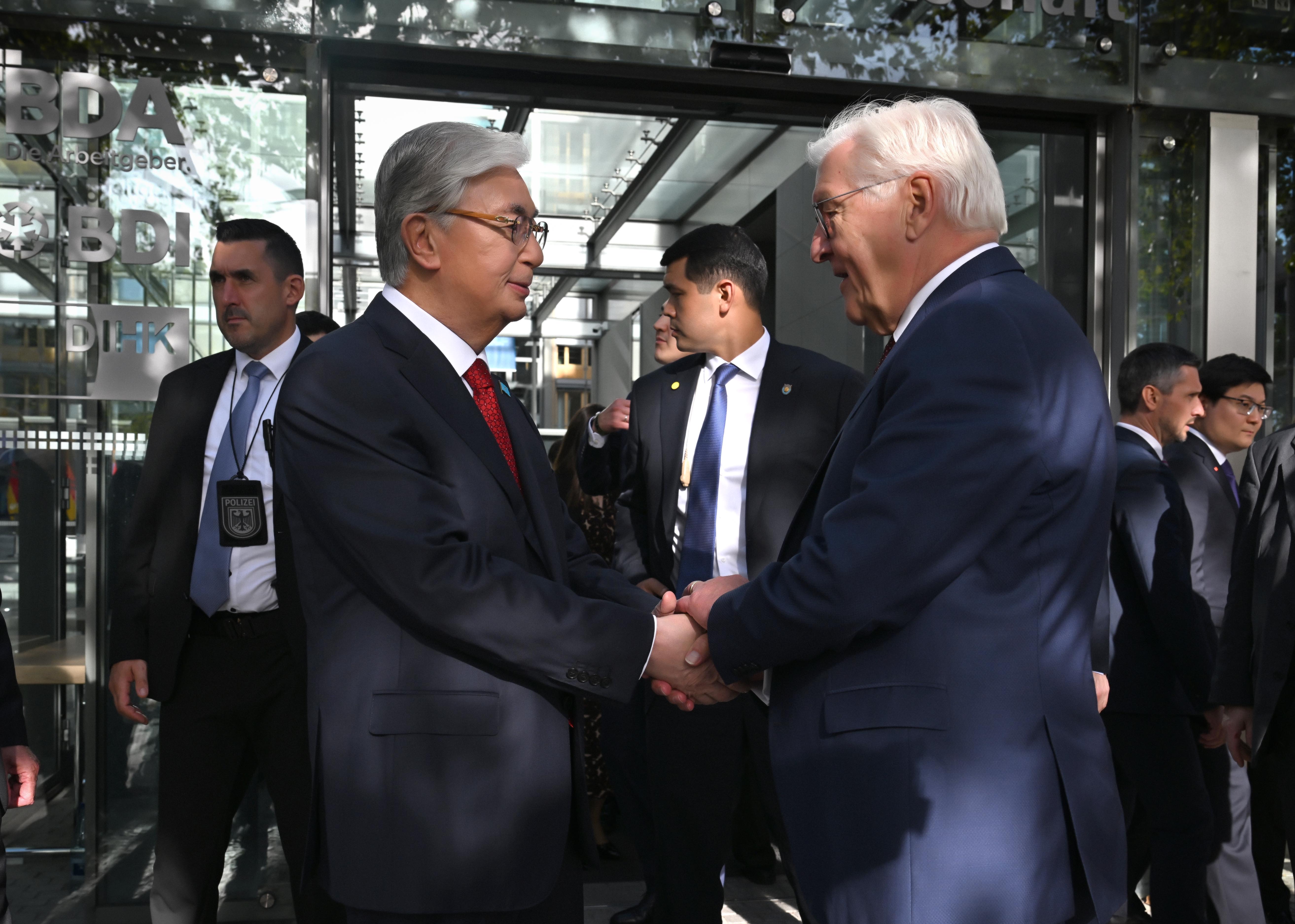
The centres would be directly linked to major joint investment projects and used to train specialists.
«We suggest to establish a network of Kazakh-German Centers of Industrial Competence that could be linked directly to joint flagship projects. The principle here should be simple – every major investment project should also become a training platform. This is how capital becomes knowledge, and knowledge becomes sustainable growth», — Tokayev said.
The proposal draws on Germany’s dual vocational education model and would tie workforce training directly to new factories and industrial projects.
Steinmeier calls Kazakhstan Germany’s top Central Asian trade partner
Steinmeier highlighted the complementary strengths of the two economies and described Kazakhstan as Germany’s most important trading partner in Central Asia.
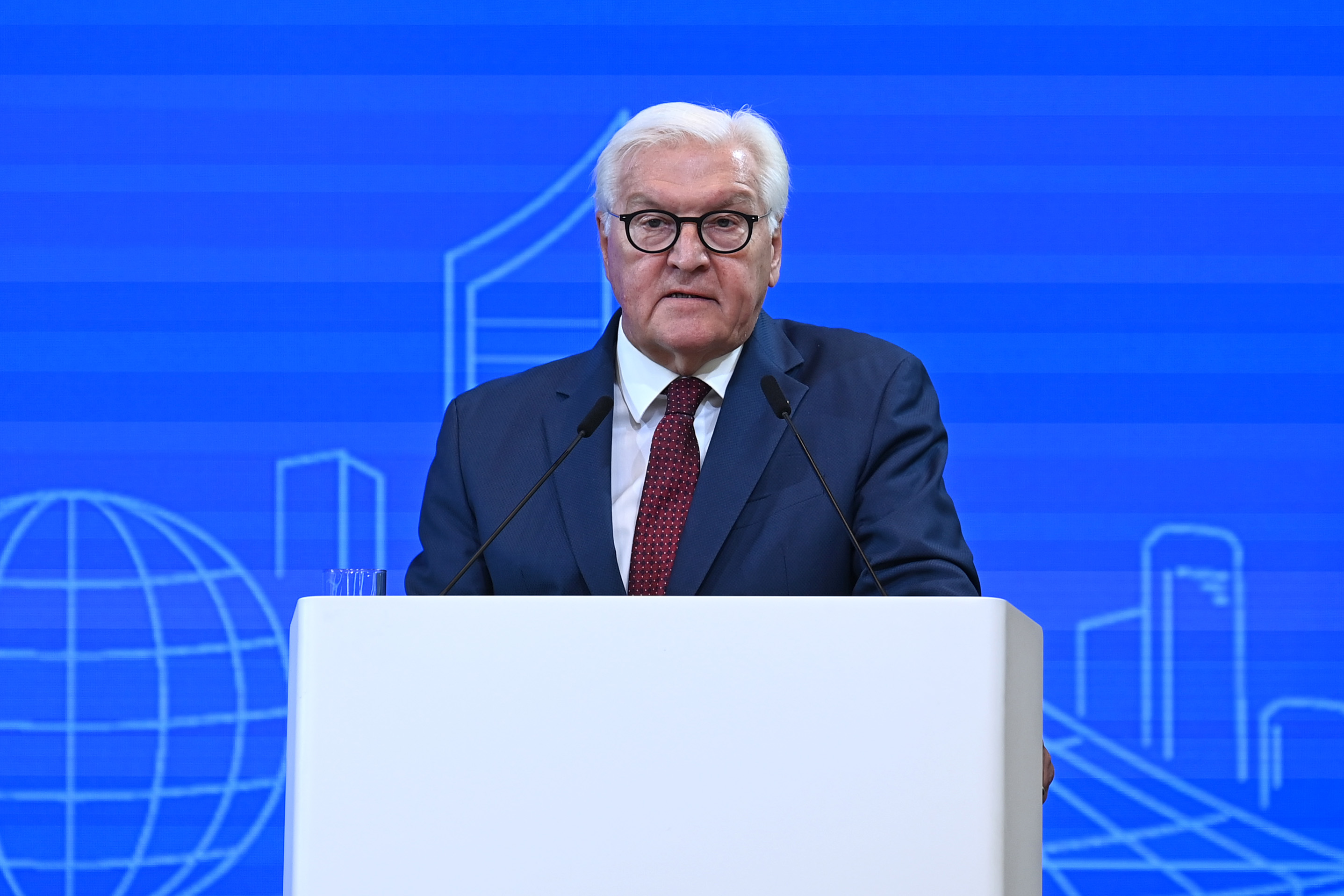
«Kazakhstan is our most important trading partner in Central Asia, and we continue to develop our cooperation. This is also evidenced by the bilateral agreements that will be signed following this meeting. As Federal President, I am committed to developing ties with emerging regional powers, including Kazakhstan. Germany brings capital, technology, and industrial expertise. Kazakhstan possesses vast reserves of natural resources, enormous growth potential, and, of course, a strategic location between Europe and Asia», — Steinmeier said.
The $54 billion portfolio now provides a numerical benchmark for that ambition. The more important measure will be how many of the remaining initiatives move into implementation — and whether new projects bring production, processing, technology and specialist training into Kazakhstan rather than remaining primarily import-based.
Earlier, we reported on Tokayev’s official visit to Germany and the investment and technology agenda behind the meetings in Berlin and Munich. The $54 billion project portfolio presented at the business forum shows the scale of the economic agenda now being discussed by Astana and Berlin.