
In an exclusive article for DKNews.kz, Lyu Yi, Acting Consul General of the People’s Republic of China in Almaty, sets out China’s position on the Taiwan question, explains where the “red line” lies, and highlights why upholding the one-China principle is crucial for regional security and stability.
Recently, the United States approved the largest arms delivery plan in history for China’s Taiwan region - a move that seriously violates the one-China principle and the three China–U.S. joint communiqués, while undermining the sovereignty, security, and territorial integrity of the People’s Republic of China.
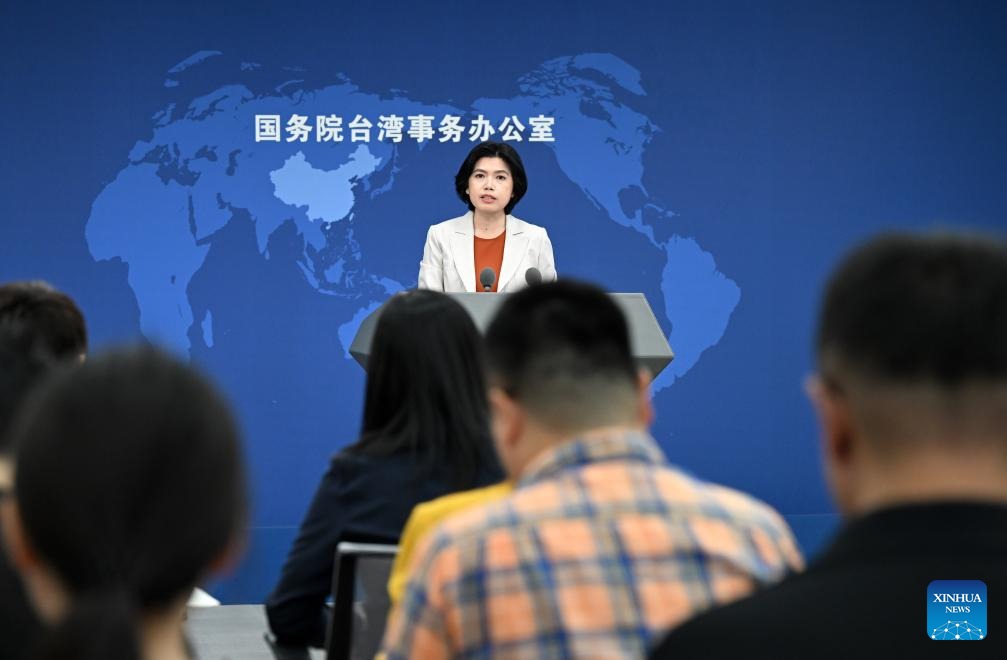
On December 26, China’s Ministry of Foreign Affairs announced countermeasures against U.S. military-industrial enterprises and their senior executives. These measures are lawful, justified, and necessary. The nature of the Taiwan question has long been clearly defined - and three key points deserve renewed emphasis.
 © AFP
© AFP
What is China’s fundamental position? The Taiwan question lies at the very core of China’s vital interests and represents the first “red line” that must never be crossed. There is only one China in the world, Taiwan is an inalienable part of Chinese territory, and the government of the People’s Republic of China is the sole legitimate government representing all of China.
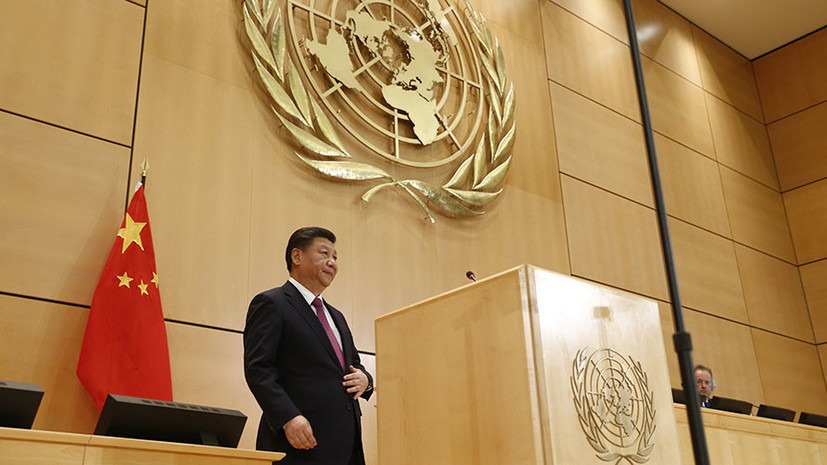
In 1971, the 26th Session of the UN General Assembly adopted Resolution 2758 by an overwhelming majority, restoring all the rights of the People’s Republic of China and recognizing its government representatives as the only legitimate representatives of China at the United Nations.
Today, 183 countries - including the Republic of Kazakhstan - have established diplomatic relations with China and support the Chinese government’s principled position on Taiwan. More and more countries consistently adhere to the one-China principle, recognize Taiwan as part of China, clearly oppose any form of “Taiwan independence,” and firmly support China’s efforts toward national reunification.
Who is the main disruptor of peace and stability in the Taiwan Strait? The United States continues to deviate from its official commitments, moving away from the provisions of the 1978 Joint Communiqué on the Establishment of Diplomatic Relations between China and the United States - where Washington recognized China’s position that there is only one China and that Taiwan is part of China, and acknowledged the PRC government as the sole legitimate government of China.
 © EPA-EFE/RITCHIE B. TONGO
It has also drifted away from the commitments made in the August 17, 1982 communiqué, which stated that the U.S. “does not seek to infringe on China’s sovereignty and territorial integrity, interfere in China’s internal affairs, or pursue a long-term policy of selling arms to Taiwan.”
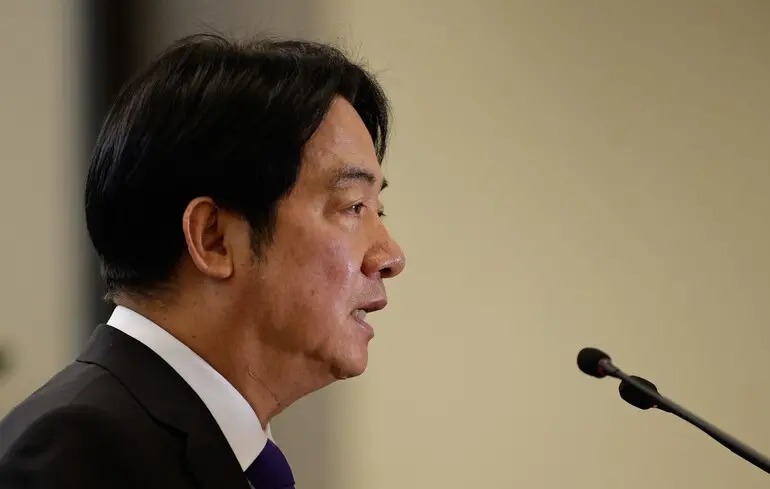
By colluding with “Taiwan independence” forces, the United States is provoking tensions and heightening the risk of confrontation. Since taking office, Lai Ching-te has intensified strategies relying on external forces to pursue independence and seeking independence through the use of force - actions that will inevitably lead to self-destructive consequences.
Recently, Taiwan’s legislature voted to initiate impeachment proceedings against Lai, while an online campaign calling for his impeachment has gathered more than eight million signatures - clearly reflecting public sentiment.
 Xinhua
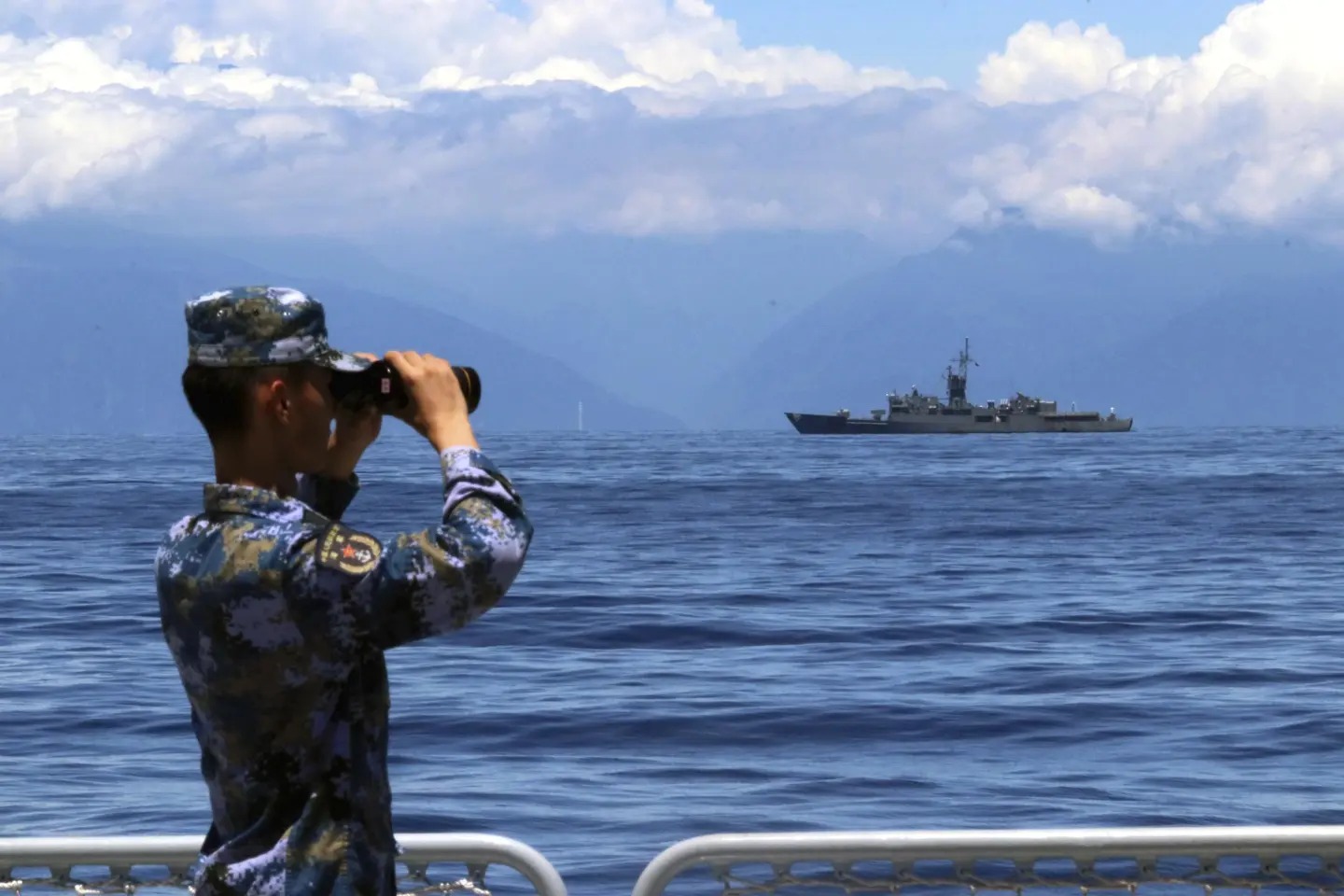
Who should ultimately resolve the Taiwan question? More than 70 years ago, the United States sent warships into the Taiwan Strait, intervened by force, and obstructed China’s reunification - the very reason the Taiwan question remains unresolved today. For decades, the Communist Party of China, the Chinese government, and the Chinese people have been making persistent efforts to resolve it.
This year marks the 80th anniversary of Taiwan’s return to China. The National People’s Congress has designated October 25 as the Day of Taiwan’s Liberation - sending a clear message to the world: how to resolve the Taiwan question is purely an internal matter of the Chinese people, and it brooks no foreign interference.
Compatriots on both sides of the Taiwan Strait belong to one Chinese nation. As long as the one-China principle and the “1992 Consensus” are upheld, outside interference is firmly resisted, and separatist moves toward “Taiwan independence” are opposed, a broad consensus can be built in support of peaceful development of cross-Strait relations. No country and no force should underestimate the firm resolve, steadfast will, and strong capabilities of the Chinese government and people in safeguarding national sovereignty and territorial integrity.
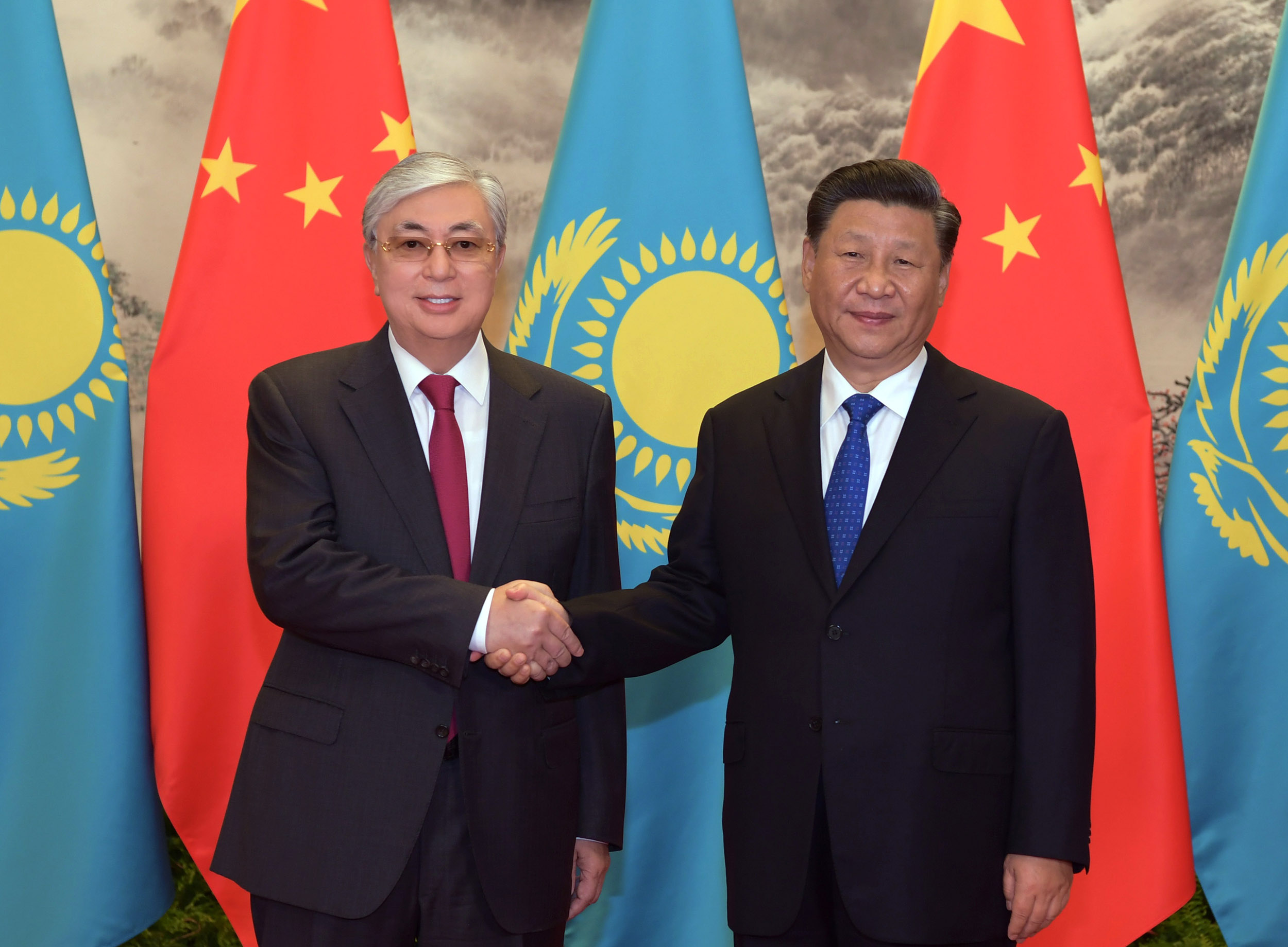
The one-China principle is both the common consensus of the international community and the political foundation of relations between China and Kazakhstan. As permanent, comprehensive strategic partners, China and Kazakhstan have always firmly supported each other on issues involving their core interests. On the eve of the 34th anniversary of diplomatic relations, China stands ready to work with Kazakhstan to uphold international fairness and justice, resolutely counter forces that undermine regional peace and stability, and make new, greater contributions to building a community of shared future between China and Kazakhstan.