


Ramadan in Dubai is a special time when the city slows its pace without ever closing its doors. In 2026, the holy month is expected to run from February 19 to March 19. For travelers, this period is one of the most comfortable and atmospheric times to visit: Dubai remains fully open, while daily life gradually shifts into the evening and night, DKNews.kz reports.
Winter sunshine and a mild climate make Ramadan particularly appealing. Average daytime temperatures range between 20 and 25 °C, creating ideal conditions for sightseeing, walks and outdoor activities. During the day, Dubai feels quieter and more relaxed, but after sunset the city transforms - lights come on, the air fills with the aroma of spices, and evenings take on a distinctly festive yet unhurried mood.
When food becomes culture
During Ramadan, Dubai reveals itself through gastronomy. Iftar, the evening meal after sunset, and suhoor, the late-night or pre-dawn meal, have long become part of the city’s cultural life, not just religious tradition.
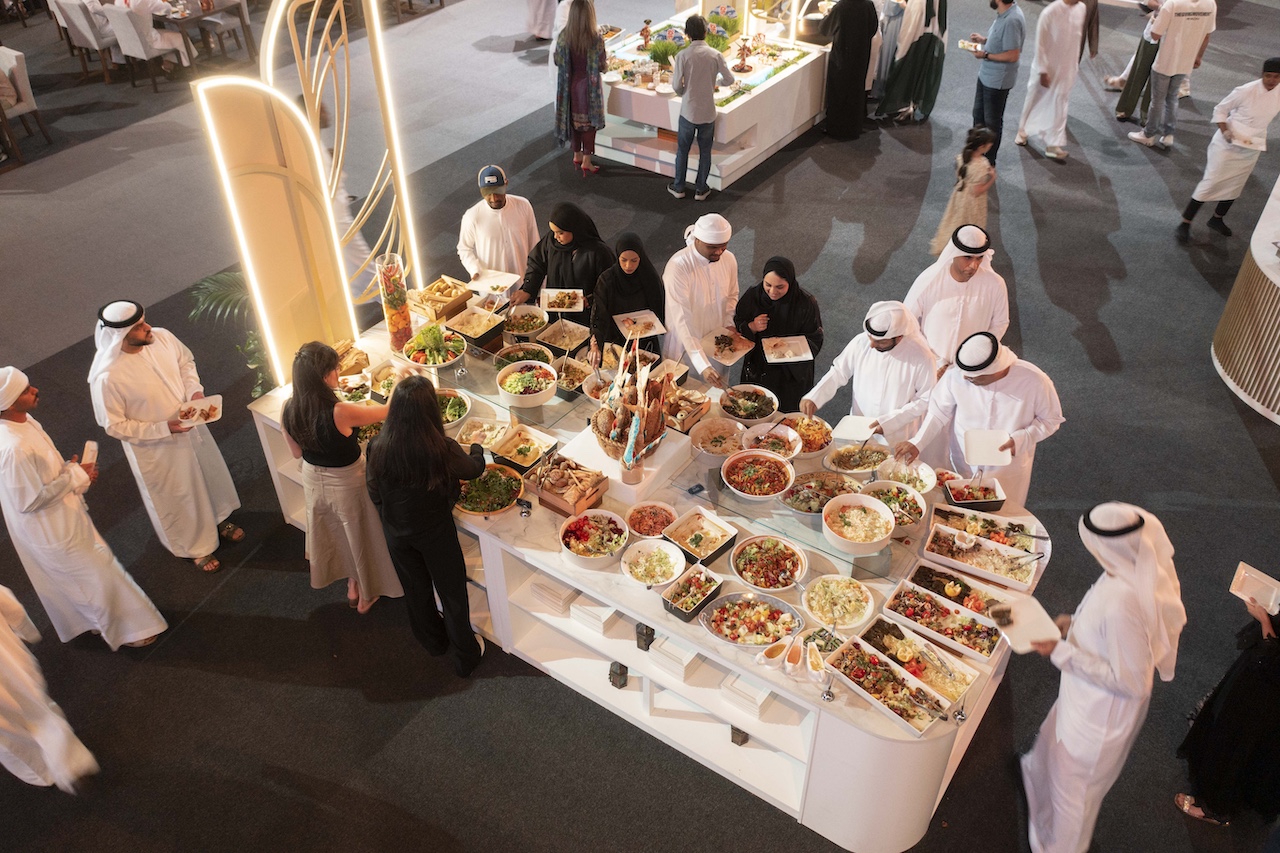
Restaurants across the city introduce special menus and formats, turning dinner into a ritual. Iftars are often served in tents, courtyards and on open terraces, ranging from grand dinners with international cuisine to more intimate settings focused on regional flavors. Some venues even serve breakfast dishes in the evening, adding large shared desserts, dates and traditional drinks as a compliment, and finishing the meal with classic Middle Eastern sweets and aromatic coffee.
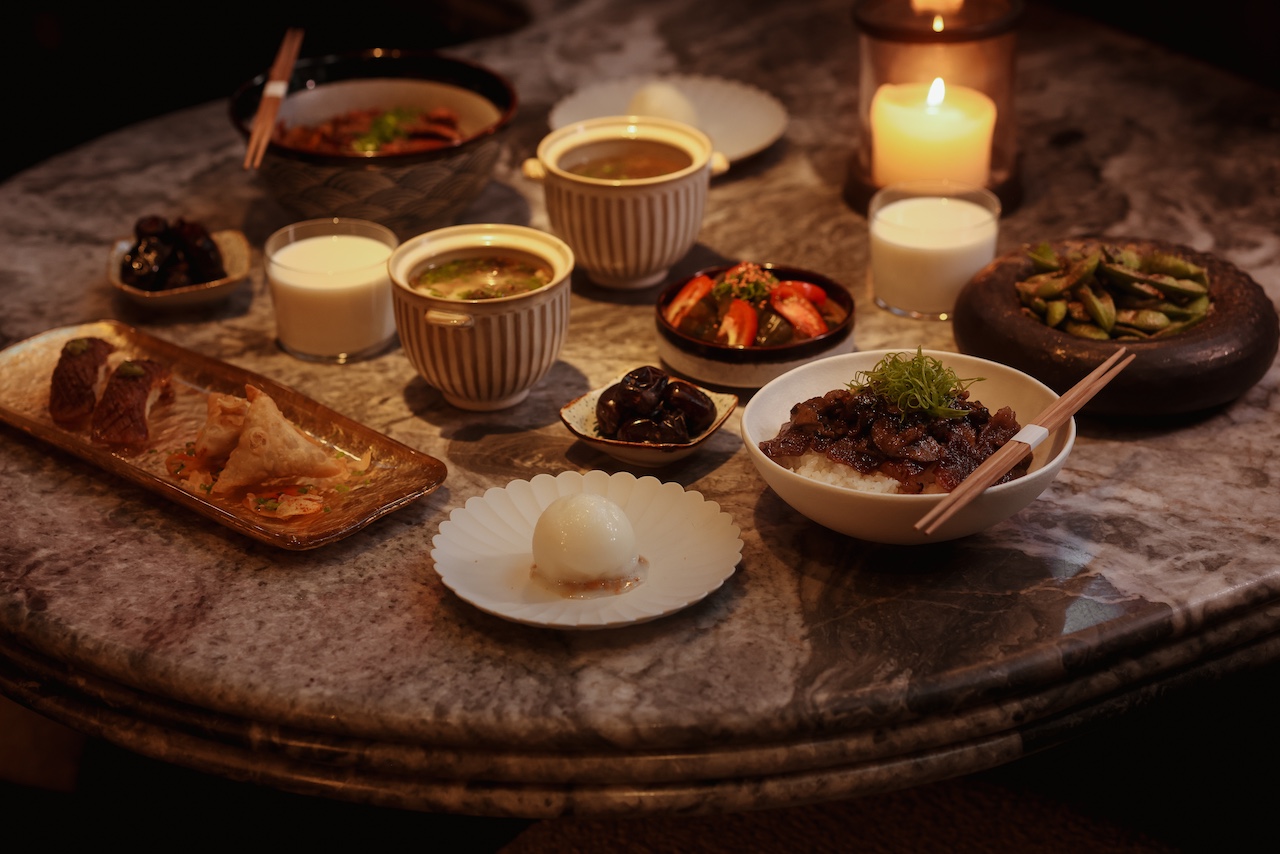
For those looking for something different, culinary walking routes through Old Dubai offer a deeper experience: exploring traditional markets, dining in local eateries, crossing the creek by traditional boat and discovering Emirati cuisine in its most authentic form.
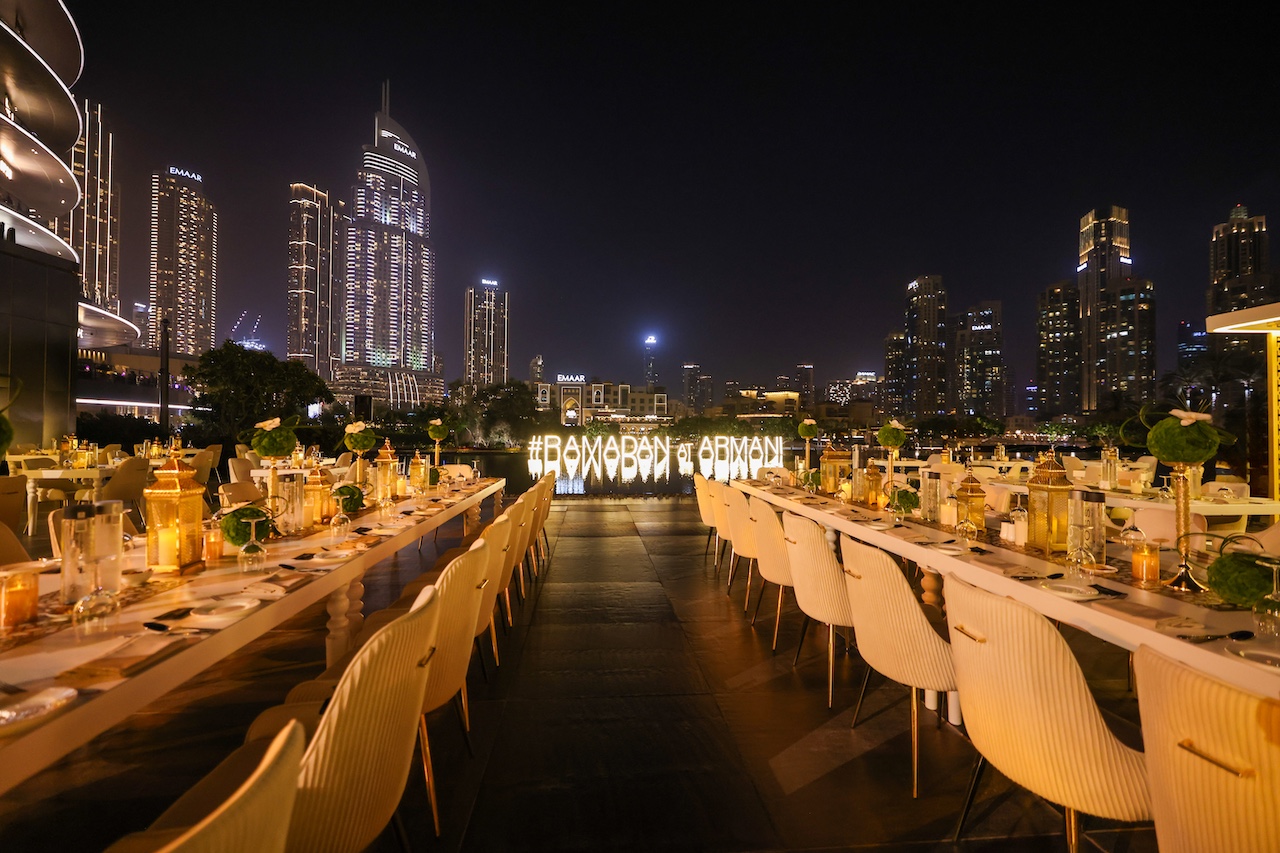
Iftar beyond the city
Those wishing to escape the urban setting can head into the desert for iftar. These evenings combine traditional dishes with live music, dance performances, falcon shows and strolls through stylized night markets. Alongside large-scale experiences, there are also more intimate desert restaurants offering Middle Eastern and North African menus in a calm, refined atmosphere.
Suhoor and Dubai after dark
After iftar, the evening in Dubai is far from over. The city embraces a night-time rhythm, with suhoor becoming an essential part of it. Suhoor is served in gardens, tents, indoor halls and open terraces, maintaining a peaceful and relaxed ambiance.
Some venues offer suhoor as a late tea experience with desserts, light bites, matcha and specialty coffee, while larger groups can pre-order shared signature desserts designed for social evenings.
Festivals, markets and evening walks
Ramadan in Dubai is not only about restaurants. Seasonal markets and festivals appear across the city, turning public spaces into evening hubs with street food, pop-up shops, live music and family-friendly activities.
From February 19 to March 18, 2026, one of the city’s most vibrant districts will host a large street food festival featuring more than 70 restaurants, transforming the area into a lively open-air dining destination.
On February 28, 2026, the Ramadan Night Walk will take place, offering two routes of 3 km and 5 km with a 9:00 pm start. The event is designed for those who prefer a gentle, unhurried pace. A dedicated family zone and relaxation areas will operate alongside the walk.
Discovering history and tradition
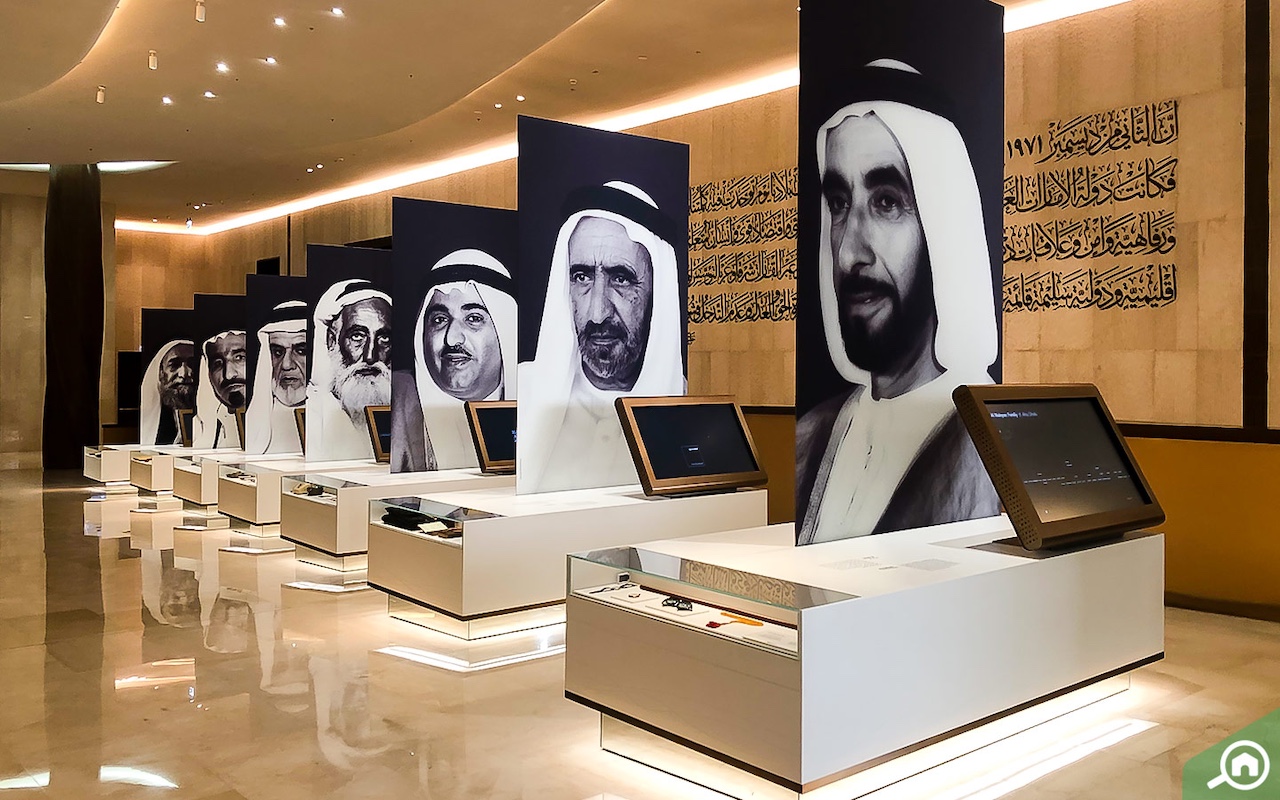
Ramadan is an ideal time to explore Dubai’s historical side. Old districts along the creek, with their wind towers, narrow lanes and restored houses, offer a completely different view of the city. Museums, art galleries and cultural events operate here, while small cafés serve traditional dishes.
Visitors interested in deeper cultural context can attend traditional dinners, guided tours and open discussions at cultural centers. Museums highlighting the country’s history and modern identity, as well as parks dedicated to Quranic themes, are also especially popular during Ramadan.
The cannon at sunset
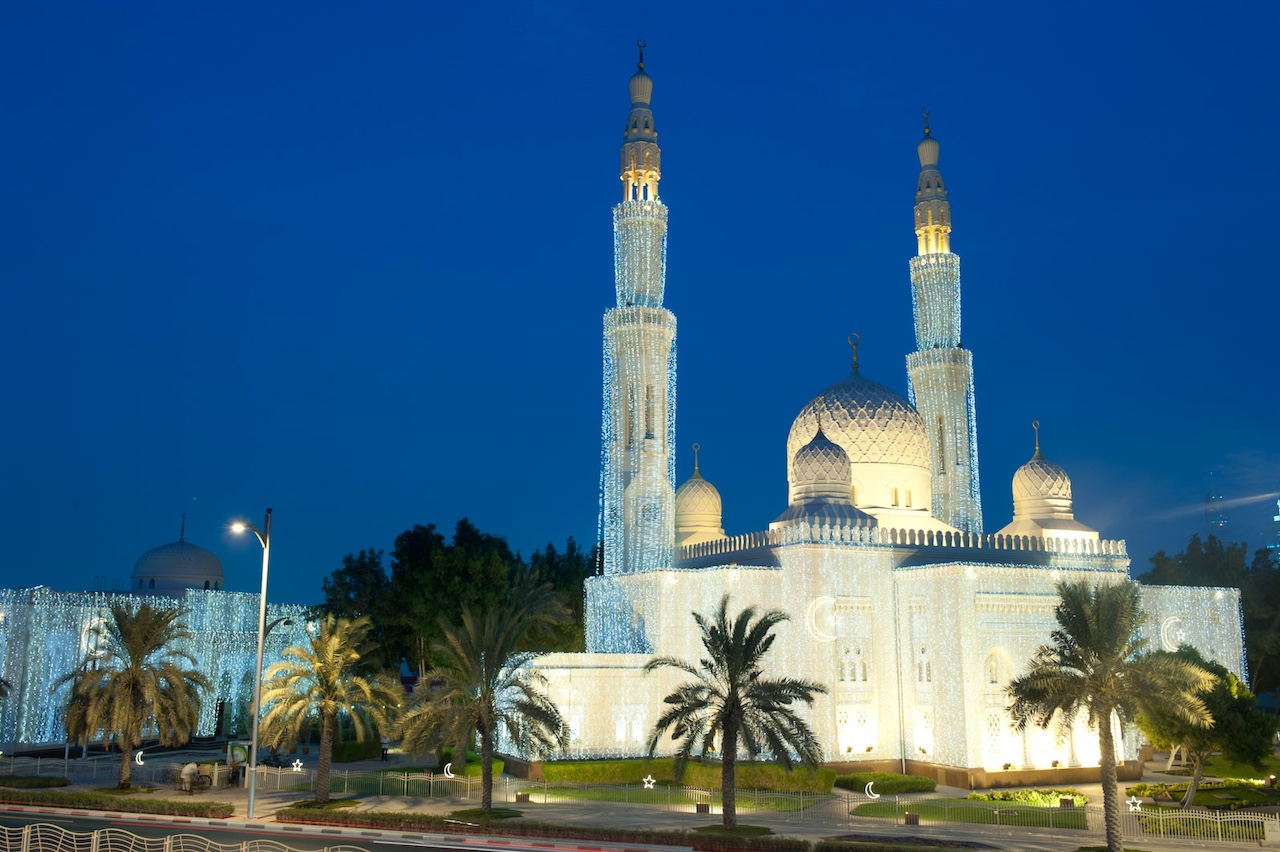
Each evening during Ramadan, a cannon fires across Dubai at sunset, marking the moment of iftar. This historic ritual is heard in many parts of the city. On the first day of Ramadan, the cannon is fired twice to announce the beginning of the holy month. On subsequent days, a single shot is fired exactly at sunset. The tradition returns again during Eid al-Fitr, signaling the end of fasting.
A festive ending
Ramadan concludes with Eid al-Fitr, expected to take place from March 20 to March 22 in 2026. During this time, people greet each other with “Eid Mubarak,” gather with family, give gifts to children and make charitable donations.
The city fills with celebration: concerts, traditional dance performances, family events and special shows take place across public venues. It is a warm, joyful finale to a month that in Dubai is seen not as a period of restriction, but as a time of reflection, connection and shared experiences.
Ramadan in Dubai offers a chance to see the city from a different perspective - quieter by day, deeper in the evening and especially beautiful after sunset.