
Kazakh poetry found a heartfelt voice in the center of Europe as a poetic event marking the 95th anniversary of the birth of Mukagali Makatayev was held at the Kazakh Cultural Center in Brussels. The evening became more than a tribute to a great poet — it turned into a living dialogue between languages, cultures, and generations, DKNews.kz reports.
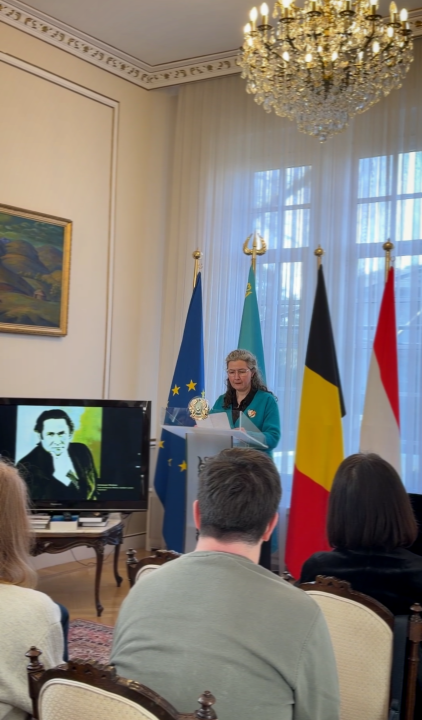
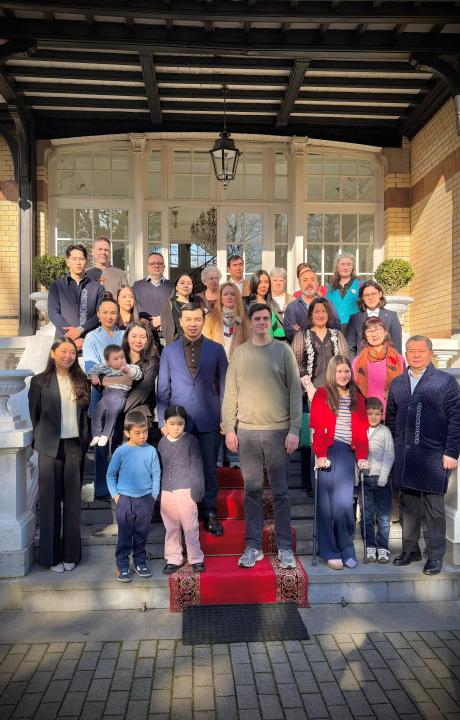
The event was organized in the format of an open poetry class, bringing together children and adults who study the Kazakh language and culture in Belgium. This inclusive format allowed participants of different ages and backgrounds to engage with poetry not as distant literature, but as a shared emotional experience.
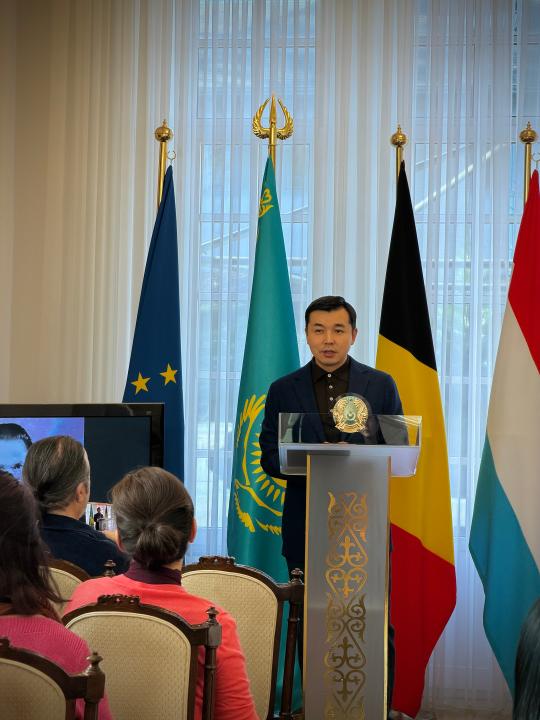
One poet, four languages
During the program, Makatayev’s poems were recited and songs based on his verses were performed. His works sounded in Kazakh, French, English, and Dutch — a powerful illustration of how poetry transcends linguistic boundaries. Even when heard in translation, the imagery, sincerity, and philosophical depth of his verses remained unmistakable.
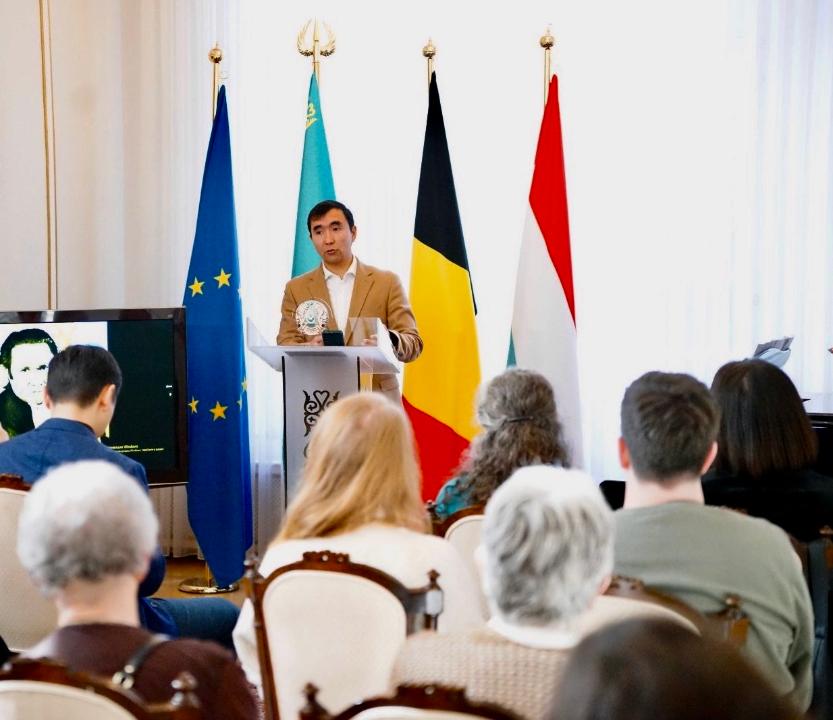
The multilingual performances highlighted the growing international interest in Makatayev’s literary legacy and showed how Kazakh poetry can naturally exist in a global cultural context.
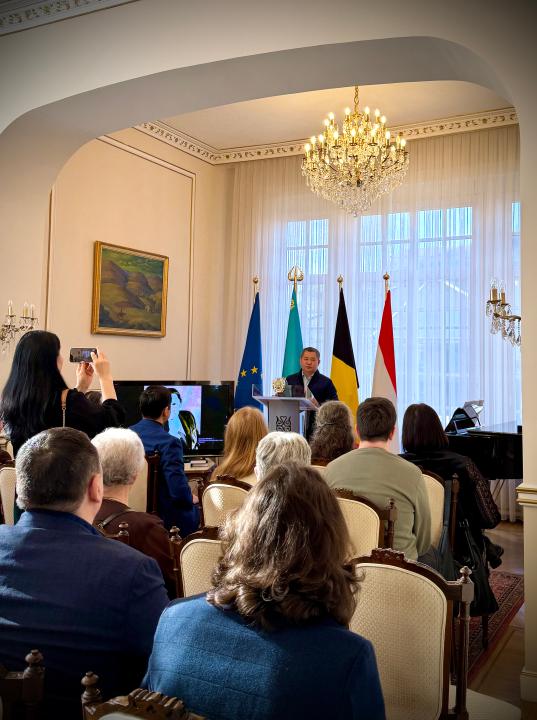
A warm and open conversation
The evening unfolded in a relaxed and informal atmosphere. Participants exchanged reflections on the role of poetry as a tool for cultural dialogue and as a way to pass values from one generation to another. For some, it was a rediscovery of familiar lines; for others, a first encounter with Kazakh poetry that left a lasting impression.
What united everyone was the sense that poetry still has the power to connect people — quietly, sincerely, and beyond borders.
More than a commemorative date
The event formed part of ongoing efforts to promote the Kazakh language and literature in Belgium. It demonstrated that Mukagali Makatayev’s poetic heritage is not confined to history books or national boundaries, but continues to resonate in a multicultural and multilingual environment.
The evening in Brussels offered a simple yet powerful reminder: true poetry does not age, does not lose relevance, and does not need translation to be felt. And Mukagali Makatayev’s voice, even decades later, continues to speak to the world.