
Trade is shifting toward production. Kazakhstan and Uzbekistan aim to reach $10 billion in bilateral trade through industrial cooperation, joint ventures, and more favorable conditions for businesses, DKNews.kz reports.
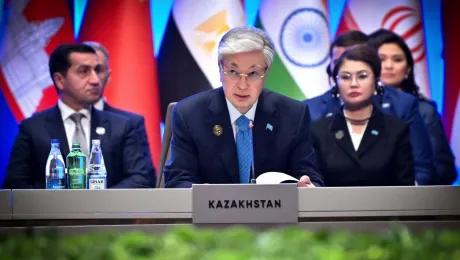
The Kazakhstan–Uzbekistan Business Forum was held in Tashkent, bringing together representatives of more than 110 large and medium-sized private companies from Kazakhstan. The event was part of ongoing efforts to increase bilateral trade between the two countries to $10 billion.

From Traditional Trade to Joint Production
One of the main messages of the forum concerned the future model of trade between Kazakhstan and Uzbekistan.
The next stage of cooperation is expected to focus on deeper industrial collaboration and the joint production of high value-added goods. For businesses, this means moving beyond a simple “buy and sell” model toward closer integration between production facilities in the two countries.
Such an approach requires more than partners and investment. Companies also need access to raw materials, efficient logistics, and predictable conditions when goods cross the border.
These are precisely the areas that the Atameken National Chamber of Entrepreneurs proposed prioritizing.

Atameken Proposes Three Priorities for Business
The first priority is ensuring transparent access to raw materials for enterprises and expanding industrial cooperation.
The second is the digitalization of transport and logistics infrastructure and foreign trade procedures. The fewer processes businesses have to handle manually, the easier it becomes to organize deliveries and build production chains between the two countries.
The third priority is increasing mutual investment, including the launch of joint production facilities and business localization.
These three areas are intended to turn the $10 billion target from a headline figure into concrete projects, supplies, and enterprises.

Tariffs, Raw Materials and Customs Could Be Combined in One Roadmap
The Kazakh side proposed creating a permanent expert working group.
Another initiative is to prepare a joint roadmap for harmonizing tariff, raw material, and customs mechanisms.
For entrepreneurs, these issues can directly affect the economics of a deal. Even when a market and a willing partner have been found, differences in procedures, access to raw materials, or tariff conditions can make a project less viable.
The discussion around the $10 billion target is therefore increasingly shifting from the overall figure to the specific barriers that businesses and government institutions will need to address.

First Memorandum Signed at the Forum
The forum also produced a concrete business outcome.
Uzbek company Glasfit Energy and Kazakhstan Reinforcement and Insulator Plant LLP signed a memorandum of cooperation.
The event concluded with B2B negotiations between entrepreneurs from Kazakhstan and Uzbekistan. Companies were able to seek new partners, discuss joint projects, and establish direct business contacts.
The key question now is how many of these contacts will turn into actual contracts and production projects. The benchmark has already been set at $10 billion in bilateral trade, with increasing emphasis on industrial cooperation, investment, and joint manufacturing.
Earlier, we reported on how Kazakh businesses are preparing to expand their presence in Uzbekistan and what joint projects are being discussed between the two countries: Kazakh Business Moves Into Uzbekistan: What Projects Are Being Prepared.