

KZT 7.2 trillion is in play. Atyrau Region has assembled an investment portfolio of that size, but the more consequential question for Kazakhstan’s industrial policy is how much of this spending will translate into long-term orders for domestic manufacturers, suppliers and contractors, DKNews.kz reports.
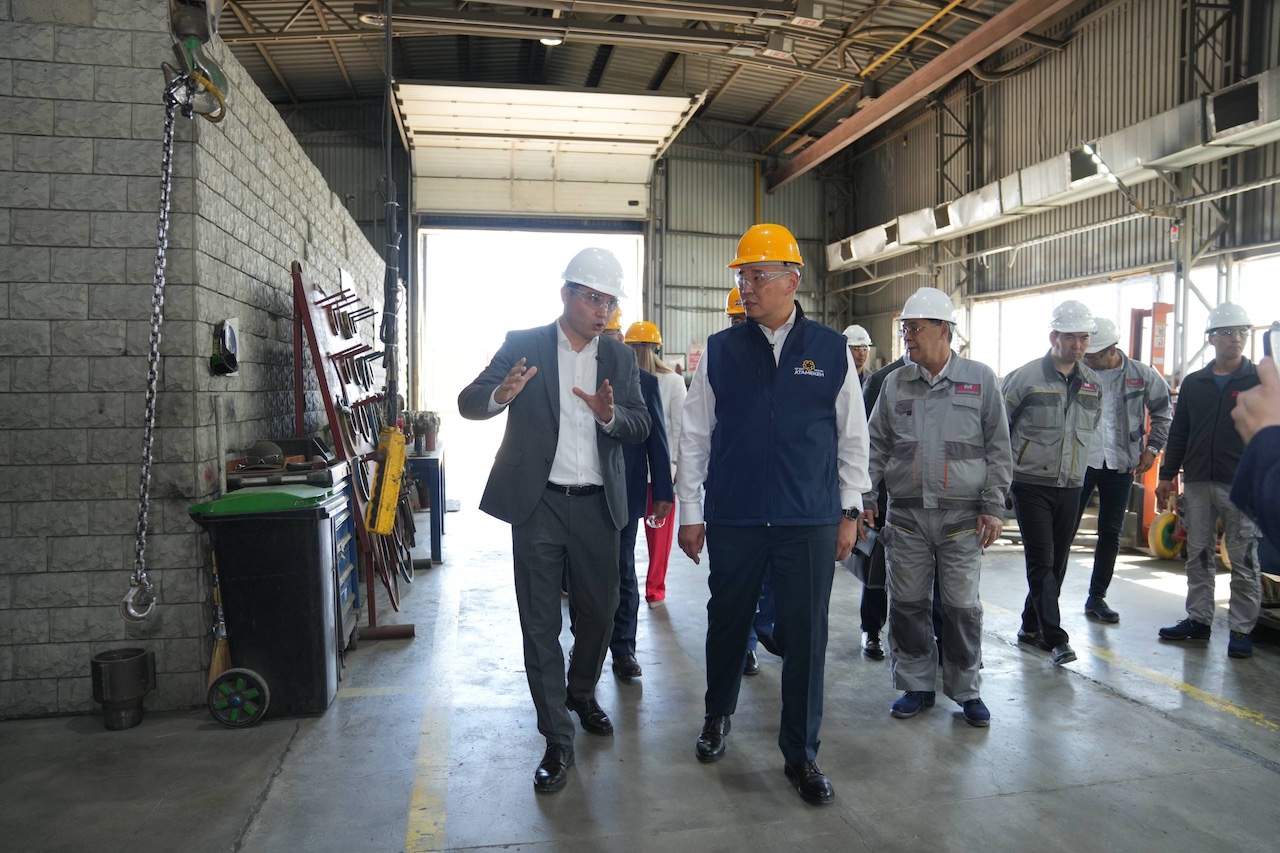
The issue was at the center of a two-day working visit to Atyrau by Kanat Sharlapayev, Chairman of the Presidium of the National Chamber of Entrepreneurs of the Republic of Kazakhstan “Atameken”. In talks with Atyrau Region Akim Bolat Akchulakov, the agenda included local content, access to procurement by major companies, economic diversification and the expansion of processing industries.
For international readers, Atameken is Kazakhstan’s National Chamber of Entrepreneurs, while an akim is the head of a regional or local administration.
60 Projects Worth KZT 7.2 Trillion Are Creating a New Supplier Market
Atyrau Region’s investment portfolio contains 60 projects with a combined value of KZT 7.2 trillion. They are expected to create 8,200 jobs. In 2026 alone, the region plans to implement 14 projects worth KZT 511.6 billion and create 1,941 jobs.
The scale matters well beyond the construction of new industrial facilities. Large projects create demand for equipment, components, engineering services, maintenance, industrial safety products and other goods that can either be sourced locally or purchased from external suppliers.
Atyrau already sits at the heart of Kazakhstan’s oil and gas industrial ecosystem. The challenge highlighted during Sharlapayev’s visit is whether local companies can secure a larger and more permanent role in the supply chains forming around new investment.
Atameken’s position is that participation by Kazakh manufacturers should not end with isolated procurement contracts.
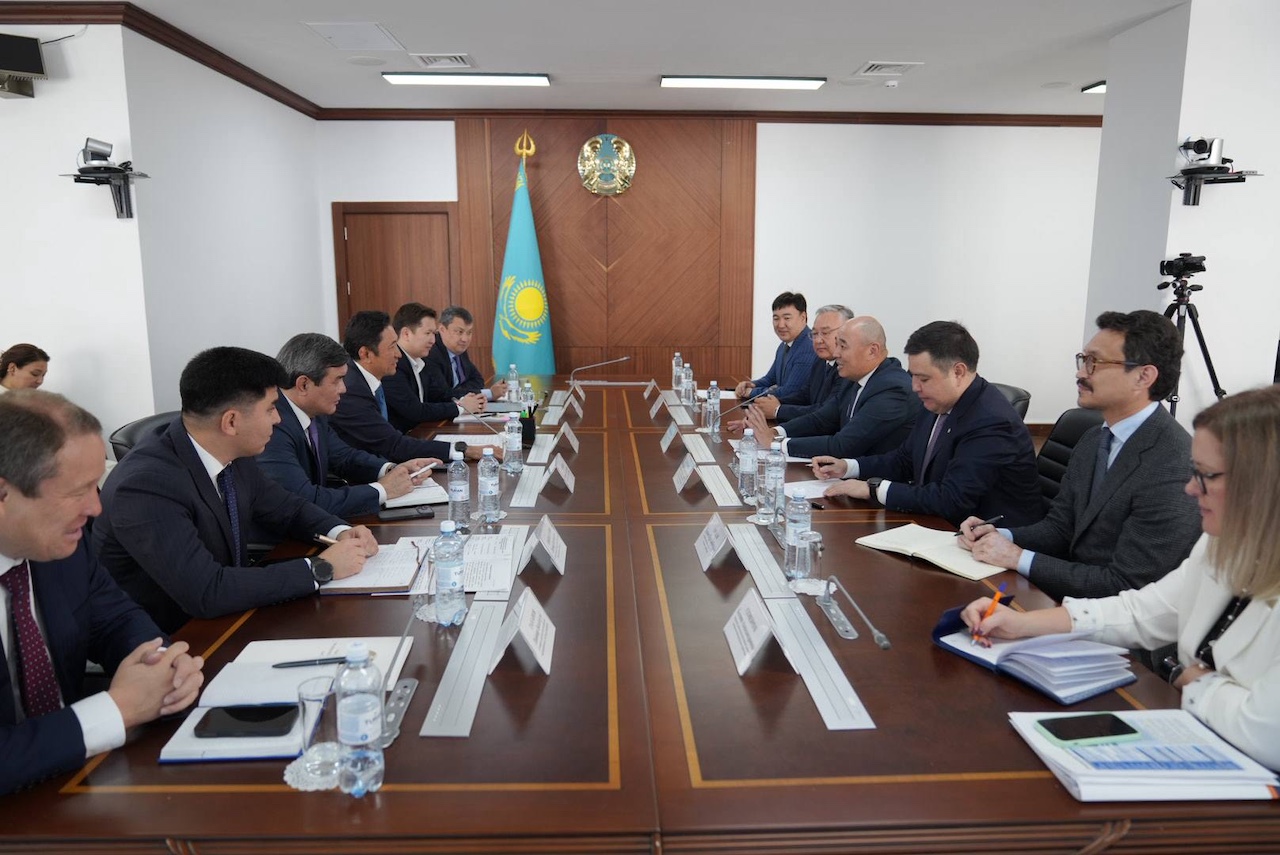
“Our task is to create conditions in which Atyrau companies can not only participate in individual procurement processes, but become permanent suppliers and contractors for major enterprises,” Sharlapayev said.
For a manufacturer, that distinction is fundamental. A one-off contract may keep a production line busy temporarily. A long-term order gives a company greater visibility over future demand, allowing it to plan production, invest in machinery, hire staff and deepen localization.
A KZT 1.2 Billion Investment Still Does Not Guarantee Full Capacity
The obstacles become clearer at the company level.
Medstarexport LLP, a domestic manufacturer of medical syringes, has raised the issue of access to sufficient procurement volumes and a guaranteed market for its products.
Tepliy Dom Atyrau LLP invested KZT 1.2 billion in the production of thermal-insulation expanded polystyrene and sandwich panels. Yet the company is facing underutilized production capacity and infrastructure constraints.
Atyrau Oil Service, which is localizing the production of equipment for the oil and gas industry, has identified the tax burden on imported components as a pressing issue.
These cases expose one of the central difficulties of industrial localization. Building a factory or installing production capacity does not automatically create demand for its output.
A manufacturer can invest heavily and still operate below capacity if it cannot secure sufficient orders. That is why access to procurement and longer-term supply agreements has become central to the discussion in Atyrau.
Six of Ten Business Problems Have Been Resolved
The current discussions are part of a process that began earlier in the year.
At Sharlapayev’s February meeting with Atyrau businesses, entrepreneurs raised ten issues, including procurement, implementation of the new Tax Code and the Register of Kazakh Commodity Producers.
Six have since been resolved, while four remain under consideration.
The register has become particularly relevant for companies seeking access to regulated procurement. Kazakhstan’s Ministry of Industry and Construction says the digital Register of Kazakh Commodity Producers is designed to contain verified information on companies that actually manufacture goods inside Kazakhstan.
From January 1, 2026, inclusion in the register became a key requirement for domestic companies seeking priority access to regulated procurement and targeted state-support measures.
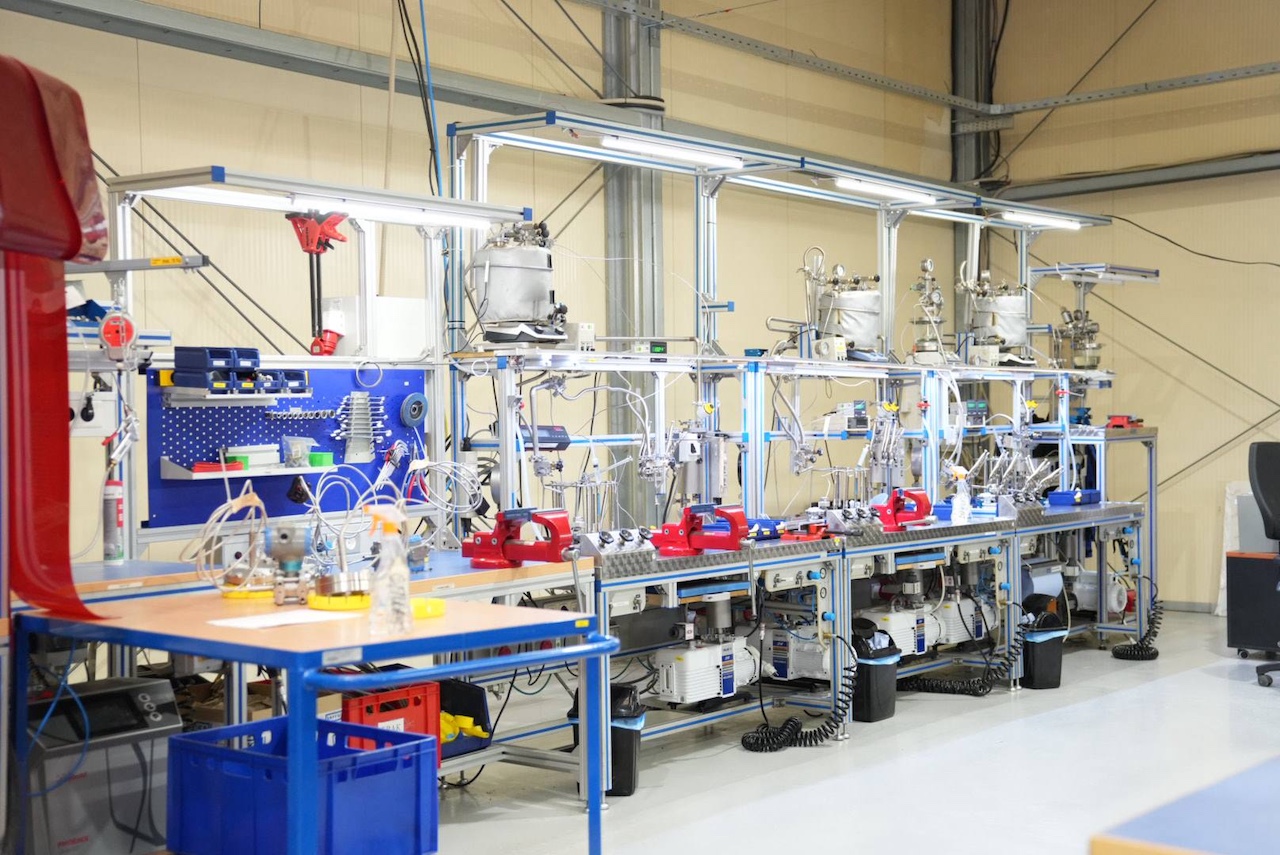
For manufacturers, that adds another layer to the competition for large industrial orders. Companies need not only production capacity, but also verified domestic-producer status and the ability to meet the technical, volume and delivery requirements of major customers.
The barriers identified in Atyrau extend further. Businesses have also pointed to infrastructure, regulatory requirements, taxation, logistics and underutilized production capacity.
“It is important to move from responding to individual problems to systematic work. Together with businesses, we need to identify the barriers holding back development and develop concrete solutions,” Sharlapayev said.
Six Atyrau Companies Show How Far Localization Has Already Gone
Atyrau is not starting its industrial localization effort from scratch.
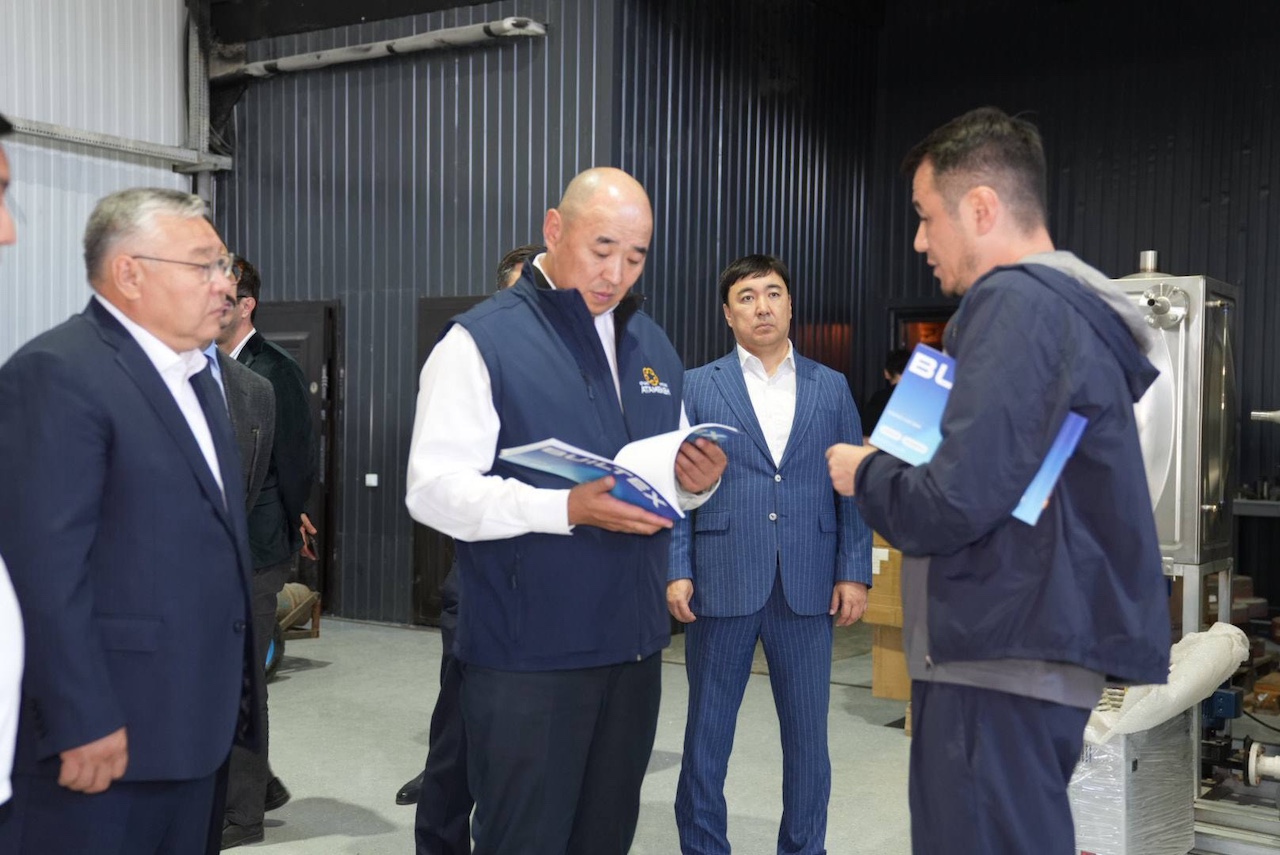
During the visit, Sharlapayev toured six companies whose operations demonstrate the range of industrial expertise already built around the region’s oil and gas sector.
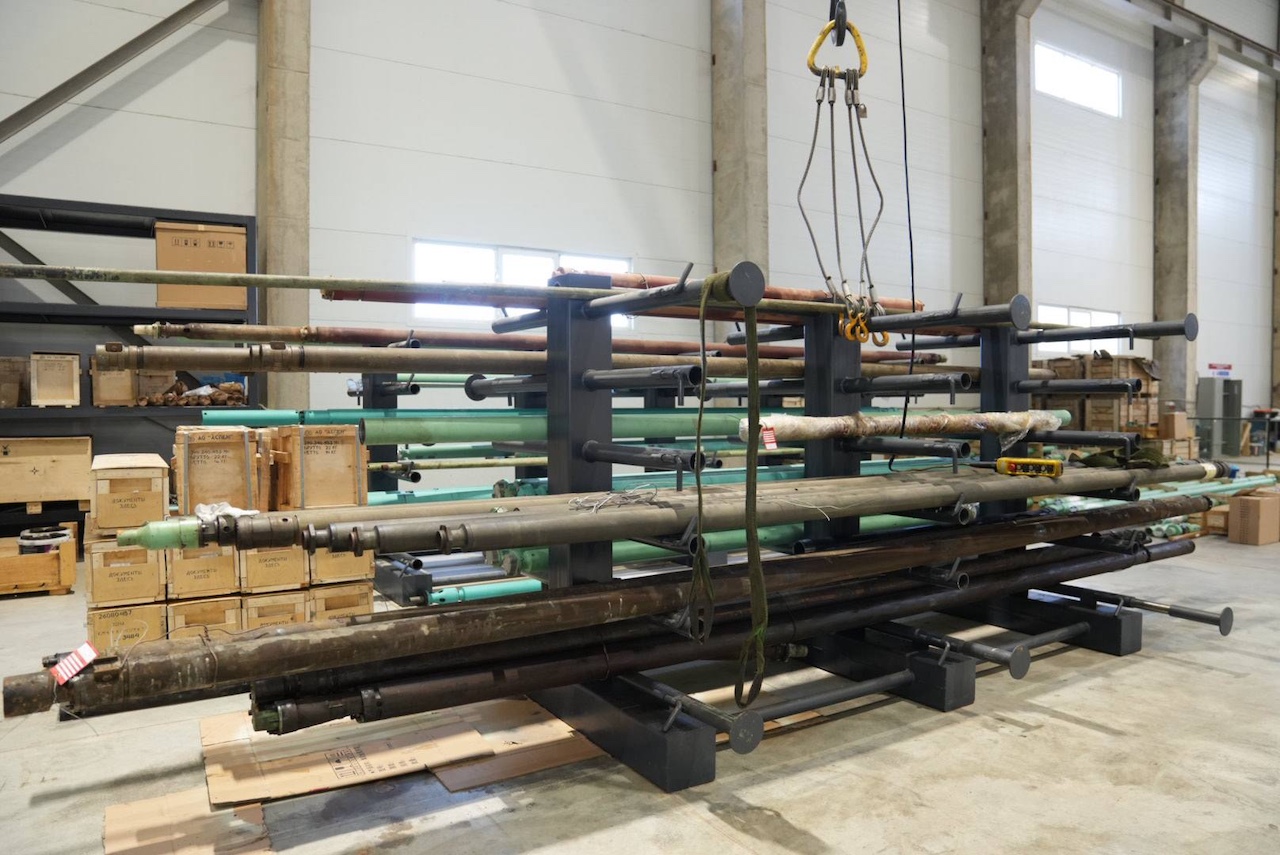
Zhigermunaiservice has operated for 26 years, manufacturing drilling tools and working in reverse engineering and equipment modernization.
The Edil-Oral.kz industrial park combines oilfield equipment manufacturing, repairs and servicing with industry workforce training.
Borkit Safety has developed production of personal protective equipment and created 325 jobs over four years.
Atyrau Oil Service is localizing the production of equipment and components for the oil and gas sector, while WIKA Kazakhstan works in industrial measurement technology, automation and metrological services.
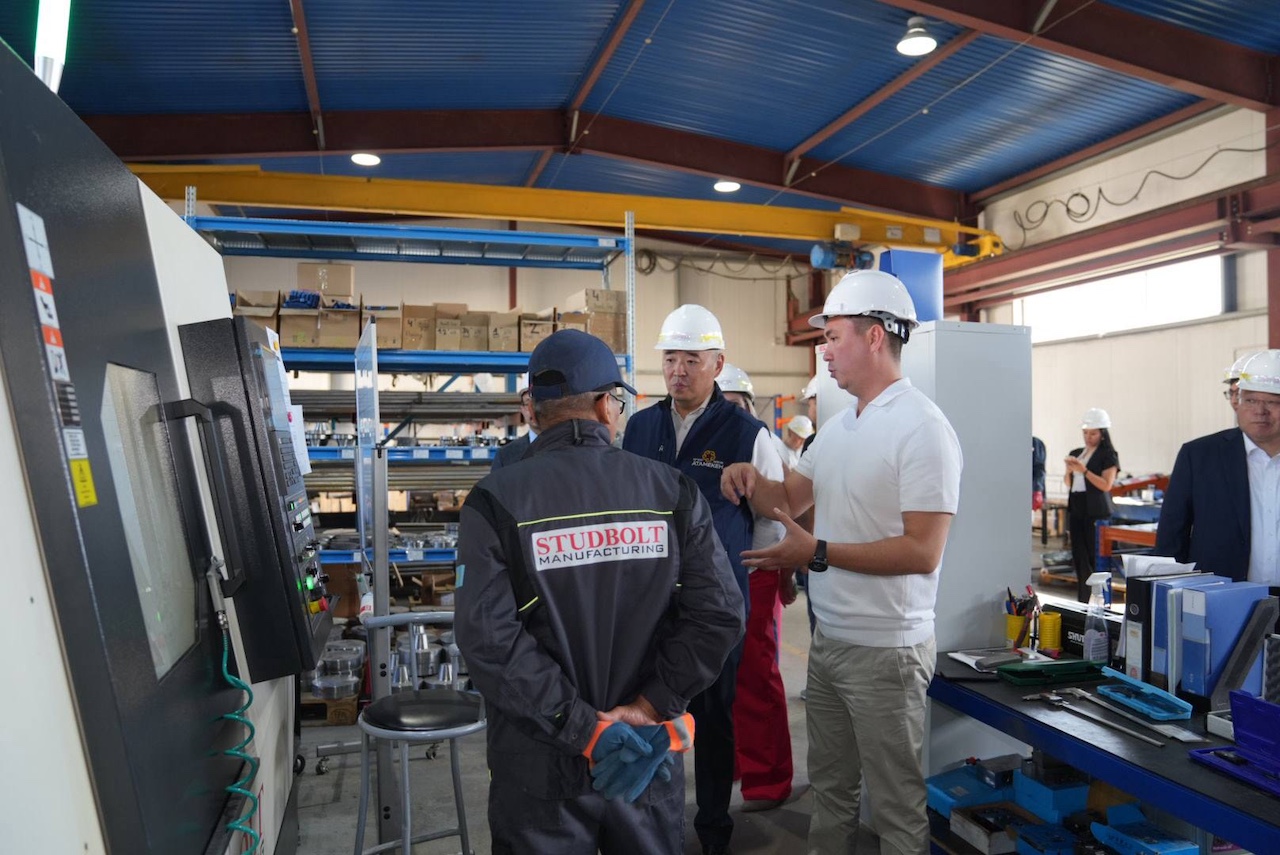
Studbolt Manufacturing produces industrial fasteners and pipeline components. According to the source document, it is one of Kazakhstan’s unique producers of fastening elements manufactured to ASME, British Standard, DIN and GOST standards.
The list illustrates the breadth of the industrial base already present in Atyrau: drilling equipment, oilfield machinery, automation, industrial safety products, measurement technology and engineering components.
The next stage is less about proving that domestic production exists and more about connecting those capabilities to major investment projects and keeping local firms inside supply chains over the long term.
That is also where the regional investment story becomes relevant to foreign companies. Atyrau’s project pipeline represents a market for technology, equipment and services, but Kazakhstan is simultaneously seeking to deepen domestic manufacturing and increase the role of local suppliers.
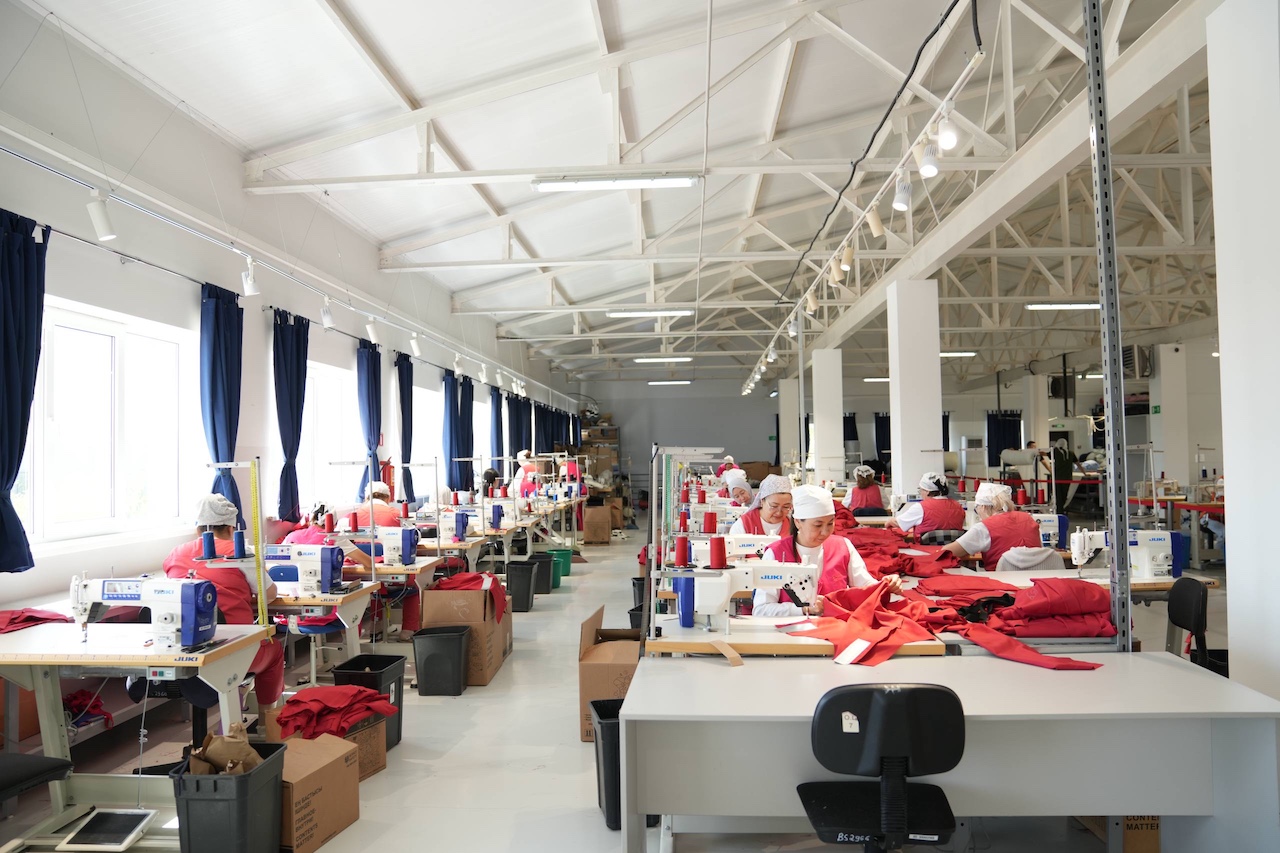
Official investment authorities separately reported in 2026 that Atyrau had formed a pool of 60 investment projects worth more than KZT 7 trillion, underlining the scale of the industrial pipeline in the region.
More Than 800 Entrepreneurs Joined BusinessGO in Six Weeks
The strategy is not limited to large oil and gas contractors.
Entrepreneurs in Atyrau Region’s districts regularly raise concerns about access to financing, collateral requirements, engineering infrastructure and land issues.
One of Atameken’s tools for addressing regional entrepreneurship is the “Isker Aimaq” project, which is intended to develop business potential outside the largest urban and industrial centers.
Another is BusinessGO, a digital ecosystem combining online cash-register services, fiscal data services, inventory management, marketing, loyalty programs, analytics and other business tools.
According to the source document, more than 800 entrepreneurs joined BusinessGO during its first month and a half.
Atameken officially launched BusinessGO as a unified digital ecosystem for Kazakhstan’s small and medium-sized businesses on July 2, 2026. The platform was designed to reduce the need for entrepreneurs to operate several separate systems for sales, accounting and other day-to-day functions.
For businesses outside Kazakhstan’s largest cities, the practical value is access to the same digital management tools regardless of location or company size.
The Bigger Question Is Where the Investment Spending Lands
Atyrau now has two elements that do not automatically connect: a multitrillion-tenge investment pipeline and a domestic industrial base capable of supplying parts of it.
Whether those two elements come together will depend heavily on procurement access, long-term contracts, infrastructure and the ability of local manufacturers to meet the requirements of large industrial customers.
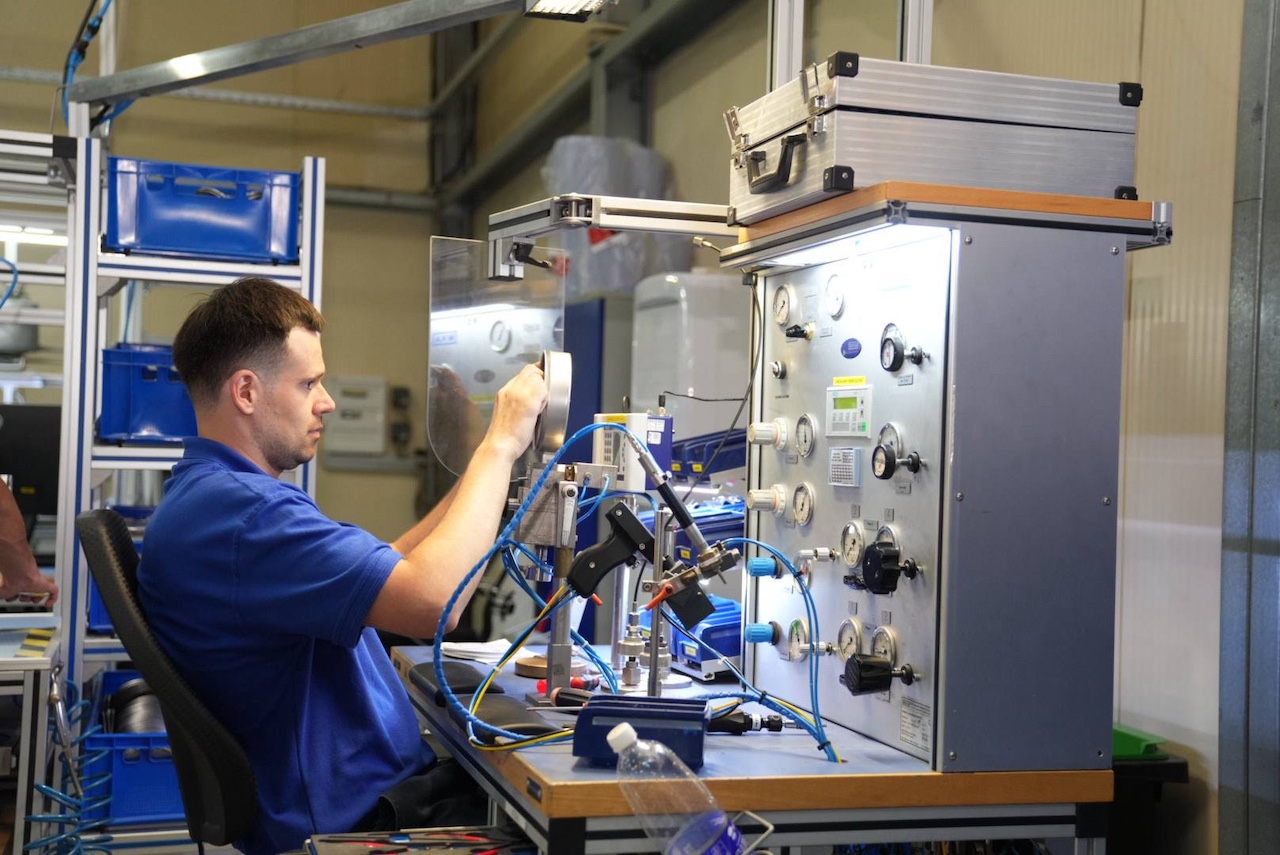
If Atyrau companies become permanent suppliers rather than occasional contractors, the economic effect of the region’s KZT 7.2 trillion portfolio would extend beyond the value of new projects themselves. It could also appear in higher capacity utilization at existing factories, additional localization and new jobs.
“Today, the strategic task is to ensure that Atyrau’s economic and investment potential is transformed to a greater extent into new opportunities for local businesses, new industries and jobs, as well as higher household incomes,” Sharlapayev said.
For broader context on Kazakhstan’s drive to increase procurement from domestic industry, DKNews.kz previously reported on Samruk-Kazyna’s purchases from Kazakh manufacturers and the growing focus on local content.