

Atyrau is building a major rail industry cluster. Its infrastructure can accommodate up to 1,500 railcars at a time and brings together manufacturing, repairs, testing and servicing of specialized tank cars in one industrial ecosystem, DKNews.kz reports.
Kanat Sharlapayev, Chairman of the Presidium of Kazakhstan’s Atameken National Chamber of Entrepreneurs, reviewed the project during a working visit to Atyrau Region in western Kazakhstan. He visited the Atyrau Railcar Manufacturing Plant, located at the Makhambet industrial complex operated by the TEXOL Group.
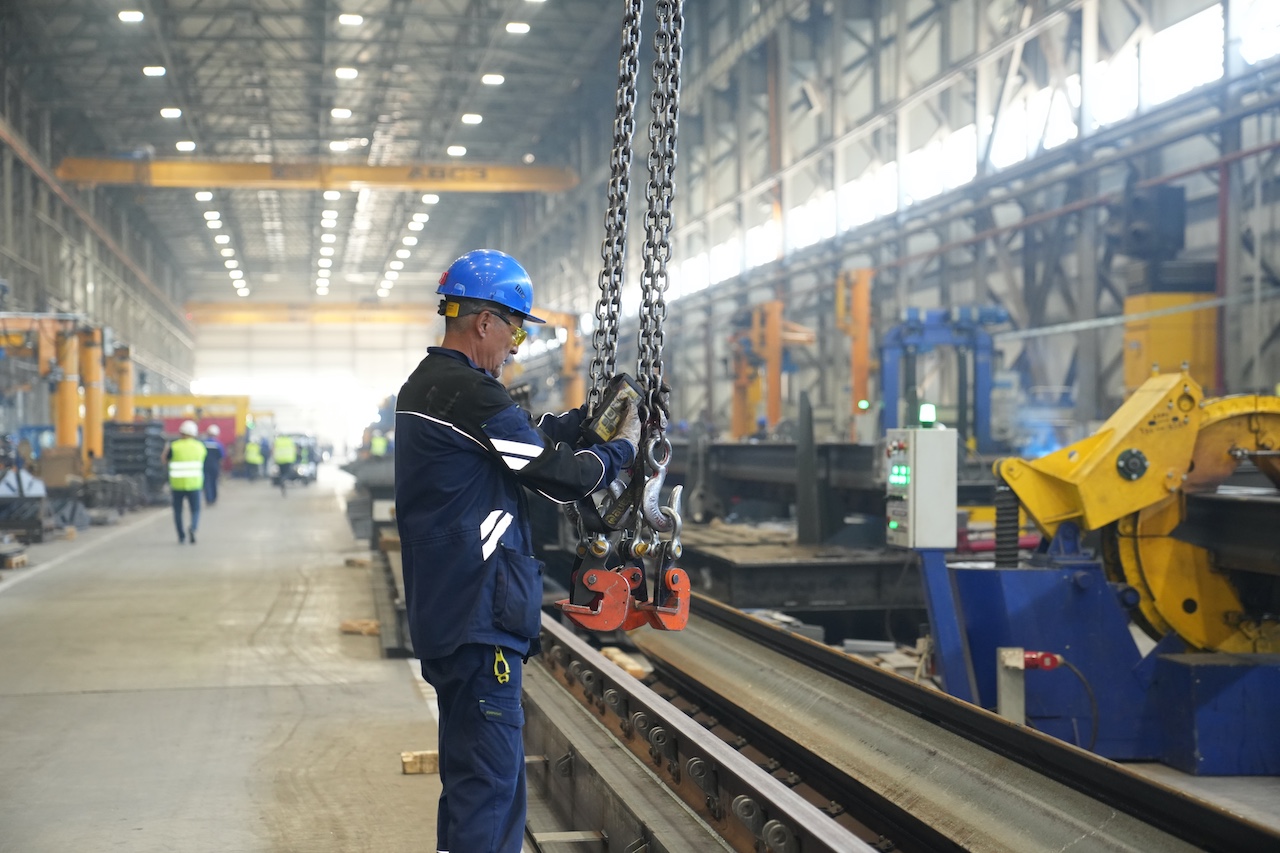
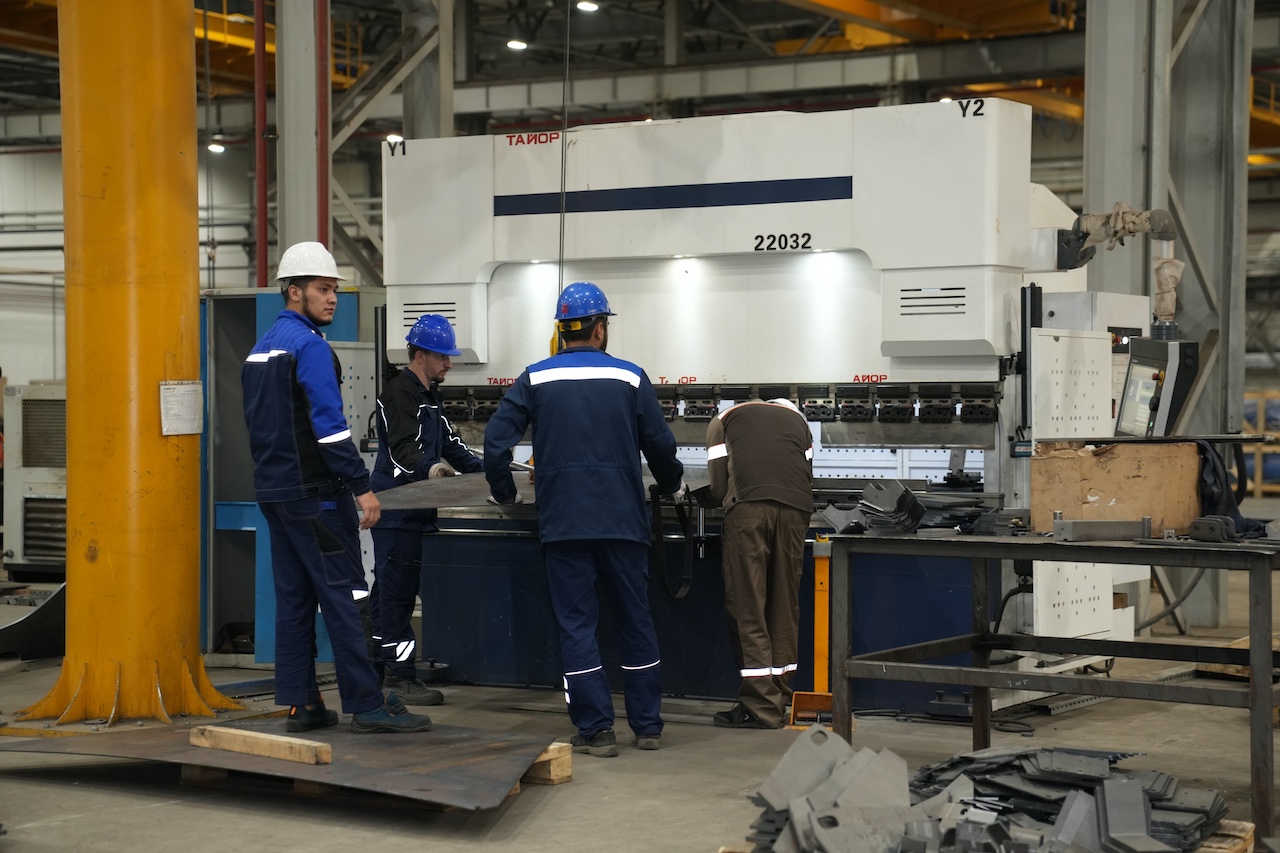
Founded in 2022, the plant now employs more than 600 skilled workers. Yet the project’s significance extends beyond a single factory: an integrated railway manufacturing and service network is taking shape around it.
25 kilometres of tracks can hold 1,500 railcars
One of the cluster’s most striking features is its physical scale.
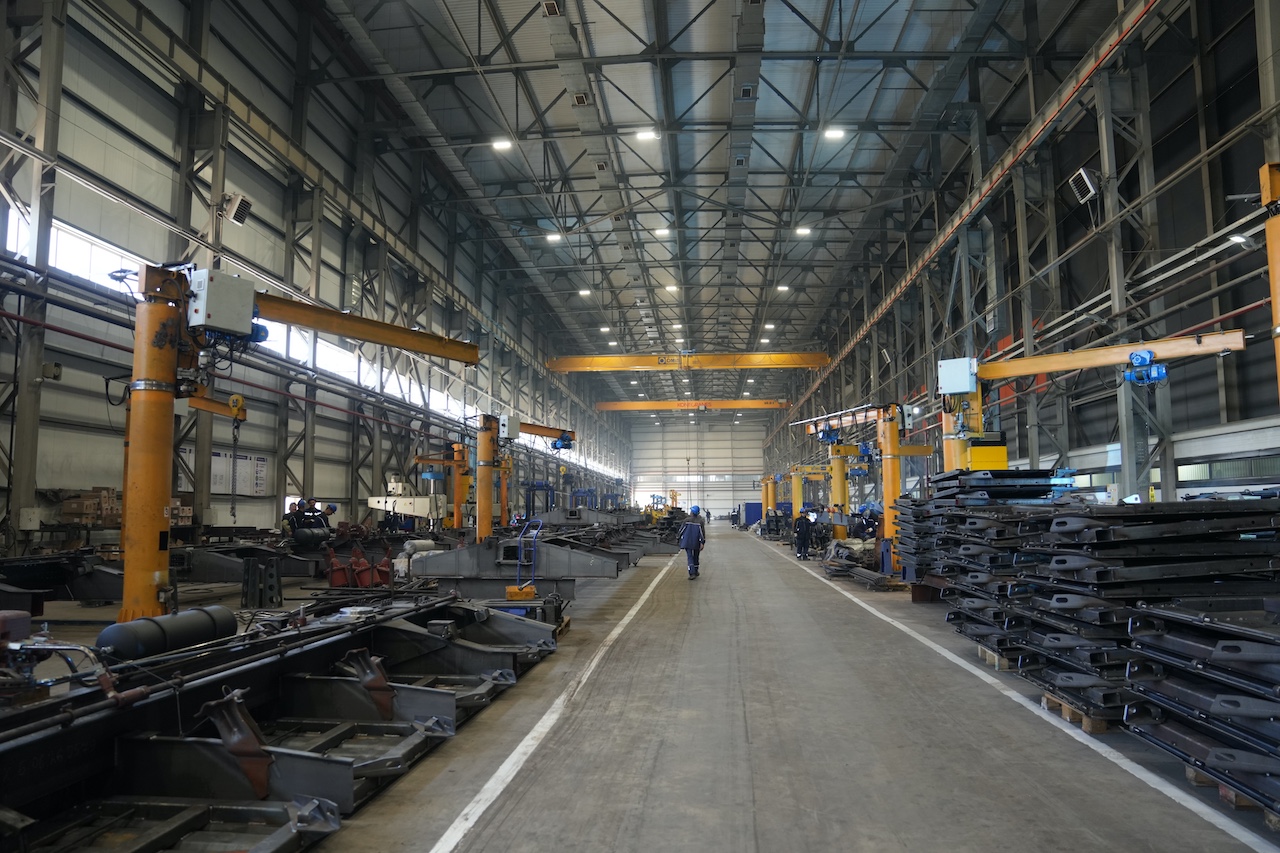
The Makhambet complex includes repair and testing facilities for freight cars and gas tank cars, a wheelset workshop, as well as painting and washing facilities.
Its storage and parking tracks stretch for a total of 25 kilometres and can accommodate as many as 1,500 units of rolling stock simultaneously.
The site also includes liquefied petroleum gas, or LPG, storage facilities with a combined capacity of 6,000 cubic metres.
TEXOL’s description of the Makhambet complex also identifies the wheelset workshop, railcar component production facilities and the Ak-Zhaiyk-7 repair depot as parts of the broader industrial system.
For railway operators and industrial companies, concentrating these facilities in one location has a practical advantage: several stages of maintenance, inspection and repair can be carried out within the same regional production network rather than being dispersed across separate sites.
Kazakhstan’s largest gas tank repair facility is in Kulsary
The cluster extends beyond the city of Atyrau.
It includes RIP-Gaz LLP in Kulsary, an oil-producing city roughly 200 kilometres southeast of Atyrau. According to the project materials, the company operates Kazakhstan’s largest repair and testing facility for gas tank cars.
The production chain also includes the foundry operations of Texol Steel Technology LLP and Ak-Zhaiyk-7 LLP, described as one of the largest railcar repair depots in western Kazakhstan.
TEXOL has previously outlined plans for Texol Steel Technology as part of the Atyrau industrial cluster, with production focused on localizing steel components used in freight railcars.
The result is a regional chain connecting railcar manufacturing, component production, repairs, testing and servicing — sectors that have traditionally depended heavily on geographically dispersed industrial capacity.
Local production is moving deeper into the supply chain
The cluster’s localization effort expanded further in 2026.
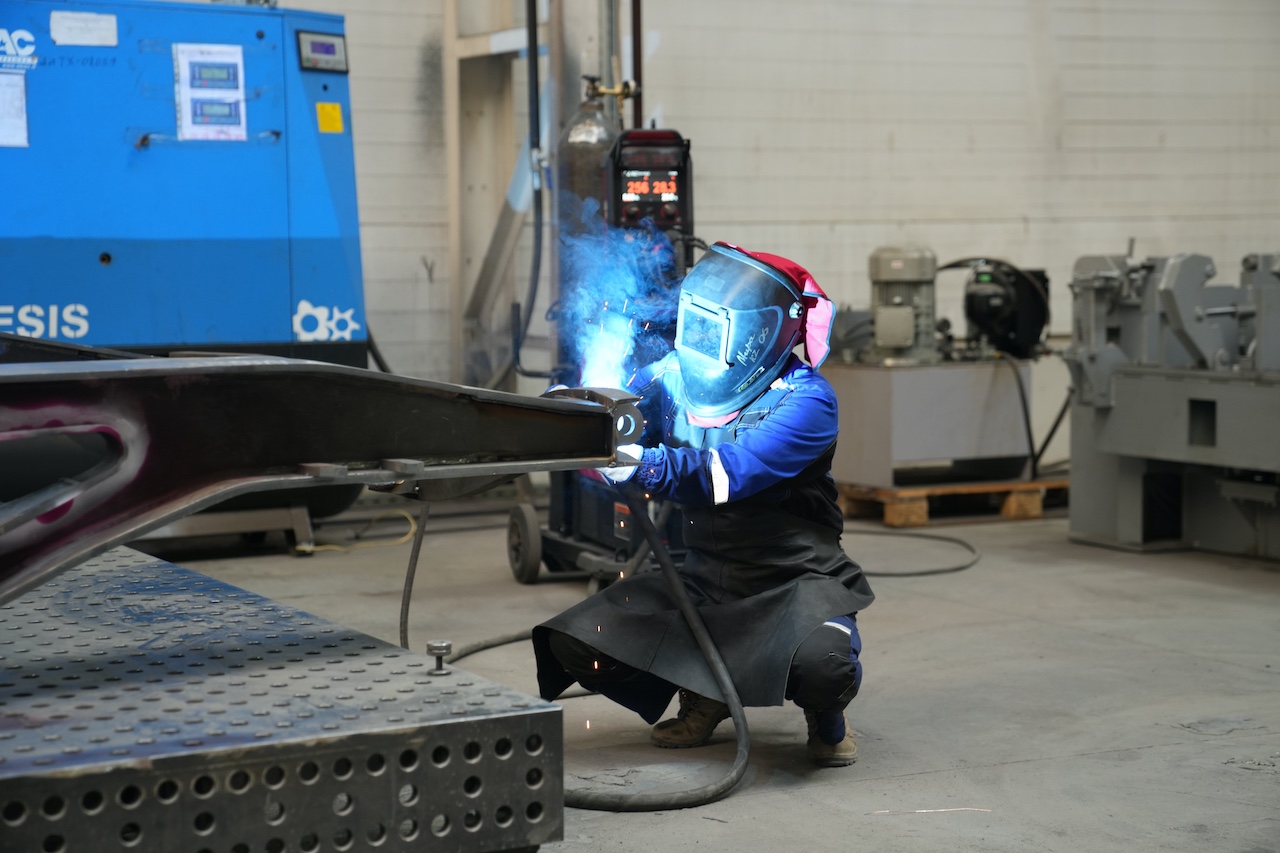
On March 5, the Atyrau wheelset workshop was included in Kazakhstan’s register of domestic producers. According to TEXOL, the facility manufactures wheelsets for freight railcars and operates as part of the Makhambet service cluster.
Earlier, on February 16, the Atyrau Railcar Manufacturing Plant was also registered as a Kazakh producer of the 12-6785 universal gondola car.
These developments show that the Atyrau cluster is moving beyond maintenance and servicing. Manufacturing both finished freight cars and key components increases the share of the railway supply chain that can be handled domestically.
For Kazakhstan, that is particularly relevant as the country seeks to expand local industrial production while maintaining a rail network that plays a central role in domestic freight movement and Eurasian transit.
More than 600 people already work at the plant
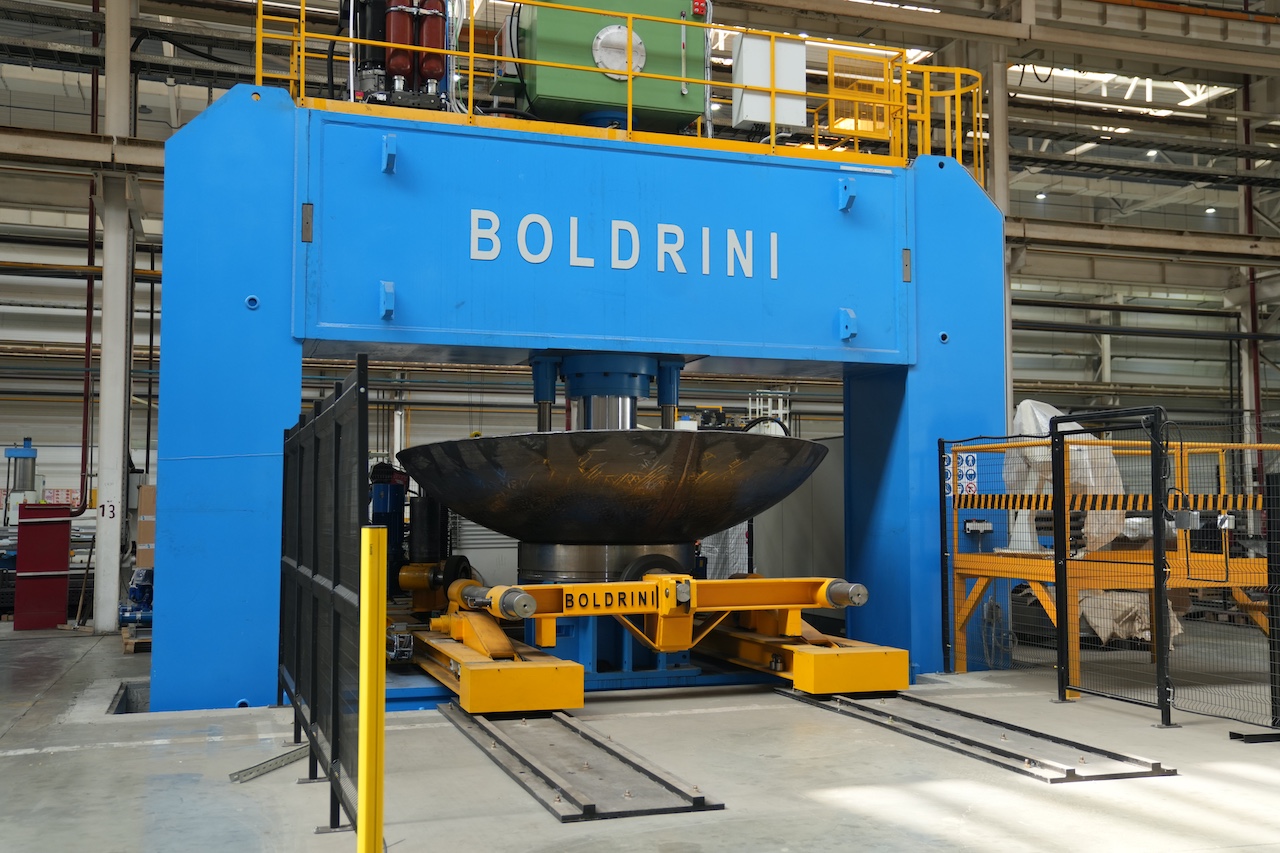
The Atyrau Railcar Manufacturing Plant employs more than 600 highly skilled specialists.
As the surrounding cluster grows, railcar production, metalworking, repairs and specialized servicing are becoming increasingly interconnected within the region.
That matters for Atyrau, which is internationally known primarily as the centre of Kazakhstan’s oil and gas industry. The emergence of a large railway engineering base gives the region another industrial specialization linked directly to the needs of freight transport and the energy sector.
Gas and petroleum cargoes require specialized rolling stock, regular inspections and dedicated repair infrastructure. Locating these capabilities in western Kazakhstan places them closer to some of the country’s largest hydrocarbon-producing areas.
Mobile unit can service tank cars in the field
Industrial and transport safety is another part of the cluster’s development.
TEXOL operates its Safety System Transportation Program, or SSTP, and has introduced a Mobile Emergency Response Module designed to service tank cars under field conditions.
The mobile unit appears alongside the Atyrau railcar plant and other facilities in TEXOL’s description of its railway and service infrastructure, which also includes RIP-Gaz repair and testing operations, the wheelset workshop, tank-car washing facilities and LPG storage infrastructure.
For a cluster working with specialized gas tank cars, this capability has a clear operational purpose: maintenance and emergency response are not limited to fixed workshop facilities.
Atyrau is becoming part of Kazakhstan’s larger rail industry push
The Atyrau project is developing as Kazakhstan expands its domestic railway engineering sector.
We previously reported that Kazakhstan’s railway engineering output reached 734 billion tenge. According to those figures, around 60 enterprises operate in the sector, while railway engineering accounts for about 13% of the country’s total machine-building industry.
Against that backdrop, the Atyrau cluster is emerging as a major western hub within Kazakhstan’s railway manufacturing map.
Its scale is captured by two numbers: 25 kilometres of storage tracks and capacity for up to 1,500 railcars at once.